
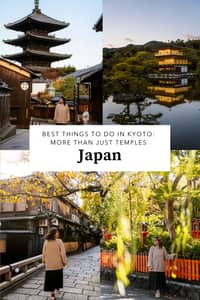
There are so many things to do in Kyoto, but it's also crowded, touristy, and sometimes overwhelming. The key is picking your spots carefully, timing your visits right, and accepting that some places will be packed no matter what you do. This guide breaks down the must-sees, the hidden gems, and how to experience Kyoto without losing your mind in the crowds.
Key Tips For Visiting Kyoto, Japan
- How Long To Stay - I would suggest 3 to 5 nights. There are many day trips from Kyoto, so it's a great place to base yourself for a while.
- Don't Try to Hit Every Temple - There are over 2,000 temples in Kyoto. Don't burn yourself out trying to see them all. Pick 2 to 3 a day, max and enjoy them slowly.
- Public Transport is Less Intuitive - You'll use a mix of buses, local trains, and walking. It's not as seamless as Tokyo's system, but it works. Just give yourself extra time.
- Try Kaiseki Dinner - If you're into fine dining or curious about traditional meals, try a kaiseki dinner. It's multi-course, seasonal, and Kyoto is famous for it. Expect to pay a premium, but it's a special experience.
- Respect the Geishas - If you see a geisha in Gion, don't chase them, block their path, or shove your camera in their face. They're working professionals on their way to appointments. Be respectful, take your photo from a distance, and let them pass.
- Stay Connected - Google Maps and Google Translate come in very handy. Make sure to download what you need ahead of time, or grab an e-SIM to make your life easier.
)
Location Map
All locations mentioned in this blog are pinned here so you can visualize your trip!Where to Stay (Before It’s Fully Booked)
Best Things to Do in Kyoto
1. Visit Fushimi Inari Shrine


The iconic red torii gates that climb up the mountain. This is one of Kyoto's most photographed spots, and for good reason. It's stunning with thousands of vermillion gates creating tunnels that wind up the mountain.
The Crowd Situation
Get there early. Aim for before 8 AM if you want fewer crowds. We went at peak hours in the afternoon, and there was a massive crowd at the start of the hike. But as you climb, the crowd thins out significantly. By the time you're halfway up, it becomes a peaceful walk, and you'll get short windows where no one is around if you want to grab some photos.
The Hike
You can hike all the way to the top in about 2 hours, or just go partway for the view and vibe. The full hike is worth it if you have time and energy. The views from the top are great, and there are hidden gardens and temples the whole way up.
Pro Tips:
- Go early or go late (after 4 PM) to avoid peak crowds
- Wear comfortable shoes. It's all uphill.
- Bring water. There are vending machines partway up, but not at every turn
Vibe - Iconic, crowded at the bottom, peaceful at the top. A place that lives up to the hype.
2. Take Photos With Hōkan-ji Temple (Yasaka Pagoda)

If you’re chasing that classic Kyoto look with narrow stone lanes, the wooden machiya houses, and the five-story pagoda rising perfectly above the rooftops, this is the spot. Yasaka Pagoda sits right between Ninenzaka and Sannenzaka, and the streets around it are hands-down some of the most photogenic in the city.
Where To Shoot
The most common angle you’ll see of the pagoda is shot from Sannen-Zaka street, which is above the temple.
Alternatively, you can look up towards the pagoda from Yasaka-dori street.
When To Visit
Early morning (arrive before sunrise)
If you want clean shots with minimal crowds, it's going to be an early morning. The light is soft, the shops are closed, and you get that peaceful, timeless vibe Kyoto is known for. But you will almost certainly also get a lineup of photographers with their tripods set up at the best vantage points, even before the sun comes up.
Golden hour
If you're not worried about crowds, sunset is busy, but worth it. The pagoda glows, and the warm light bounces beautifully off the wooden buildings.
Tips for Shooting With Fewer People
- Step off the main road into the side alleys. Just 10 meters off the path, you’ll often get a full minute or two with an empty frame.
- Wait for natural breaks in tour groups; the flow comes in waves.
- For portraits, use your subject to block stragglers behind them.
- Avoid mid-day unless you’re purposely shooting busy street scenes.
Quick Notes
- The pagoda area is residential, so be respectful and keep noise low and avoid blocking doorways.
- Drones are a no-go here.
- If it's raining, go anyway. Wet stones, reflections, and lanterns photograph really well.
After you get your pics, take your time wandering. Pop into a matcha shop, browse the handmade ceramics, try a yatsuhashi sweet, and let yourself get a little lost in the side alleys. Some of the quietest, prettiest corners are just off the main drag.
3. Wander Pontochō Alley (Pontocho District)


This is a narrow, lantern-lit alley running along the Kamogawa River. It’s one of Kyoto’s most atmospheric food streets, with tiny bars, hidden izakayas, teahouses, and riverfront dining decks in summer. It’s touristy and has a local/ lived-in vibe at the same time, which is rare in Kyoto. Walk it once at sunset and once after dark; the vibe changes completely.
What to Expect
A long, skinny alley packed with restaurants, bars, sake spots, and little wooden buildings glowing with lantern light. It feels like a movie set, but it’s real.
Best Time to Visit
Head over at sunset or once it's already dark. The lanterns and the buzz of the dinner rush create the iconic atmosphere.
Vibe - Romantic, cozy, a little chaotic, and one of the best nighttime strolls in the city.
4. Wander the Gion Neighbourhood


Gion is Kyoto's most atmospheric neighbourhood. Wooden machiya houses, cobblestone streets, and lanterns glowing at dusk. This is the iconic Kyoto vibe everyone's chasing.
Take a wander around during sunset when the lanterns start to glow. If you're lucky, you might spot a geisha or maiko (apprentice geisha) gliding past in full traditional dress. It's touristy, yes, but it's still magical.
Once it's dark, grab tea, a cocktail, or a meal. Gion has tons of traditional tea houses and modern restaurants tucked into old buildings. If you want more structure or a social element to your visit, consider booking a walking tour or indulging in an organized food tour.
Pro Tip: If you see a geisha, don't chase them or block their path for photos. They're on their way to work. Be respectful, take your photo from a distance, and let them pass.
Vibe: Romantic, atmospheric, touristy but still special. Best experienced at dusk.
5. Visit Kinkaku-ji (Golden Pavilion)


Kinkaku-ji is a literal golden temple floating on a quiet pond. It's one of Kyoto's most iconic sights, and it's exactly as stunning as the photos suggest.
But it's also packed. Coach buses, school trips, soccer teams (seriously, we saw one), and tourists from every corner of the globe. It's one of the most impressive temples we saw in Japan, but it's not a place to linger for long because of the crowds.
What to Expect
You'll follow a set path around the temple grounds. There are designated photo spots, and everyone stops at the same ones. It's a bit of a conveyor belt experience, but the temple itself is breathtaking.
Best Time to Visit
We visited close to sunset, and it was incredible seeing the golden light hit the golden temple. The beauty continued into dusk.
Vibe - Stunning, crowded, and postcard-perfect. Worth seeing, but don't expect tranquillity.
6. Sunset At Kiyomizu-dera & Higashiyama Stroll

This cliffside temple has panoramic views over Kyoto, and the wooden terrace jutting out from the hillside is one of the most photographed spots in the city.
After visiting the temple, wander down Sannenzaka and Ninenzaka: two preserved streets lined with shops, tea houses, and snack stalls. It's touristy, but it's also charming. You'll see people dressed in rental kimonos wandering around (you can rent one yourself if you're into it), and the streets have that old Kyoto feel, even with all the tourist infrastructure.
Pro Tip - Visit in the late afternoon so you can catch the temple in daylight, stay for sunset, and then wander the streets at dusk when the lanterns come on.
Vibe - Cultural, scenic, touristy, but still magical.
7. Walk The Philosopher's Path


A peaceful walk along a cherry-tree-lined canal. It's named after a philosopher who used to walk here for contemplation, and you can see why. It's quiet, scenic, and perfect for a slow stroll.
The path hits its peak beauty in spring when the cherry blossoms are in full bloom, but it's lovely year-round. In the fall, the leaves turn golden and red, and in the summer, the trees provide shade.
What to Combine It With
Ginkaku-ji (Silver Pavilion) is at the northern end of the path. It's less crowded than Kinkaku-ji and just as beautiful in its own understated way.
Best Time to Visit
Early morning for a quiet walk, or anytime during cherry blossom season if you don't mind sharing it with a few hundred other people.
Vibe - Peaceful, contemplative, romantic. One of the quieter highlights in Kyoto.
8. Stop By Nanzen-ji Temple


If you're walking the Philosopher's Path, Nanzen-ji Temple is a great stop to pair with your stroll. This is the most iconic temple in the area, and for good reason. You will pass through the massive wooden gates that make you feel tiny, weave through serene zen gardens, and pass by mossy stone walkways that look like they belong in a Ghibli film.
There is also a red-brick, Roman-style aqueduct that looks like it was plucked from somewhere in Europe and dropped into the middle of Kyoto. It's super photogenic and a pretty unique element compared to all the other temples in town.
If you're temple-hopping and can only pick one near the Philosopher's Path, make it Nanzen-ji.
What to Expect
The star of the show is the towering Sanmon Gate. This massive entryway is one of the most famous temple gates in Japan. You can climb to the top for sweeping views over the temple grounds and the surrounding trees (especially stunning in autumn). Inside the complex, you'll find multiple zen gardens where you're actually encouraged to sit, breathe, and soak it all in. No rush, no crowds, just you and centuries of calm.
And then there's the aqueduct. Officially called the Suirokaku, it was built in the Meiji era to carry water from Lake Biwa to Kyoto. It's become one of the most Instagrammed spots in the city.
Best Time to Visit
Go early in the morning or late afternoon if you want to avoid the tour bus wave. Weekday mornings are especially quiet.
The Vibe - Peaceful. Grounding. A little bit magical.
9. Try The Best Matcha In Kyoto


If you're going to have matcha in Kyoto (and you absolutely should), make it count. Skip the generic cafe chains and head straight to GOKAGO, a sleek, minimalist spot that's quietly serving some of the best matcha in the entire city.
This isn't your average tourist matcha experience. GOKAGO sources their tea directly from small, family-run farms in Uji (Kyoto's famous tea-growing region), and you can taste the difference. The matcha here is vibrant, smooth, and complex. Whether you order a traditional bowl of ceremonial-grade matcha or one of their beautifully crafted lattes, it's incredible.
The space itself is modern and calm, with clean lines, natural wood, and just enough seating to feel intimate without being cramped. The secret is out, though, and the lines can be long.
What to Order
Go for the matcha latte if you want something creamy and approachable, or try the usucha (thin ceremonial matcha) if you want the full, traditional experience. They also have matcha soft serve that's rich, earthy, and not overly sweet. Pair it with a seasonal Japanese sweet if you're feeling indulgent.
Where to Find It
GOKAGO has a few locations around Kyoto, but the most convenient for travellers is near Kiyomizu-dera in Higashiyama. It's tucked on a quieter street just off the main tourist path, so it rarely feels overrun.
Best Time to Visit
Midmorning or mid-afternoon are ideal. Try to time it after the breakfast rush but before the post-lunch wave. Weekday visits tend to be quieter. If you're not worried about having caffeine late in the day, try to pair your matcha with sunset from Kiyomizu-dera.
The Vibe - Refined but relaxed. Authentic but accessible. This is matcha done right.
10. Nishiki Market
This area is known as Kyoto's kitchen. A long covered market packed with stalls selling everything from fresh seafood to pickles, sweets, and local specialties like yuba (tofu skin).
It's a great place to grab skewers, snacks, or a casual lunch while wandering. The market gets crowded, but it's worth shuffling your way through for the food.
What to Try:
- Fresh sashimi skewers
- Matcha-flavoured everything
- Yuba (tofu skin, a Kyoto specialty)
- Tsukemono (Japanese pickles)
Best Time to Visit - Late morning/early afternoon for the full market energy. Avoid weekends if you hate crowds.
Vibe - Bustling, delicious, sensory overload in the best way.
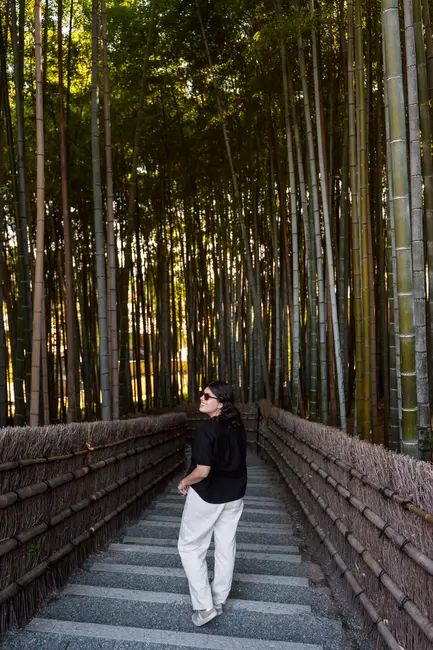
11. Take a Day Trip To Arashiyama Bamboo Grove


Just outside the city center, the bamboo grove is exactly what it sounds like: towering bamboo stalks creating a natural tunnel that should feel serene and meditative. Should. But doesn't always.
The bamboo grove gets really busy, and the crowds can take away from the potential tranquillity. It's still beautiful, but if you're expecting a peaceful, contemplative walk through nature, you might be disappointed when you're stuck in a slow-moving line of tourists.
The Better Option
Walk through the main bamboo grove, then head to Adashino Nenbutsuji Temple. This temple sits inside a lesser-known bamboo forest that's similar but way more serene. Fewer people, same vibe, and a better experience.
Arashiyama is about 30 to 40 minutes from central Kyoto, and you've got a few options depending on where you're staying.
We took the bus because it was actually faster than getting all the way to Kyoto station and taking the train (we were staying in the Shogoin Kawaracho area). Check Google Maps to see if there is a clearly easier route from your hotel, but in general, the trains are faster, more consistent, and easier to navigate.
How to Get To Arashiyama Bamboo Grove:
By Train (The Easiest Option)
The JR Sagano Line runs from Kyoto Station directly to JR Saga-Arashiyama Station. It takes about 15 minutes and costs around ¥240. Once you arrive, the bamboo grove is a 10 to 15-minute walk north through the streets. Just follow the crowds (or the signs). This is the fastest, most straightforward route if you're staying near Kyoto Station.
Alternatively, you can take the Hankyu Arashiyama Line from Kawaramachi or Karasuma stations to Hankyu Arashiyama Station. It's about a 25-minute ride, costs around ¥240 and drops you off on the south side of the Katsura River. Cross the iconic Togetsukyo Bridge on foot (it's gorgeous), and you're practically there. This route feels a bit more scenic.
By Bus
Kyoto City Bus routes 11, 28, and 93 all head to Arashiyama from various points in the city. It costs around ¥230 and it'll take 45 minutes to an hour, depending on traffic and where you're starting from. Only go this route if you're already using a bus pass for the day, or if your accommodation isn't near a train station. In most cases, the train is faster and less hassle.
By the Scenic Route (Randen Tram)
If you're feeling adventurous, take the Randen Arashiyama Line. This is a charming little streetcar that runs from Shijo-Omiya Station (connect via subway or bus) to Randen Arashiyama Station. It's slower (about 45 minutes), but the ride itself is part of the experience. You'll roll through residential neighbourhoods and quiet streets before arriving right in the heart of Arashiyama. The station even has a cute little kimono forest (poles wrapped in colourful fabric) that's worth a quick photo stop.
Getting to Adashino Nenbutsuji Temple
If you're following our advice and heading to the quieter bamboo forest at Adashino Nenbutsuji, it's about a 20-minute walk north from the main Arashiyama bamboo grove, or you can hop on bus route 62 or 92 from near Tenryuji Temple and ride a few stops. The walk is lovely if you have the time, winding through peaceful residential areas and smaller shrines. Just plug it into Google Maps and you're golden.
Best Time to Visit - Early morning or late afternoon. Midday is peak tourist traffic.
Vibe - Beautiful but busy. Set your expectations accordingly.
12. Arashiyama Monkey Park (Iwatayama)


Near the bamboo grove is Iwatayama, a hill that's not much to look at from the bottom. But at the summit, there's a monkey park. Not a park for watching monkeys from a distance. It's a park where you're hanging out with wild monkeys.
The Hike
It's a short but steep hike up that starts at the ticket booth near the river. As you get close to the top, you might see a monkey or two running around and climbing in the trees. We got so excited and started taking photos, and someone hiking down laughed and told us to "just wait." After a few more minutes of hiking, we were in the park where 120 or so snow monkeys were running around, fighting, taking care of their babies, and getting within a few feet of tourists. It was surreal.
The Rules
The monkeys roam freely, but there are staff members there to keep everyone safe. They'll go over the guidelines with you when you arrive. These are wild animals, so pay attention and follow the rules. Don't stare them directly in the eyes, don't touch them, and don't make sudden movements.
Feeding the Monkeys
You can buy food at the top to feed them yourself, which is a cool experience. The monkeys will come right up to the fence (you're inside a small building, they're outside) and take food from your hand.
Pro Tip - The views of Kyoto from the top are also stunning, so even if you're not into monkeys, the hike is worth it.
Vibe - Fun, unique, surprisingly interactive. Great for families or anyone who wants something different from temple-hopping.
Getting to Kyoto


Kyoto is well connected to Tokyo, Osaka, and most major Japanese cities through all of Japan's typical transit options. Prices are updated as of November 12, 2025. For up to date prices and an easy way to see if a JR pass is worth it on your trip use this calculator.
By Shinkansen (Bullet Train)
This is the fastest and most iconic way to travel in Japan. The trains are spotless, silent, and almost always on time.
- From Tokyo - 2 to 2.5 hours (¥14,000) ($90 USD)
- From Osaka -15 to 30 minutes (¥1,450 or $10 USD with a seat reservation) (¥670 or $5 USD without a seat reservation)
- From Hiroshima - About 1.5 hours (¥11,500 or $75 USD)
If you have a Japan Rail Pass, all these routes are fully covered, which makes long-distance travel between major cities affordable. Kyoto Station is huge (basically the size of a small town) with easy transfers to local trains, subways, buses, and taxis once you arrive.
By Regular Train
If you’re travelling without a Rail Pass, regular express or rapid trains are slower but cheaper.
- From Tokyo - Around 7 to 9 hours and usually requires a few transfers. (¥8,000 to ¥9,000 JPY) ($50 to 60 USD)
- From Osaka - About 1 hour on the JR Kyoto Line or Hankyu Line. (¥500 or $3.5 USD)
- From Hiroshima - Not an option on local trains.
These trains are a good option if you’re travelling short distances or exploring smaller towns between major cities.
By Bus
Overnight and highway buses are the best option for travellers on a tight budget.
- From Tokyo to Kyoto - 7 to 9 hours (¥5,000 to ¥8,000) ($30 to $50 USD)
- From Osaka to Kyoto - 1.5 to 2 hours (around ¥3,000) ($20 USD)
Buses are slower, but many offer reclining seats, Wi-Fi, and overnight routes that save you a night’s accommodation.
By Air
Kyoto doesn’t have its own airport. The closest is Osaka’s Kansai International Airport (KIX), which is about 75 minutes away by train or airport limousine bus.
How to Get Around Kyoto
Kyoto's train system isn't as extensive as Tokyo's, so expect to take buses, especially to reach temples and scenic areas. Google Maps works well here, and you can pay for buses with an IC card (like Suica or Pasmo). You can also pay with cash. There's a change machine on the bus if you need to break bills or coins into exact change.
Walking or Biking: One of the best ways to see Kyoto. Most neighbourhoods are flat and scenic, and renting a bike is cheap and fun. Just be careful with the buses as they move fast.
Taxis: Available but expensive. Use them if you're in a hurry or splitting with a group.
Where to Eat in Kyoto
Kyoto Engine Ramen
Amazing ramen, cozy space, and an open-concept kitchen so you can watch them whip up your meal. The broth is rich, the noodles are perfect, and the whole experience feels personal, with the open concept kitchen where you can see them whipping up endless bowls of ramen.
Best For: Ramen lovers, casual dinners
Falafel Garden (Demachiyanagi)
A great vegan/vegetarian spot that's a welcome break from traditional Japanese fare if you're a bit further into your trip and craving something different. Laid-back vibe, hearty portions, and really good falafel.
Best For: Vegetarians, vegans, anyone needing a break from rice and noodles
Yudofu Sagano (Arashiyama)
If you're doing an Arashiyama day trip, this is the spot. It's a classic Buddhist tofu set meal. Light, peaceful, and definitely a cultural experience. The tofu is made fresh, and the setting is serene.
Best For: Traditional Japanese dining, Arashiyama day trips.
Convenience Store Picnics
Grab onigiri, drinks, and snacks from 7-Eleven or Lawson and head to a riverbank or park. Kyoto's scenery turns even a convenience store haul into a cute date. The Kamo River is a popular picnic spot, especially in the evening.
Best For: Budget meals, spontaneous snacks, riverside hangs.
Where to Stay in Kyoto
Gion
The most atmospheric area in town. Traditional wooden buildings, cobblestone streets, and geishas walking around. It's touristy, yes, but still magical, especially at dusk. Expect to pay a bit more here.
Two top-rated options:

Rinn Gion Hanatouro
Rinn Gion Hanatouro offers modern Japanese-style rooms with an exceptional 9.8 location rating in Gion's south side. Just 1 minute to the renowned Geisha district Hanami-koji Street, 2 minutes to Kaburenjo theatre and Kennin-ji Temple, and 4 minutes to Yasaka Shrine. Select rooms feature balconies with scenic views of local temples and the Higashiyama district. Contemporary Japanese decor throughout creates an authentic and immersive atmosphere.Check Availability
Yoin Hotel Kyoto Gion
Yoin Hotel Kyoto Gion offers spacious air-conditioned rooms with private bathrooms, work desks, seating areas, coffee machines, refrigerators, and TVs with an exceptional 9.5 location rating. Just 5 minutes from Gion Shijo Station, less than 0.6 miles to Shoren-in Temple, and 1.2 miles to Kiyomizu-dera Temple. Features elevator, concierge service, full-day security, and luggage storage. Highly rated for convenient location and generous room size.Check AvailabilityHigashiyama
Quiet and full of charm. Right near lots of Kyoto's best temples, walkable, peaceful, and feels like the Kyoto you see in the movies. Great base if you're here to soak up culture.
There are a few options here for more budget-friendly options, entire guesthouses, and upscale options.
Best For: Temple lovers, people who want charm and convenience.
Kyoto Station
More modern and central. Great transport links if you're planning day trips or want convenience over atmosphere. Less charm, more efficiency.
There are lots of standard Western-style large hotel options here:

APA Hotel
Kyoto Ekimae APA Hotel is just 656 feet from Kyoto Train Station with an 8.7 location rating for couples. Modern rooms feature air-conditioning, LCD TVs, free WiFi, fridges, electric kettles with green tea, private bathrooms with bathtubs, and free video-on-demand. Eight-minute walk to Higashi and Nishi Hongan-ji Temples, 25 minutes to Sanjusangen-do Temple. On-site buffet restaurant, massage services, vending machines, and private parking are available. Check Availability
Miyako City Kintetsu
Miyako City Kintetsu Kyoto Station is located inside Kintetsu Kyoto Station with an excellent 9.5 location rating for couples. Air-conditioned rooms feature neutral colors, flat-screen TVs, kettles, refrigerators, and private bathrooms with baths, slippers, and hairdryers. Twenty minutes to Kiyomizu-dera and Tofuku-ji Temples, 15 minutes to Kyoto International Manga Museum, 30 minutes to Yasaka Shrine. Twenty-four-hour front desk with free luggage storage.Check Availability
Hotel Tomiya with M's
HOTEL Tomiya with M's offers 4-star accommodations in central Kyoto with an excellent 9.6 location rating for couples. Soundproofed rooms feature air-conditioning, free WiFi, private bathrooms, work desks, TVs, bathrobes, streaming services, and kitchenettes. Just 2 minutes to TKP Garden City Kyoto and 1,312 feet from Kyoto Station. A 14-minute walk to Sanjusangen-do Temple. Highly rated for public transport access and convenient location.Check AvailabilityRyokan in the North (Kurama or Ohara)
If you want something peaceful and traditional, look for stays near Kurama or Ohara. These areas are quieter and less touristy, but they're not as convenient for exploring the city center.
Best For: People who want a traditional ryokan experience and don't mind being outside the main tourist areas

Japanese Ryokan Seryo
Oyado Seryo offers traditional accommodations with 9.3 location rating for couples. 3 minutes from JR Ohara Bus Station with free shuttle service. Tatami rooms feature futon bedding, garden views, fridges, and tea/coffee facilities. Indoor and outdoor public baths are available. Japanese Kaiseki dinner, Wagyu Shabu-Shabu, or Sukiyaki cuisine served in the dining room. Five-minute walk to Ohara Sanzan-in and Hosei-in Temples, 7 minutes to Jakko-in Temple.Check Availability
Kurama Onsen
Kurama Onsen offers mountain-view family rooms with air-conditioning, balconies, dining tables, work desks, and free toiletries. Excellent 9.1 location rating for couples. Extensive relaxation facilities include hot spring baths, open-air baths, sauna, hot tub, public bath, and terrace. On-site restaurant serves Japanese cuisine for dinner with a bar available. Near Shugakuin Imperial Villa and Kyoto Imperial Palace. Hiking opportunities nearby. Check AvailabilityBest Times to Visit Kyoto
Spring (Late March to April)
Cherry blossoms! Kyoto gets busy, but the blooms around temples and along rivers are worth the crowds. The Philosopher's Path and Maruyama Park are particularly stunning.
Pros: Cherry blossoms, perfect weather
Cons: Peak crowds, higher prices
Fall (November)
Maple leaves turn fire-red, especially in the mountains and temple gardens. A photographer's dream, and our favourite time of year to visit. We pick it above cherry blossom season because the fall foliage comes at a more predictable time and sticks around a bit longer. Less of a game of chance.
Pros: Stunning colours, great weather, fewer bugs than summer
Cons: Still crowded, but not as bad as spring
Winter (December to February)
Chillier and quieter. The temples under a dusting of snow are surreal. Just dress warm, because it gets cold at night. We haven't been in winter, but we want to. Looks like it would be a winter wonderland.
Pros: Fewer crowds, snow-covered temples, peaceful
Cons: Cold, some outdoor activities are less appealing
Summer (June to August)
Hot and humid, but Kyoto comes alive with festivals. Gion Matsuri in July is the big one. It consists of massive parades, traditional floats, and street parties. We avoided summer because we can't handle that kind of heat, but if you're into festivals and don't mind sweating, it's a great time to visit.
Pros: Festivals, lively atmosphere
Cons: Oppressively hot and humid
Final Thoughts

Kyoto is a city that manages to feel both timeless and relevant. Yes, it's crowded. Yes, some of the temples feel like conveyor-belt tourist experiences. But when the light hits the golden pavilion just right, or when you find yourself alone on a quiet temple path, or when you're sitting by the river with convenience store snacks watching the sun set, you will see exactly why so many people come here.
Take your time, pick your spots carefully, and don't try to see everything. Kyoto rewards slow exploration and spontaneous detours more than checklist tourism. And if the crowds get to you, remember: there's always a quiet temple, a peaceful garden, or a riverside picnic waiting just around the corner.
FAQ
What are the must-see attractions in Kyoto?
How do I get to Kyoto from Tokyo or Osaka?
When is the best time to visit Kyoto?
What are the best ways to get around Kyoto?
What should I eat in Kyoto?
Where should I stay in Kyoto?
How do I avoid crowds at Kyoto's popular sites?
Our Trusted Travel Partners
We only recommend products and services we personally use and trust.

SafetyWing
Travel medical insurance for nomads and remote workers
Booking.com
Find the best deals on hotels, apartments, and vacation rentals
AllTrails
Discover hiking trails with detailed maps and reviews
Surfshark
Secure VPN for safe browsing and accessing content worldwide
Get Your Guide
Find the best deals on tours and experiences
Airalo
Prepaid SIM cards for travelers
Trusted Housesitters
Find free accommodation by house and pet sitting worldwide
Wise
Send and receive money internationally with low fees* We may earn a commission when you make a purchase through our affiliate links, at no extra cost to you. We appreciate this support, which helps sustain our blog and allows us to create more content and help more great trips get planned!