
So is it worth the trip
The honest answer: it depends on what you're expecting, when you visit, and how much effort you're willing to put in to experience it properly.
This guide breaks down what Shirakawago actually is, what makes it special, what might disappoint you, and how to visit in a way that maximizes your chances of having a magical experience instead of a frustrating one.
Where to Stay (Before It’s Fully Booked)
)
Key Tips for Visiting Shirakawago
- Book Everything in Advance: Buses, accommodation, and illumination event reservations all fill up fast. Plan and book as early as possible.
- Visit on a Weekday: Weekends are significantly more crowded. If you have flexibility, visit on a Tuesday, Wednesday, or Thursday.
- Go Early or Stay Late: Day-trippers arrive around 10 AM and leave by 4 PM. If you arrive early (before 9 AM) or stay late (after 5 PM), you'll have a much more peaceful experience.
- Stay Overnight: This is the single best way to experience Shirakawago. You'll see the village when it's quiet, eat home-cooked meals, and sleep in a 250-year-old farmhouse.
- Dress for the Weather: Winter is cold and snowy (bring warm layers, waterproof boots, and hand warmers). Summer is humid. Spring and fall can be rainy. Check the forecast and pack accordingly.
- Bring Cash: Many shops and restaurants in the village only accept cash. There are ATMs, but don't rely on them.
- Don't Just Stay on the Main Street: Explore the side paths, walk along the river, and venture to the quieter parts of the village. That's where you'll find the magic.
- Stay Connected: Google Maps and Google Translate come in very handy. Make sure to download what you need ahead of time, or grab an e-SIM to make your life easier.
Location Map
All locations mentioned in this blog are pinned here so you can visualize your trip!What Is Shirakawago?

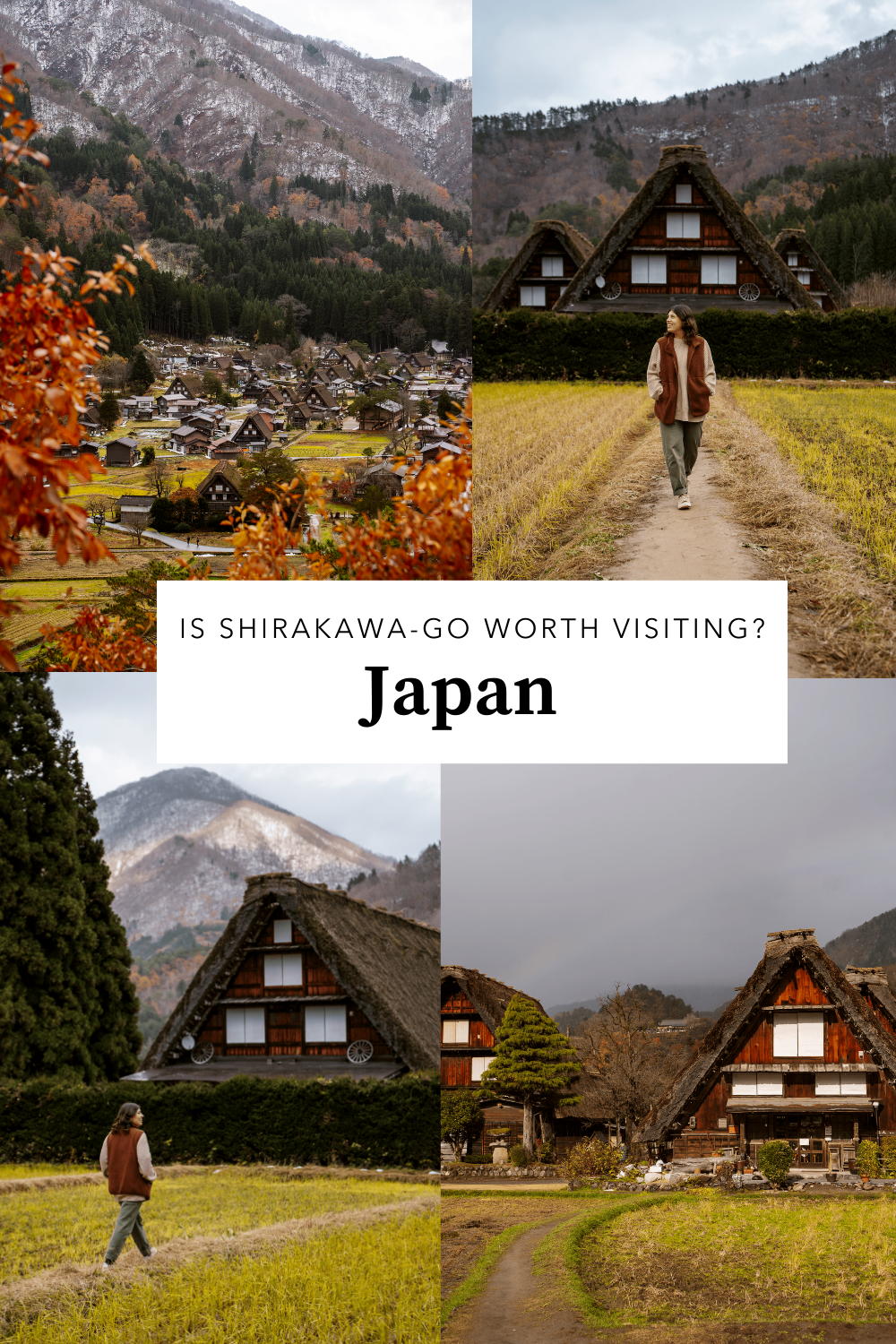
Shirakawago is a remote mountain village in Gifu Prefecture, nestled in the valley of the Shogawa River and surrounded by steep, forested mountains. It's famous for its gassho-zukuri farmhouses, which are traditional buildings with steep thatched roofs that look like hands pressed together in prayer (gassho means "praying hands").
These roofs were designed to handle the region's heavy snowfall (the area gets some of the deepest snow in Japan) and to create large attic spaces where silkworms were raised. Many of these farmhouses are over 250 years old, and they've been preserved as working structures. People still live in them, run businesses in them, and maintain them using traditional methods.
The village has been a UNESCO World Heritage Site since 1995, which brought international attention and tourism. Today, Shirakawago receives millions of visitors per year, especially during cherry blossom season, fall foliage, and the winter illumination events.
The appeal:
- Stunning, almost surreal scenery
- Traditional architecture you won't find anywhere else in Japan
- A glimpse into rural mountain life from centuries past
- Photogenic in every season
- Gateway to the Japanese Alps
The reality:
- Can be extremely crowded, especially during peak times
- Feels touristy in parts, with souvenir shops and tour buses
- Remote location requires planning and effort to reach
- Weather-dependent (heavy snow can close roads, rain can dampen the experience)
If you want to simplify your planning, you can book onto a half day tourthat takes you through the village on a small-group guided walk, inside a traditional gassho-zukuri house, and provides a local guide who will tell you more about the villages history and be available to answer any of your questions.
Why Visit Shirakawago?
The Gassho-Zukuri Architecture


The farmhouses are the reason Shirakawago exists as a tourist destination. The steep, thatched roofs are built without nails, using wooden pegs and rope to hold everything together. The design allows snow to slide off easily, prevents heavy accumulation from collapsing the roof, and creates a large attic space for storage and silkworm cultivation.
The roofs are re-thatched every 30-40 years, and the process is a community effort that takes dozens of people working together. It's a living tradition, not a reconstruction, which makes it genuinely special.
The Setting
Shirakawago sits in a wide valley surrounded by mountains, with the Shogawa River running through it. The layout is picturesque with farmhouses scattered across rice paddies, forests climbing the slopes, and mountains framing the entire scene. It looks like a painting, especially from the Shiroyama Viewpoint overlooking the village.
The Seasonal Beauty
Shirakawago is stunning year-round, but each season offers a completely different experience:
- Winter: Snow-covered roofs and landscapes create a fairy-tale atmosphere
- Spring: Cherry blossoms and fresh green rice paddies
- Summer: Lush greenery and wildflowers
- Fall: Fiery red and orange foliage against the traditional buildings
The Cultural Experience
You can tour the inside of several farmhouses that have been converted into museums, stay overnight in a farmhouse guesthouse (minshuku), and learn about traditional mountain life, silkworm cultivation, and rural crafts.
The Downsides (Let's Be Honest)

The Crowds
This is the big one. Shirakawago is wildly popular, and during peak times (winter illuminations, cherry blossom season, fall foliage, weekends), it can feel overrun with tourists.
Tour buses arrive throughout the day, the main street becomes a slow-moving river of people, and getting the iconic viewpoint photo without dozens of strangers in the frame becomes nearly impossible.
The winter illumination events are the worst for crowds. The village limits the number of visitors and requires advance reservations, but even with those controls, it's packed. If you hate crowds, avoid these events.
It Feels Touristy
Many of the farmhouses along the main street have been converted into souvenir shops, restaurants, and cafes catering to day-trippers. The tourism keeps the village alive and funded, but it does dilute the "authentic rural village" vibe.
You'll see locals dressed in traditional clothing posing for photos (for tips), souvenir shops selling the same magnets and keychains you'll find everywhere else in Japan, and restaurants with picture menus and inflated prices. It's not Disneyland, but it's not untouched rural Japan either.
It's Remote
Shirakawago is not easy to get to. It requires a bus ride from Takayama, Kanazawa, or Nagoya, and those buses don't run frequently. If you miss your bus back, you might be stuck for hours, or overnight if it's the last bus of the day.
The remoteness is part of the charm, but it also means you need to plan carefully, book bus tickets in advance (especially during peak seasons), and build buffer time into your schedule.
Weather Can Make or Break Your Visit
Shirakawago is beautiful in any weather, but rain, fog, or heavy clouds can obscure the views and make the experience less magical. Winter brings heavy snow, which is stunning but can also close roads or delay buses.
If you're travelling from far away specifically to see Shirakawago and the weather doesn't cooperate, it can feel disappointing.
So, Is Shirakawago Worth Visiting?


Yes, if:
- You can visit during the off-season or on a weekday when crowds are lighter
- You appreciate traditional architecture and rural culture
- You're already in the area (Takayama, Kanazawa, Nagoya) and can visit without going too far out of your way
- You're visiting in winter and want to see the snow-covered gassho-zukuri houses
Maybe not, if:
- You're short on time and have limited days in Japan
- You hate crowds and are visiting during peak season without staying overnight
- You're expecting a completely untouched, non-touristy experience
- You've already seen similar traditional villages elsewhere and aren't particularly interested in architecture
Our take: Shirakawago is worth visiting, but only if you do it right. A rushed day trip during peak season can be frustrating and disappointing. But if you visit on a weekday, stay overnight, or use it as a layover between Kanazawa and Takayama, it's a great destination.
How to Visit Shirakawago
Getting There
Shirakawago is accessible by bus from several major cities. There are no trains to the village, so buses are your only option.
| Starting Point | Time | Cost | Frequency |
|---|---|---|---|
| Takayama | 50 minutes | ¥2,600 ($17 USD) round trip | Several buses per day |
| Kanazawa | 1 hour 15 minutes | ¥2,800 ($18 USD) one way, ¥5,600 ($36 USD) round trip | Several buses per day |
| Nagoya | 2.5 to 3 hours | ¥4,200 ($27 USD) one way | A few buses per day |
| Toyama | 2 Hours | ¥2,000 ($13 USD) one way | Limited buses per day |
Important Notes:
- Book in advance: Buses fill up quickly, especially during peak seasons. Reserve your seat online or at the bus terminal as early as possible.
- Check the schedule: Bus times vary by season, and some routes have limited departures. Plan your day around the bus schedule.
- Return buses sell out: Don't assume you can just hop on any bus back. Book your return trip when you book your arrival, or risk being stranded.
Pro Tip:
The Nohi Bus and Hokutetsu Bus websites allow online reservations.
How Long to Spend In Shirakawago
Day Trip (4-6 hours): Enough time to walk around the village, visit a few farmhouse museums, grab lunch, and see the viewpoint. This is what most people do.
Overnight Stay: The best option. You'll experience the village in the early morning and evening when day-trippers are gone. The atmosphere is completely different, and you'll get to stay in a traditional gassho-zukuri farmhouse.
Half Day (2-3 hours): Possible if you're just passing through, but it feels rushed. You'll see the main sights, but you won't have time to really soak in the atmosphere.
What to Do in Shirakawago

1. Walk Through the Village
The main activity is simply wandering through the village and admiring the architecture. The farmhouses are scattered across the valley, connected by narrow paths and small bridges. Take your time, explore the side streets, and get away from the main tourist drag.
What to See:
- Traditional gassho-zukuri farmhouses
- Rice paddies and mountain views
- The Shogawa River running through the village
- Smaller shrines and temples tucked into quiet corners
Best Time: Early morning (before 9 AM) or late afternoon (after 4 PM) when day-trippers are gone.
2. Visit the Shiroyama Viewpoint
The iconic photo of Shirakawago is taken from the Shiroyama Viewpoint. It's a short, steep walk (about 15 minutes) or a quick shuttle bus ride from the village.
The viewpoint gets crowded, especially during peak times and sunset, but the view is worth it. If you're staying overnight, go at sunrise for the best light and fewer people.
Cost: Free to walk up, ¥200 ($1.30 USD) for the shuttle bus (one way)
3. Tour the Farmhouse Museums
Several farmhouses in the village have been converted into museums where you can see the interior layout, traditional tools, and displays about life in the mountains.
Wada House: The largest and most impressive farmhouse in the village, with multiple floors and a beautiful interior. Entry is around ¥400 ($2.60 USD).
Kanda House: Another large farmhouse with exhibits on traditional crafts and architecture. Entry is around ¥300 ($2 USD).
Nagase House: A doctor's house with displays on medicine and daily life. Entry is around ¥300 ($2 USD).
Gassho-zukuri Minkaen (Open-Air Museum): A cluster of relocated farmhouses on the edge of the village. Less crowded and more educational. Entry is around ¥600 ($4 USD).
You don't need to visit all of them. Pick one or two that interest you and spend your time exploring the village itself.
4. Stay Overnight in a Gassho-Zukuri Farmhouse
This is the best way to experience Shirakawago. Several farmhouses operate as minshuku (traditional guesthouses) where you can sleep on tatami mats, eat home-cooked meals, and experience what it's like to stay in a 250-year-old building.
What to Expect:
- Shared bathrooms and common areas
- Traditional tatami rooms (futons on the floor)
- Home-cooked dinners and breakfasts (often featuring local mountain vegetables and river fish)
- Interaction with the host family
- Quiet evenings and peaceful mornings
Cost: Around ¥9,000-12,000 ($60-80 USD) per person per night, including two meals
How to Book: Reservations must be made well in advance, especially during peak seasons. The Shirakawago Tourism Association website has a list of farmhouses that accept guests, and you can book directly or through booking platforms.
Book at least 1-2 months in advance during peak seasons (winter, spring, fall). The farmhouses are small and fill up quickly.
5. Try Local Specialties
Shirakawago's mountain location means the food is hearty, rustic, and focused on local ingredients.
What to Try:
- Hida Beef: The region's famous wagyu beef (though it's more associated with Takayama, you'll find it here too)
- Soba Noodles: Made from mountain-grown buckwheat
- Gohei Mochi: Grilled rice cakes coated in sweet miso sauce
- River Fish: Grilled or simmered fish from local rivers
- Mountain Vegetables (Sansai): Wild vegetables foraged from the surrounding mountains
The restaurants can be pricey and touristy. If you're on a budget, grab snacks from a convenience store before you arrive.

Best Time to Visit Shirakawago
Winter (December to February) - The Most Iconic
This is what Shirakawago is famous for. Heavy snow blankets the village, covering the thatched roofs and creating a scene straight out of a winter fairy tale.
Pros:
- Stunning snow-covered scenery
- Winter illumination events (if you can get tickets)
- Fewer crowds (except during illumination events)
Cons:
- Cold (temperatures often below freezing)
- Roads can close due to heavy snow
- Winter illuminations are insanely crowded and require advance reservations
Pro Tip: If you want to see winter Shirakawago without the illumination crowds, visit on a regular winter day (not during an illumination event). You'll get the snow and beauty without the chaos.
Spring (March to May) - Cherry Blossoms and Fresh Green
Cherry blossoms bloom in mid-to-late April, and the rice paddies turn bright green as farmers plant new crops. The contrast between the traditional farmhouses and the vibrant spring colours is beautiful.
Pros:
- Cherry blossoms
- Pleasant weather
- Fresh, green scenery
Cons:
- Crowded, especially during cherry blossom peak
- Unpredictable spring weather (rain is common)
Summer (June to August) - Lush and Green
The valley is lush with greenery, wildflowers bloom, and the weather is warm (often too warm). This is the least popular season for tourists, which means fewer crowds.
Pros:
- Fewer crowds
- Lush, vibrant landscapes
- Comfortable hiking weather
Cons:
- Can be hot and humid
- Less dramatic scenery than other seasons
- Risk of heavy rain (June is the rainy season)
Fall (October to November) - Fiery Foliage
The mountains explode with red, orange, and gold foliage, and the contrast against the traditional farmhouses is stunning. This is one of the most popular times to visit.
Pros:
- Spectacular fall colours
- Comfortable weather
- Great for photography
Cons:
- Crowded, especially on weekends
- Accommodation books up quickly
- Higher prices during peak foliage
The Winter Illumination Events: Worth It?
Shirakawago hosts special illumination events on select winter evenings (usually in January and February) when the village lights up the farmhouses with spotlights, creating a glowing, magical atmosphere against the snow.
The appeal: It's stunning. The illuminated farmhouses against the snow and night sky are one of the most photographed scenes in Japan.
The reality: It's insanely crowded, requires advance reservations (lottery system), and can feel more like a mob scene than a peaceful experience. You'll wait in line for the shuttle bus to the viewpoint, jostle for space with hundreds of other people, and spend most of your time trying to get a photo instead of enjoying the moment.
Our take: If you can handle crowds and really want the illumination photos, go for it. But if crowds stress you out, skip the illumination events and visit Shirakawago during regular winter days. You'll get 90% of the beauty with 10% of the hassle.
Final Thoughts
Is Shirakawago worth it? Yes, but only if you approach it the right way.
If you rush through on a crowded day trip, fight for photos at the viewpoint, and leave feeling like you just checked a box on your bucket list, you'll probably wonder what the hype was about.
But if you visit on a quiet weekday, stay overnight in a farmhouse, wake up to mist rising over the valley, and experience the village when the tour buses are gone, you'll understand exactly why Shirakawago is considered one of the most beautiful places in Japan.
FAQ
Is Shirakawago worth visiting?
How do I get to Shirakawago?
What is the best time to visit Shirakawago?
Should I do a day trip or stay overnight in Shirakawago?
Are the winter illumination events worth it?
How long should I spend in Shirakawago?
What is gassho-zukuri architecture?
Can I stay in a traditional farmhouse in Shirakawago?
How crowded is Shirakawago?
What should I do in Shirakawago?
Our Trusted Travel Partners
We only recommend products and services we personally use and trust.

SafetyWing
Travel medical insurance for nomads and remote workers
Booking.com
Find the best deals on hotels, apartments, and vacation rentals
AllTrails
Discover hiking trails with detailed maps and reviews
Surfshark
Secure VPN for safe browsing and accessing content worldwide
Get Your Guide
Find the best deals on tours and experiences
Airalo
Prepaid SIM cards for travelers
Trusted Housesitters
Find free accommodation by house and pet sitting worldwide
Wise
Send and receive money internationally with low fees* We may earn a commission when you make a purchase through our affiliate links, at no extra cost to you. We appreciate this support, which helps sustain our blog and allows us to create more content and help more great trips get planned!