
5-Day Kyoto Itinerary Tips: Essential Things to Know Before You Visit
- How Long To Stay: I would suggest 3 to 5 nights. There are many day trips from Kyoto, so it's a great place to base yourself for a while.
- Don't Try to Hit Every Temple: There are over 2,000 temples in Kyoto. Don't burn yourself out trying to see them all. Pick 2 to 3 a day, max and enjoy them slowly.
- Public Transport is Less Intuitive: You'll use a mix of buses, local trains, and walking. It's not as seamless as Tokyo's system, but it works. Just give yourself extra time.
- Try Kaiseki Dinner: If you're into fine dining or curious about traditional meals, try a kaiseki dinner. It's multi-course, seasonal, and Kyoto is famous for it. Expect to pay a premium, but it's a special experience.
- Respect the Geishas: If you see a geisha in Gion, don't chase them, block their path, or shove your camera in their face. They're working professionals on their way to appointments. Be respectful, take your photo from a distance, and let them pass.
- Stay Connected: Google Maps and Google Translate come in very handy. Make sure to download what you need ahead of time, or grab an e-SIM to make your life easier.
Where to Stay (Before It’s Fully Booked)
)
Before You Go
Don't Leave Home Without Travel Insurance
We never leave the country without our safety wing coverage activated. Whether it's a missed flight, a lost bag, or a serious medical evacuation Safety Wing offers an irreplaceable peace of mind. Our favourite part is we can pause it with the click of a button when we're back in Canada and turn it back on just as easily when we're back on the move.
Day 1: Higashiyama: Temples, Traditional Streets & Sunset Views
This is your classic Kyoto introduction. You'll hit some of the most iconic spots in the city, all within walking distance of each other in the Higashiyama district.
Sunrise: Hōkan-ji Temple (Yasaka Pagoda)

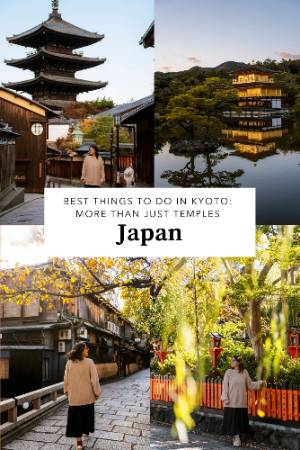
Start your day with one of the most iconic views in Kyoto, if not Japan. This iconic viewpoint is of Hōkan-ji Temple, which sits right between Ninenzaka and Sannenzaka, some of the most photogenic in the city. Be prepared for the crowds, as an early alarm does not stop people from arriving in troves. However, it is the quietest you'll see it as this viewpoint only gets progressively busier as the day moves on.
Early Morning: Ninenzaka & Sannenzaka Streets
After the viewpoint of Hōkan-ji Temple, wind your way down through these preserved cobblestone lanes. This is the classic postcard Kyoto scene, with traditional wooden machiya houses, tea shops with noren curtains swaying in the breeze, pottery stores, and that iconic viewpoint where Kiyomizu-dera's pagoda peeks over the rooftops.
What to do:
- Snap photos at the top of Sannenzaka looking back toward the temple
- Pop into ceramic shops and browse handmade pottery
- Try a yatsuhashi sweet (Kyoto's famous cinnamon-and-rice-flour treat)
- Get lost in the quieter side alleys off the main drag
Late Morning: GOKAGO Matcha


Reward yourself with some of the best matcha in Kyoto. This sleek, minimalist cafe sources tea directly from family-run farms in Uji, and you can taste the difference. The Higashiyama location is tucked just off the main tourist path.
What to order: The usucha (thin ceremonial matcha) for the traditional experience, or a matcha latte if you want something creamy. Their matcha soft serve and donuts are incredible, too.
Early Afternoon: Explore more of Higashiyama
Take your time wandering the Higashiyama neighbourhood. You might stumble upon smaller temples, quiet gardens, or interesting shops. This is a good time for a leisurely lunch. There are plenty of options tucked into the traditional buildings.
Afternoon: Wander Gion


Meander your way towards Kyoto's oldest and most atmospheric neighbourhood. The wooden machiya houses, cobblestone streets, and glowing lanterns create pure magic at all times of day.
What to do:
- Visit the most photogenic area of the neighbourhood: Shirakawa Canal
- Walk along Hanamikoji Street, Gion's main thoroughfare.
- Sign up for a food tour.
- Keep an eye out for geisha or maiko (apprentice geisha) heading to evening appointments.
- Find a spot for dinner. There are traditional tea houses and modern restaurants alike, tucked into old buildings throughout the neighbourhood.
- Join a walking tour.
Geisha etiquette: If you spot one, don't chase them or block their path. They're professionals on their way to work. Take your photo from a distance and let them pass.
Sunset: Kiyomizu-dera Temple

End your day at one of the city's most famous temples. The wooden terrace juts out from the hillside, offering panoramic views over the city that are especially beautiful in the soft golden light. Watch the sunset paint the city below, then wander back down Sannenzaka and Ninenzaka as the lanterns flicker on. The atmosphere transforms completely after dark.
Don't miss going inside and getting your fortune by pulling a numbered stick from a shaker. Get a reliable translation, and you will be surprised by what it might reveal.
Getting there: Take bus 100 or 206 from Kyoto Station to Gojo-zaka or Kiyomizu-michi stop. From there, it's a 10-15 minute uphill walk.
Night: Pontocho Alley


Tonight, head to this narrow lantern-lit alley running along the Kamogawa River. It's one of Kyoto's most atmospheric dining streets, packed with tiny bars, hidden izakayas, and traditional teahouses.
What to do: Walk the full length once and take in the scenic architecture and lines of lanterns. Then double back and pick a spot for dinner. In summer, many restaurants set up outdoor decks right over the river.
Vibe: Romantic, cozy, a little chaotic, and one of the best nighttime strolls in the city.
Day 2: Arashiyama Day Trip (Kyoto Itinerary Must-Do)
Today you're heading west to Arashiyama, a district on the outskirts of Kyoto known for its bamboo grove, monkey park, and scenic river views. It's technically still Kyoto, but it feels like a proper day trip.

Getting There
By train (recommended): Take the JR Sagano Line from Kyoto Station to JR Saga-Arashiyama Station. It's about 15 minutes and costs around ¥240. The bamboo grove is a 10-15 minute walk north of the station.
Scenic option: Take the Randen tram from Shijo-Omiya Station. It's slower (about 45 minutes), but it's charming and you'll roll through residential neighbourhoods before arriving at a station with a cute "kimono forest" (poles wrapped in colourful fabric) worth a quick photo.
Morning: Arashiyama Bamboo Grove


Get here early. The towering bamboo stalks create a natural tunnel that should feel serene and meditative. And it does, if you beat the crowds. By mid-morning, it becomes a slow-moving line of tourists.
Pro tip: Walk through the main grove, then continue north to Adashino Nenbutsuji Temple (about 20 minutes on foot). This temple sits in a lesser-known bamboo forest with the same vibe but far fewer people. The walk there winds through peaceful residential areas and smaller shrines.
Late Morning: Adashino Nenbutsuji Temple


Adashino Nenbutsuji is tucked into a quieter neighbourhood with its own bamboo forest and a temple complex that feels worlds away from the crowds. The temple is best known for the 8,000+ stone statues scattered across the grounds.
The real highlight is the bamboo forest behind the temple. It's basically the version people wish the main grove was. Same atmosphere, same towering stalk, same hypnotic sound when the wind passes through, but without the traffic jam of tourists.
Lunch: Yudofu Sagano
For a true cultural experience, try a traditional Buddhist tofu meal. Yudofu Sagano serves fresh tofu in a serene setting. It's light, peaceful, and distinctly Kyoto.
Afternoon: Togetsukyo Bridge & Surroundings
Cross the iconic bridge spanning the Katsura River. The mountain backdrop is gorgeous, especially in spring (cherry blossoms) or fall (fiery maples). Take your time exploring the riverside area. You can even take a boat cruise if you're feeling adventurous, or just find a spot to sit and watch the water.
Late Afternoon: Iwatayama Monkey Park


Head back toward the river and look for the entrance to the monkey park near Togetsukyo Bridge. Don't let the modest entrance fool you; this is one of the most unique experiences in Kyoto.
The hike: It's a short but steep 20-minute climb. As you near the top, you'll start seeing monkeys in the trees. Keep going.
At the summit: Around 120 wild snow monkeys roam freely, fighting, grooming, caring for babies, and getting surprisingly close to visitors. You can buy food to feed them from inside a small building (you're inside, they reach through the fence). The views over Kyoto from up here are stunning too.
Rules: Don't stare them directly in the eyes, don't touch them, and don't make sudden movements. Staff are there to keep everyone safe, so listen to them.
Evening: Back to Kyoto
Head back to central Kyoto for dinner. If you're craving something hearty after all that tofu, hit up Kyoto Engine Ramen for rich broth, perfect noodles, and an open kitchen where you can watch them work.
Day 3: Northern Kyoto: Golden Temples & Peaceful Paths
Today focuses on northern Kyoto, home to some of the city's most famous temples and one of its most peaceful walks.
Morning: Coffee & Nanzen-ji Temple
Start your morning the right way with a stop at Blue Bottle Coffee in the Nanzenji neighbourhood before making the short walk to Nanzen-ji Temple. An early start here is smart because this coffee shop gets as busy as most of the temples (but for good reason). The café's minimalist aesthetic mirrors the zen simplicity you're about to experience. It's one of the better coffees we've had around the world, plus, you can grab a pastry for the road if you need a little extra fuel for all the walking ahead. The whole area is quiet and peaceful in those early hours, giving you a taste of Kyoto's contemplative side before the day really begins.


The Philosopher's Path starts (or ends) near this impressive Zen temple complex. Walk through the massive Sanmon Gate (you can climb to the top for sweeping views), explore the serene rock gardens, and find the unexpected highlight: a red-brick Roman-style aqueduct that looks like it was transported from Europe.
Pro tip: The gardens here actually encourage you to sit and stay awhile. Find a spot, breathe, and let the tranquil atmosphere wash over you.
Early Afternoon: Walk The Philosopher's Path


From the temple, walk north along this cherry-tree-lined canal. It's named after a Kyoto philosopher who used to walk here in contemplation, and once you start walking the path yourself, you'll understand why. The path stretches about 2 kilometres and is peaceful year-round; though it's especially magical during cherry blossom season (late March-April) when the trees form a pink canopy overhead.
Take your time. Stop at small temples and shrines along the way. Grab lunch at one of the cafes dotting the path.
Afternoon: Nishiki Market
Known as "Kyoto's Kitchen," this covered market stretches several blocks and overflows with food stalls, fresh seafood, pickles, sweets, and local specialties. It's crowded, loud, and delicious.
What to try:
- Fresh sashimi on skewers
- Tsukemono (Japanese pickles). Kyoto is famous for these
- Yuba (tofu skin), a local specialty
- Matcha-flavoured everything
- Tamagoyaki (sweet Japanese omelet) on a stick
Strategy: Walk the full length first to scout what looks good, then double back for your favourites. Expect to graze your way through rather than sit down for a proper meal.
Best time: Midday captures the full market energy, but weekday afternoons are slightly less packed than weekends.
Sunset: Kinkaku-ji (Golden Pavilion)


Catch the golden light at Kyoto's golden temple. Floating on a quiet pond, it's exactly as stunning as the photos suggest, and exactly as crowded. Getting there right when it opens (9:00 AM) gives you the best shot at lighter crowds, but honestly, that peace only lasts a few minutes and then the crowds last until closing time. So embrace the over-tourism and catch it during sunset.
Getting there: Take bus 205 from Kyoto Station (about 40 minutes).
What to expect: You'll follow a set path around the temple grounds with designated photo spots. It's a bit of a conveyor-belt experience, but the temple itself is breathtaking. Don't plan to linger long. Just see it, appreciate it, and move on.
Day 4: Fushimi Inari & A Day Trip To Uji
Today mixes Kyoto's most photographed shrine with its most delicious day trip.
Early Morning: Fushimi Inari Shrine


This is the one with thousands of vermillion torii gates winding up a mountainside. It's stunning, iconic, and worth the early wake-up call to experience it properly.
Getting there: Take the JR Nara Line from Kyoto Station to Inari Station (5 minutes, ¥150). The shrine entrance is right outside the station.
Timing is everything: Arrive before 7:00 AM. The shrine is open 24 hours, but the crowds build quickly after 8:00 AM. Early morning gives you the best chance at photos without hundreds of people in them. If you arrive a bit later, the bottom will be packed, but the crowds thin the higher you climb, so just save the photos for higher up.
Alternative: If you prefer, you can also sign up for a tour with a guide. This is great for anyone who wants to get more of the history of the mountain, or anyone travelling solo who wants to make it more social.
The hike: The full loop to the summit takes about 2-2.5 hours. It's all uphill, but the path is well-maintained. The crowds thin dramatically as you climb. By the halfway point, you'll find peaceful stretches where you're completely alone among the gates.
What you'll see: Beyond the famous gates, there are hidden shrines, small gardens, stone fox statues (the shrine's messengers), and viewpoints over Kyoto.
Pro tip: Go all the way to the top if you have the energy. The views are worth it, and you'll discover parts of the shrine most tourists never see.
Late Morning: Breakfast/Brunch Near Fushimi
You've earned a proper meal. Head back toward central Kyoto and find a late breakfast spot, such as Vermillion Cafe, or grab something from a convenience store for a riverside picnic along the Kamogawa.
Afternoon: Day Trip To Uji


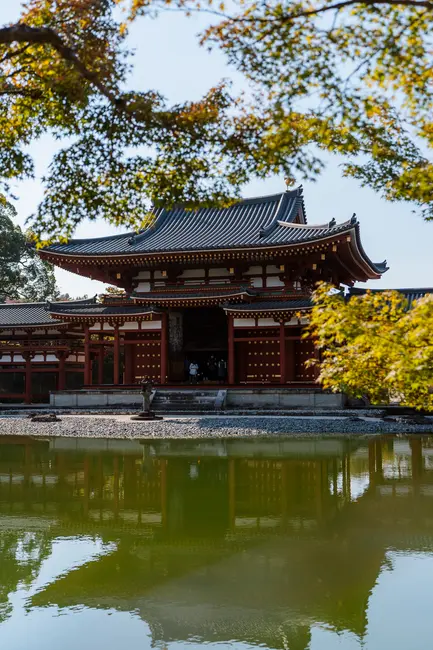
Uji makes for an easy, worthwhile day trip from Kyoto. Less than 30 minutes by train, this riverside town is famous for two things: matcha and temples. It's where your favourite matcha latte probably came from, and it's home to Byodo-in Temple (yes, the one on the ¥10 coin). The crowds are lighter than in Kyoto, the scenery is gorgeous, and you'll get to sip tea in the oldest tea house in Japan while overlooking the oldest bridge in Japan. There is plenty of matcha to be had, temples to be visited, and architecture to be appreciated, but as nice as it all is, you can easily catch the last train back to Kyoto having seen it all.
Day 5: Nara Day Trip Or Flexible Final Day
Your last day in Kyoto. You have options depending on what you're craving.
Option A: Day Trip to Nara (Recommended)


Just 45 minutes from Kyoto, Nara makes a perfect half-day or full-day trip. The main draw: over 1,400 sacred deer roaming freely through the park and temple grounds. They'll bow to you for deer crackers (sold everywhere for about ¥200).
Getting there: Take the Kintetsu Railway from Kyoto Station to Kintetsu Nara Station (about 45 minutes, ¥750). JR trains also run this route and are covered by the Japan Rail Pass.
What to see:
- Nara Park: Where the deer roam. It's surreal and delightful.
- Todai-ji Temple: Home to one of Japan's largest bronze Buddha statues, housed in one of the world's largest wooden buildings. The scale is jaw-dropping.
- Kasuga Taisha Shrine: Famous for hundreds of bronze and stone lanterns lining the approach.
Half-day version: Hit Nara Park and Todai-ji in the morning, then return to Kyoto by early afternoon for final explorations or souvenir shopping.

Option B: Revisit Favorites
Maybe the Philosopher's Path deserves a slower second walk. Maybe you want another crack at Fushimi Inari with better light. Maybe Pontocho is calling you back for one more evening stroll. Use this day to revisit whatever left the best impression on you.

Option C: Hidden Temples & Quieter Corners
If you've had enough of the major sights, seek out lesser-known spots:
- Ryoan-ji: Famous for its minimalist rock garden: 15 stones arranged so you can never see all of them at once from any angle
- Daitoku-ji: A complex of Zen temples with beautiful sub-temples, most tourists overlook
- Kurama or Ohara: Mountain villages north of Kyoto with hot springs, hiking trails, and almost no crowds
Evening: Final Kyoto Dinner
Make your last meal count. A few ideas:
- Kaiseki dinner: Kyoto's famous multi-course traditional meal. It's a splurge, but this is the city where the art form was perfected.
- Return to a favourite: Sometimes the best last meal is going back to somewhere that surprised you.
- Convenience store picnic by the Kamogawa River: Grab onigiri, snacks, and drinks from 7-Eleven, find a spot along the riverbank, and watch sunset paint the sky one last time. Kyoto's scenery makes even a convenience store haul feel special.
Getting to Kyoto


Kyoto is well connected to Tokyo, Osaka, and most major Japanese cities through all of Japan's typical transit options. Prices are updated as of November 12, 2025. For up to date prices and an easy way to see if a JR pass is worth it on your trip use this calculator.
By Shinkansen (Bullet Train)
This is the fastest and most iconic way to travel in Japan. The trains are spotless, silent, and almost always on time.
- From Tokyo - 2 to 2.5 hours (¥14,000) ($90 USD)
- From Osaka -15 to 30 minutes (¥1,450 or $10 USD with a seat reservation) (¥670 or $5 USD without a seat reservation)
- From Hiroshima - About 1.5 hours (¥11,500 or $75 USD)
If you have a Japan Rail Pass, all these routes are fully covered, which makes long-distance travel between major cities affordable. Kyoto Station is huge (basically the size of a small town) with easy transfers to local trains, subways, buses, and taxis once you arrive.
By Regular Train
If you’re travelling without a Rail Pass, regular express or rapid trains are slower but cheaper.
- From Tokyo - Around 7 to 9 hours and usually requires a few transfers. (¥8,000 to ¥9,000 JPY) ($50 to 60 USD)
- From Osaka - About 1 hour on the JR Kyoto Line or Hankyu Line. (¥500 or $3.5 USD)
- From Hiroshima - Not an option on local trains.
These trains are a good option if you’re travelling short distances or exploring smaller towns between major cities.
By Bus
Overnight and highway buses are the best option for travellers on a tight budget.
- From Tokyo to Kyoto - 7 to 9 hours (¥5,000 to ¥8,000) ($30 to $50 USD)
- From Osaka to Kyoto - 1.5 to 2 hours (around ¥3,000) ($20 USD)
Buses are slower, but many offer reclining seats, Wi-Fi, and overnight routes that save you a night’s accommodation.
By Air
Kyoto doesn’t have its own airport. The closest is Osaka’s Kansai International Airport (KIX), which is about 75 minutes away by train or airport limousine bus.
Before You Go
Don't Leave Home Without Travel Insurance
We never leave the country without our safety wing coverage activated. Whether it's a missed flight, a lost bag, or a serious medical evacuation Safety Wing offers an irreplaceable peace of mind. Our favourite part is we can pause it with the click of a button when we're back in Canada and turn it back on just as easily when we're back on the move.
Where to Eat in Kyoto
Kyoto Engine Ramen
Amazing ramen, cozy space, and an open-concept kitchen so you can watch them whip up your meal. The broth is rich, the noodles are perfect, and the whole experience feels personal, with the open concept kitchen where you can see them whipping up endless bowls of ramen.
Best For: Ramen lovers, casual dinners
Falafel Garden (Demachiyanagi)
A great vegan/vegetarian spot that's a welcome break from traditional Japanese fare if you're a bit further into your trip and craving something different. Laid-back vibe, hearty portions, and really good falafel.
Best For: Vegetarians, vegans, anyone needing a break from rice and noodles
Yudofu Sagano (Arashiyama)
If you're doing an Arashiyama day trip, this is the spot. It's a classic Buddhist tofu set meal. Light, peaceful, and definitely a cultural experience. The tofu is made fresh, and the setting is serene.
Best For: Traditional Japanese dining, Arashiyama day trips.
Convenience Store Picnics
Grab onigiri, drinks, and snacks from 7-Eleven or Lawson and head to a riverbank or park. Kyoto's scenery turns even a convenience store haul into a cute date. The Kamo River is a popular picnic spot, especially in the evening.
Best For: Budget meals, spontaneous snacks, riverside hangs.
Where to Stay in Kyoto
Gion
The most atmospheric area in town. Traditional wooden buildings, cobblestone streets, and geishas walking around. It's touristy, yes, but still magical, especially at dusk. Expect to pay a bit more here.
Two top-rated options:
Best For: First-time visitors who want the classic Kyoto experience.
Higashiyama
Quiet and full of charm. Right near lots of Kyoto's best temples, walkable, peaceful, and feels like the Kyoto you see in the movies. Great base if you're here to soak up culture.
There are a few options here for more budget-friendly options, entire guesthouses, and upscale options.
Best For: Temple lovers, people who want charm and convenience.
Kyoto Station
More modern and central. Great transport links if you're planning day trips or want convenience over atmosphere. Less charm, more efficiency.
There are lots of standard large hotel options here:
Best For: Travellers prioritizing convenience and easy access to trains
Ryokan in the North (Kurama or Ohara)
If you want something peaceful and traditional, look for stays near Kurama or Ohara. These areas are quieter and less touristy, but they're not as convenient for exploring the city center.
Best For: People who want a traditional ryokan experience and don't mind being outside the main tourist areas
Best Times to Visit Kyoto
Spring (Late March to April)
Cherry blossoms! Kyoto gets busy, but the blooms around temples and along rivers are worth the crowds. The Philosopher's Path and Maruyama Park are particularly stunning.
Pros: Cherry blossoms, perfect weather
Cons: Peak crowds, higher prices
Fall (November)
Maple leaves turn fire-red, especially in the mountains and temple gardens. A photographer's dream, and our favourite time of year to visit. We pick it above cherry blossom season because the fall foliage comes at a more predictable time and sticks around a bit longer. Less of a game of chance.
Pros: Stunning colours, great weather, fewer bugs than summer
Cons: Still crowded, but not as bad as spring
Winter (December to February)
Chillier and quieter. The temples under a dusting of snow are surreal. Just dress warm, because it gets cold at night. We haven't been in winter, but we want to. Looks like it would be a winter wonderland.
Pros: Fewer crowds, snow-covered temples, peaceful
Cons: Cold, some outdoor activities are less appealing
Summer (June to August)
Hot and humid, but Kyoto comes alive with festivals. Gion Matsuri in July is the big one. It consists of massive parades, traditional floats, and street parties. We avoided summer because we can't handle that kind of heat, but if you're into festivals and don't mind sweating, it's a great time to visit.
Pros: Festivals, lively atmosphere
Cons: Oppressively hot and humid
Final Thoughts

Kyoto is a city that manages to feel both timeless and relevant. Yes, it's crowded. Yes, some of the temples feel like conveyor-belt tourist experiences. But when the light hits the golden pavilion just right, or when you find yourself alone on a quiet temple path, or when you're sitting by the river with convenience store snacks watching the sun set, you will see exactly why so many people come here.
Take your time, pick your spots carefully, and don't try to see everything. Kyoto rewards slow exploration and spontaneous detours more than checklist tourism. And if the crowds get to you, remember: there's always a quiet temple, a peaceful garden, or a riverside picnic waiting just around the corner.
FAQ
What are the must-see attractions in Kyoto?
How do I get to Kyoto from Tokyo or Osaka?
When is the best time to visit Kyoto?
What are the best ways to get around Kyoto?
What should I eat in Kyoto?
Where should I stay in Kyoto?
How do I avoid crowds at Kyoto's popular sites?
Our Trusted Travel Partners
We only recommend products and services we personally use and trust.

SafetyWing
Travel medical insurance for nomads and remote workers
Booking.com
Find the best deals on hotels, apartments, and vacation rentals
AllTrails
Discover hiking trails with detailed maps and reviews
Surfshark
Secure VPN for safe browsing and accessing content worldwide
Get Your Guide
Find the best deals on tours and experiences
Airalo
Prepaid SIM cards for travelers
Trusted Housesitters
Find free accommodation by house and pet sitting worldwide
Wise
Send and receive money internationally with low fees* We may earn a commission when you make a purchase through our affiliate links, at no extra cost to you. We appreciate this support, which helps sustain our blog and allows us to create more content and help more great trips get planned!