
How to Get To Whistler

The classic route is driving yourself: it's about 1 hour 30 minutes from Vancouver along the Sea to Sky Highway, and honestly, it's one of the more scenic drives you'll do in BC. You're hugging Howe Sound for the first while, then climbing up past Squamish with Stawamus Chief looming over the highway, so budget a little extra time if you think you'll want to pull over for photos (you will).
You can check out our Sea to Sky Highway guide that has information about all the great stops along the way.
If you don't want to drive, the Epic Rides Bus is the easiest alternative. It runs straight from downtown Vancouver to Whistler Village and drops you right in the heart of Whistler Village. Book ahead in summer though, because seats fill up faster than you'd expect, especially on weekends.
Flying in and needing to get up from YVR? The Sklynx bus will pick you up from the airport and you can ride it all the way to Whistler, or hop off in Squamish. Or you can rent a car at the airport and the drive up will be less than 2 hours if you don't hit any traffic.
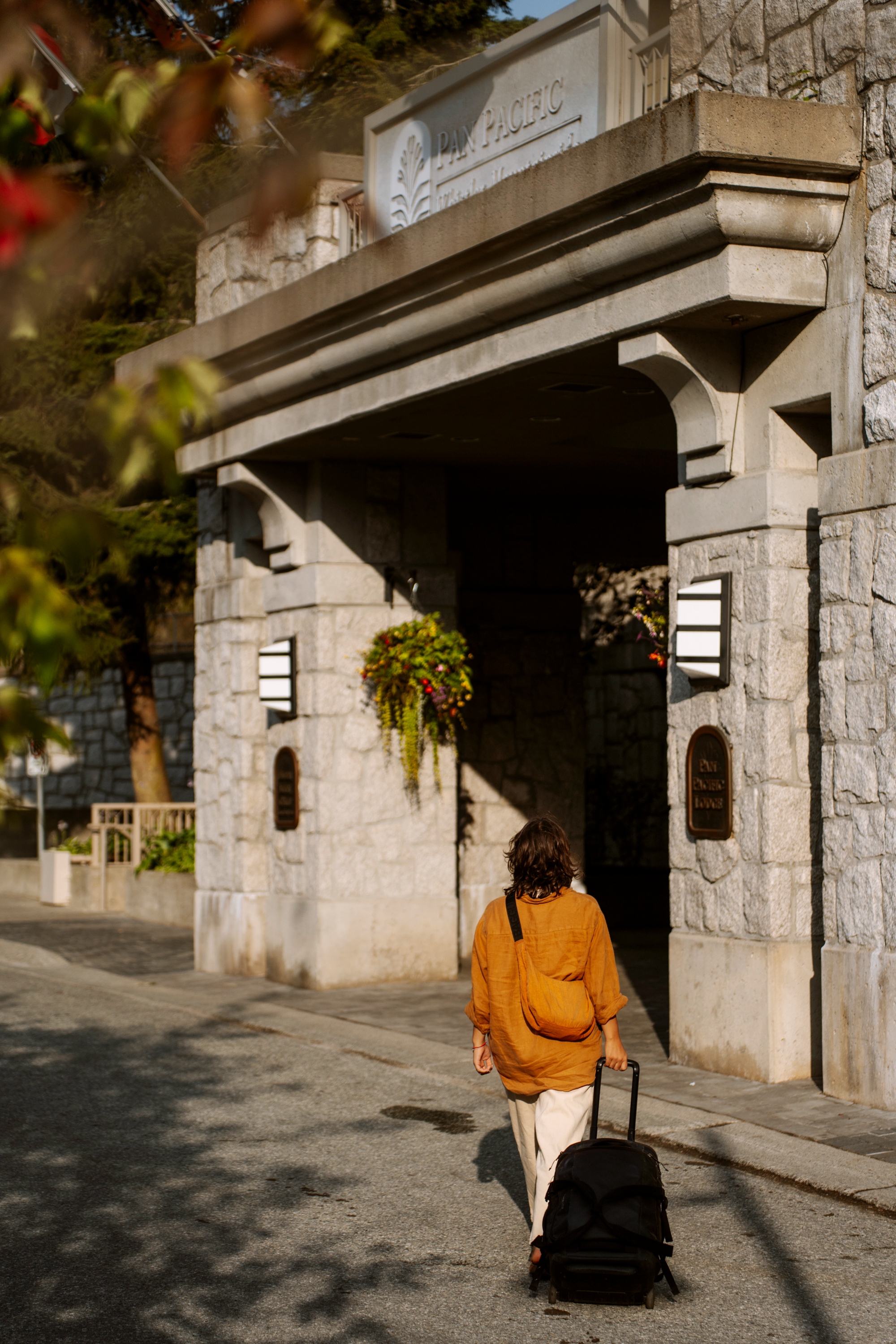
Whistler Accommodation Guide: Where to Stay in Whistler For Each Type Of Traveller (2026)
Click here for discounts and booking tips!1. Gondola Sightseeing

You don't need a bike to ride up the mountain. Grab a sightseeing pass and let the gondola do the work of over 1,500 metres of vertical gain for you.
This is one of the best experiences available in Whistler, especially on a clear weather day, where you can see the ocean of mountain ranges spreading out in every direction. I have an annual pass and I take everyone who comes to visit me up the gondola and without fail it's the highlight of their visit.
But it is pricey. It's not prohibitively expensive, but it's definitely one of the more costly options on this list. If you're not sure it's worth it for you, check out our Is The Whistler Gondola Worth It guide. It goes over everything there is to see and do at the top, and free alternatives if you're trying to keep your trip on a tight budget.
Some of the highlights at the top are:
Roundhouse Lodge This is your landing pad at the top of Whistler Mountain, and it's worth taking a few minutes just to get your bearings before heading out on foot. Grab a coffee, take in the view, and use it as your jumping off point for the alpine trails.
Cloudraker Suspension Bridge Up at the peak of Whistler Mountain, this suspension bridge stretches across a rocky ridge with some seriously exposed views. It's free once you're up top, and standing on the bridge with the massive void below you is one of those things that photos never quite do justice.
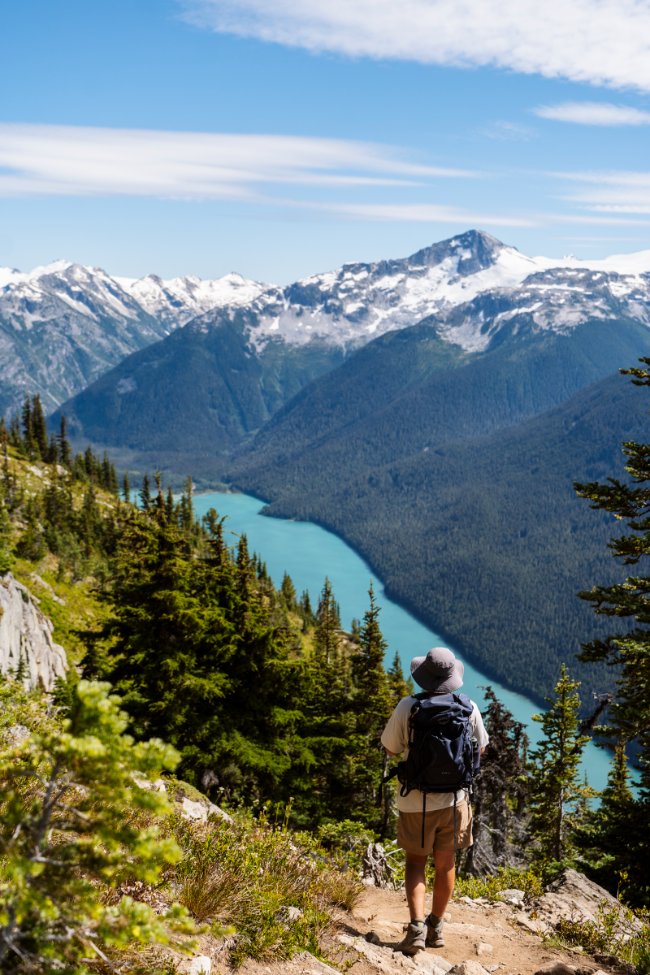
Alpine Hiking Once you're up there, you've got options. High Note Trail is our go-to. We hike it every year and it never fails to impress us. The Half Note Trail is a shorter and easier trail, but you miss some of the best views. There are a few other trails on Whistler, and several more on Blackcomb Mountain as well. Check out our full Whistler Blackcomb Alpine Hiking Guide for the details on them all.
2. Ride The Peak 2 Peak

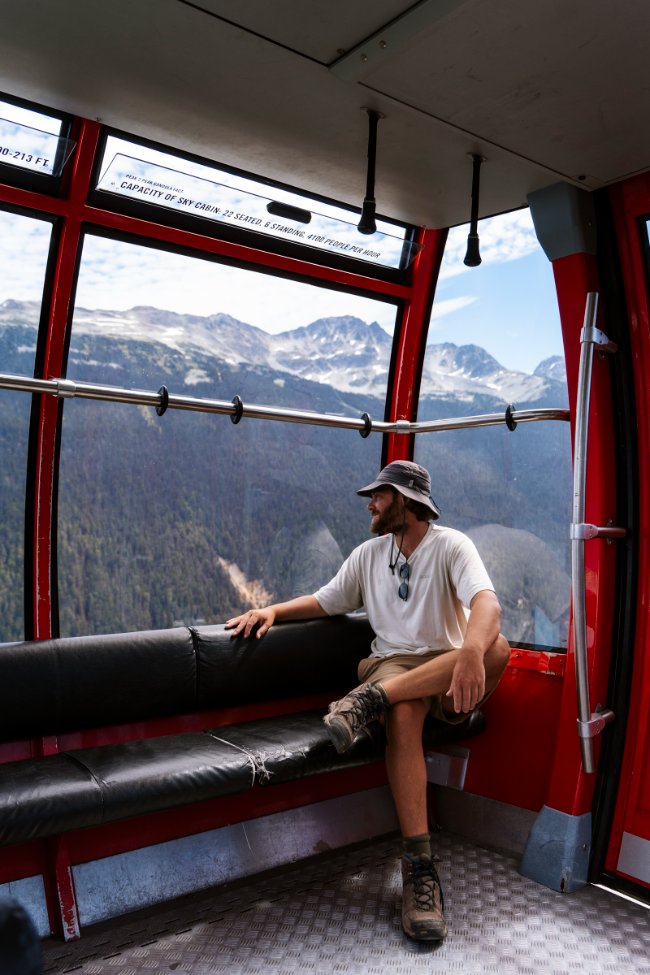
Once you're up top, don't just ride one gondola and call it a day. The Peak 2 Peak connects Whistler and Blackcomb mountains directly; no need to go back down and up again, and it's included with your sightseeing pass, so there's no reason to skip it (unless you're seriously scared of heights).
Sightseeing passes and season passes can be purchased online here for the guaranteed lowest price.
The numbers on this thing are a little absurd. It's the longest unsupported span of any lift system in the world, stretching over 4.4km between the two mountains, with the cabin hanging more than 400 metres above the valley floor at its highest point. There's a reason it shows up on "world's most impressive engineering" lists that have nothing to do with skiing.
Some of the cabins have glass floors, which is either the best or worst part of the ride depending on how you feel about heights. I've had friends visit and refuse to look down the entire way across, and others who spent the whole ride lying on the floor taking photos straight down through it.
Practically speaking, it also just makes your day easier to plan. Do your hiking on Whistler, ride over to Blackcomb for a different set of trails or the Blackcomb Ski Museum near the base, and you haven't lost any time backtracking through the village. Check out our full Whistler Blackcomb Alpine Hiking Guide if you want help figuring out which side to spend more of your day on.
3. Go To The Lake


I've been lucky enough to do a lot of amazing things around Whistler over the years. I spent a summer in my 20s riding the bike park every day; I've done some bucket-list-worthy backcountry camping trips more recently, and after all that, some of my simplest lake days still rank right up there with the bigger, more challenging alpine days.
Whistler's lakes are all amazing, but each have their own personality, so you will want to match the lake to the kind of day you're trying to have.
Rainbow Lake: Technically the north end of Alta Lake, Rainbow Park is the built-up side with proper washrooms, covered picnic areas, playgrounds, plenty of parking, and multiple docks to jump from. It is family-friendly, and it's an easy add-on after a hike up the Rainbow Falls trail.
The parking at Rainbow Park is paid and fills up in the summer, so I would suggest taking the free shuttle from the village instead.

Lost Lake: The summer classic, and for good reason. It's touristy, and it gets busy, but it has a free shuttle right from the village. There's a sandy beach and several floating docks. The few docks closest to the shore are neutral, and of the two further out, one is the designated dog dock, and one is the designated nude dock.
The parking lot here is small (like maybe 10 cars small), so in the summer they designate it pick up and drop off only, meaning you need to grab a ride in with someone who isn't going to join you at the lake, or just hop on the free shuttle from the village.
Green Lake: This one is a bit better to look at rather than swim in. It's a gorgeous lake, and definitely the coldest of them all. This is my go-to lake for a paddle board or canoe ride, and I save the swimming for Lost or Alta. Be careful if you do get out on the water, because there are seaplanes that land here frequently, and it's not fun to be paddling frantically out of their path.
Alta Lake is Whistler's largest lake, split between Rainbow Park on one end and the Blueberry Docks on the other. Blueberry tends to be the younger, livelier crowd with music and a few beers, while Rainbow is more of a family scene. Either way, there's plenty of shoreline to spread out.
Nita Lake: The smallest of Whistler's lakes, and one of the quieter ones too, tucked into Creekside away from most of the day-trip crowds. There's a public dock a short walk from the private one at Nita Lake Lodge, so you don't need to be a guest to get out on the water. Bring a book, dip your toes in, or paddle out on a SUP. It's not the most impressive lake on this list, but you have a much better chance of having it to yourself.

Nita Lake: The smallest of Whistler's lakes, and one of the quieter ones too, tucked into Creekside away from most of the day-trip crowds. There's a public dock a short walk from the private one at Nita Lake Lodge, so you don't need to be a guest to get out on the water. Bring a book, dip your toes in, or paddle out on a SUP. It's not the most impressive lake on this list, but you have a much better chance of having it to yourself.
Alpha Lake: The most family-friendly lake on this list, tucked into Creekside on a small lake with none of the parking headaches you'll deal with elsewhere; parking here is free. The lakefront park is well developed: a sandy beach, a land-connected dock plus several floating ones further out, proper washroom facilities, a playground, and a food truck parked nearby for snacks and drinks. It's not the biggest or busiest lake around, but if you've got young kids and want an easy day with no logistics to plan around, this is the one.
4. Go For A Hike


I've been hiking the trails in and around Whistler now for years, and I've still just scratched the surface of what there is to explore around here. I've done mostly all of the most popular ones now, but I'm still hearing about new routes all the time.
If you're just here for a short visit, I wouldn't worry about trying to find any of these 'secret' or 'locals only' trails. The big names are popular for a reason, and generally they have a way bigger payoff than the local secret trails. Here are a few of my favourites:
Alpine Hikes: Some of the best hikes in Whistler start with a ride up the Gondola. There is a whole trail network running through both the Whistler and the Blackcomb alpine, and the trails range from casual strolls to intense alpine objectives. Check out our full alpine sightseeing guide for the full breakdown.
Lost Lake Loop: A flat, 1.7 km loop around the lake that's about as low-effort as hiking gets. Perfect for a casual morning or an easy add-on after a swim.
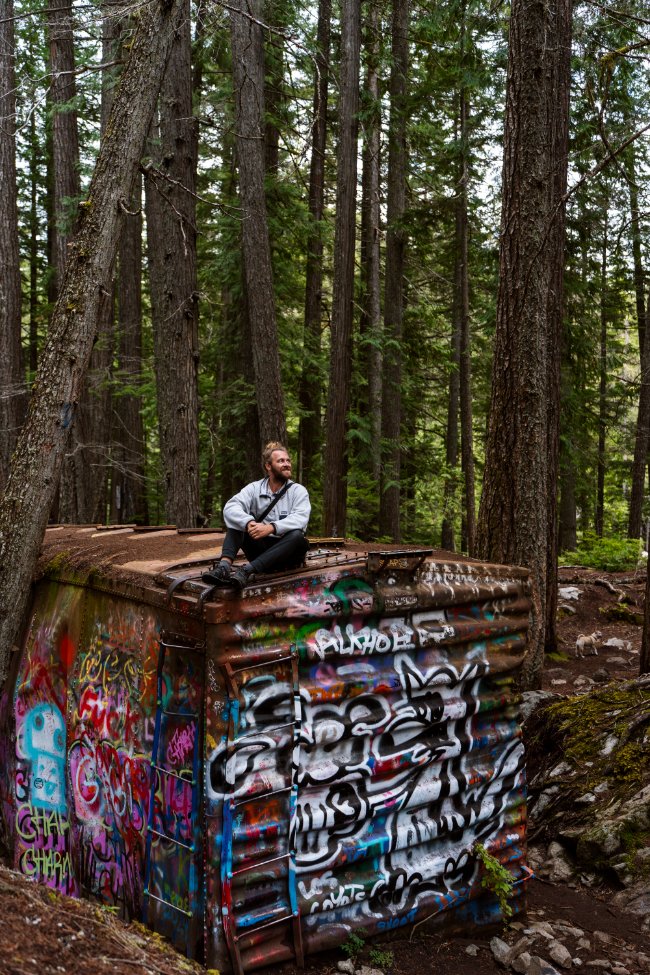
Train Wreck: An easy 2 km walk through mossy forest to seven graffiti-covered train cars that derailed back in the 1950s and have been an evolving open-air art gallery ever since. There's a suspension bridge over the Cheakamus River along the way, and it's a great option even on a grey, drizzly day.
Wedgemount Lake: One of the tougher hikes on this list, this one's a steep climb up to a glacier-fed alpine lake with a backcountry campsite at the top. Plan for a full day and bring more water than you think you need.
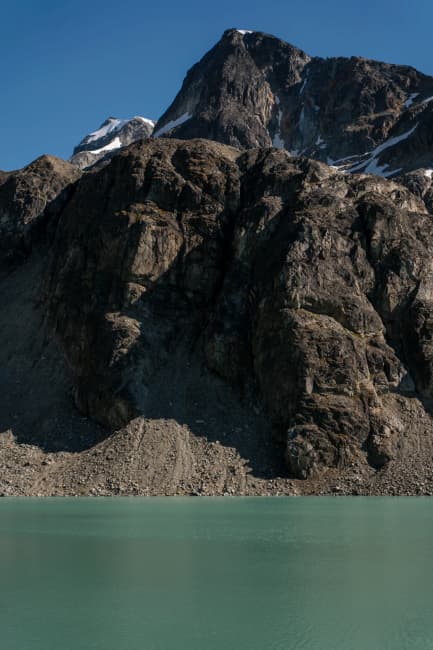
Rainbow Lake: A proper alpine hike up to a lake tucked into the mountains behind Alta Lake, with a solid chunk of elevation gain along the way. It's a longer day than most on this list, but the payoff at the top makes it worth the effort.
Rainbow Falls Loop: If Rainbow Lake feels like too much of a commitment, this is the pared-down version. 2.4 km with about 144 m of gain, and you're done in an hour. A solid way to get a taste of the same trail system without giving up your whole afternoon.
Madeley Lake: In the same area as Olympic Park. To get here you will need to head down Callaghan Road towards Alexander Falls. Stopping at the falls is a quick and well worth it detour. Past the falls follow the Callaghan Country sign. Once you’ve arrived you can do the walk around Madeley Lake, or do a longer hike to Beverley Lake or Rainbow Lake.
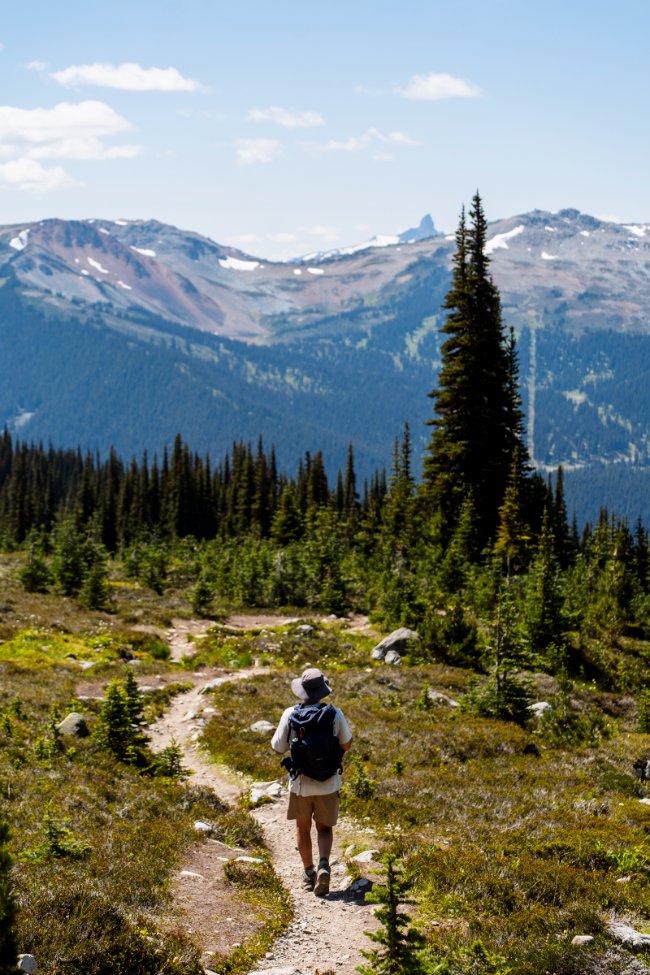
5. Whistler Farmers Market

Running Sundays (and select Saturdays) from May through October in the Upper Village, this market has local produce, baked goods, crafts, and live music all in one spot. Even if you don't end up buying anything, it's worth wandering through for the atmosphere alone.
6. Audain Art Museum

A striking piece of architecture on its own, the Audain houses one of the best collections of British Columbian art anywhere, including significant Indigenous Northwest Coast pieces and works from Emily Carr. A good option if you want a slower-paced afternoon that isn't about hiking or swimming.
7. Brandywine Falls


Brandywine has an incredible effort-to-payoff ratio. Sure, there are more impressive sights tucked deeper into the Coast Mountains, and yes, this is a pretty "on the rails" viewpoint, but you park in a big paved lot right off the highway, and the walk in is short and mostly flat. One of the easiest stops you can make, and it ends at an incredible viewpoint above a 70-metre waterfall dropping into a volcanic canyon.
There are informative signs scattered along the path, and I remember them being interesting, though I couldn't tell you a single fact from them today. Next time I pass through, I'll actually take notes and update this.
It's also one of the most impressive accessible nature attractions on the whole highway. If anyone in your group has mobility issues that would keep them from getting deep into the wilderness elsewhere, this is a great spot to bring them instead. Realistically, you are deep in nature here; there just happens to be a highway running next to it.
Time needed: 45 to 60 minutes.
If you're driving up from Squamish (or Vancouver), this is one you don't need to save for a dedicated day trip. It sits right along the Sea-to-Sky Highway between the two, so it makes a natural stopover on your way into Whistler rather than a separate outing. Pull off, do the short walk, and you'll be back on the road in under an hour with barely a dent in your travel time.
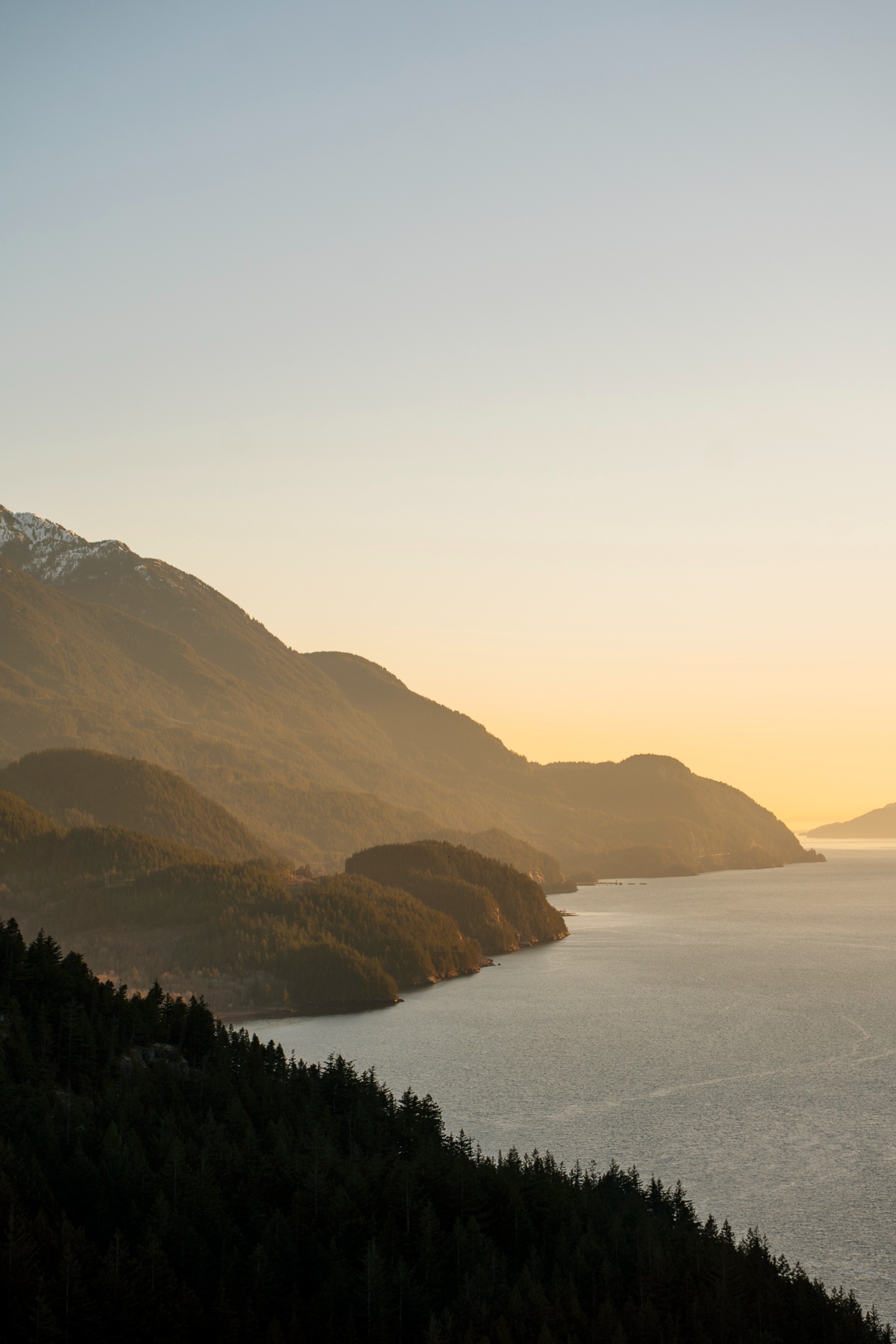
8. Day Trip To Creekside


Creekside is Whistler's quieter, older side, with the same mountain access, same lift lines up the gondola, but a fraction of the foot traffic you'll fight through in the main village. It's a mini-Whistler in almost every way, except it's actually the original village, before the resort grew north into what most people picture when they hear the name.
Nita Lake: A small lake, but a great one for a swim or a paddle. There's a public dock a short walk from the private one at Nita Lake Lodge, so you don't need to be a guest to get out on the water.
Ed's Bread: My typical Creekside visit is a stop at Ed's Bread for a coffee and something sweet, then a quick lap through the village before taking it all over to the docks behind Nita Lake Lodge to eat lakeside.
Beyond those two, there's enough here to build a whole afternoon around. Dusty's is the go-to patio right at the base of the gondola, and a nice spot to post up after a day out. And if you just want a cheap, easy bite, Creekside Market, the local grocery store, has a surprisingly solid hot-to-go section: wraps, samosas, sandwiches, sausage rolls, and a rotating set of soups.
If you've already been to Whistler a few times and the village is starting to feel repetitive, Creekside is a fun way to switch it up.
9. Alexander Falls

Alexander Falls is one of Whistler's most spectacular waterfalls, and one of the least visited, tucked out in the Callaghan Valley near the site of the 2010 Olympic Nordic events. It drops an impressive 43 metres over three sections, up to 12 metres wide at its widest point, fed by Madeley Creek and the network of rivers and creeks running through the valley.
The easiest part is getting there. Unlike Brandywine, there's no walking or hiking required at all; the viewing platform sits right next to the parking lot, so you can pull up and be looking at the falls within a minute or two.
This wasn't always the case. Before 2010, the only way in was via a rough forest service road followed by a walk out to a rough viewpoint. The Olympics changed that, paving the road in as part of opening up the valley for Nordic events, and access has been easy ever since. Given how new that ease of access still is in the grand scheme of things, don't be surprised if this one gets busier over the next few years, but for now you'll likely have it far more to yourself than Brandywine.
To get there, head south out of Whistler Village on Highway 99 and take the turnoff onto Callaghan Valley Road (the same road that leads to Whistler Olympic Park). Follow it out toward the valley, and you'll find the falls well signed along the way, with a parking lot right at the viewpoint. It's a bit more of a commitment than Brandywine, but nothing that requires a high-clearance vehicle or any real planning beyond the drive itself.
10. Cal Cheak Suspension Bridge


Right across the highway from the Callaghan Road turnoff, tucked in just past the entrance to the Cal Cheak recreation site, this one's easy to miss if you don't already know it's there. There's no official trailhead or signage pointing you in, so the move is to park in the large lot a bit past the start of the trail and just walk back up the road until you pick up the path.
It's a short one, a 25 minute out-and-back covering about 1.6 km with roughly 25 metres of elevation gain, so there's barely any effort involved. The payoff is a suspension bridge strung across the Cheakamus River, with the water rushing beneath you and a solid stretch of forest on either side. It's the kind of stop that's easy to fold into a bigger day, whether you're pairing it with Alexander Falls out in the Callaghan or just looking for a quick leg-stretch on the drive up to Whistler.
10. Vallea Lumina
Vallea Lumina is a nighttime, multimedia walking trail through the forest near Cougar Mountain, blending lighting effects, soundscapes, and interactive storytelling into something that sits halfway between a hike and a show. It runs year-round, starting after sunset, so the actual start time shifts with the season, as late as 10 pm in the summer when the days stretch out, and as early as 5 pm in the winter.
The summer course is 1.5 km with moderate inclines and a few sets of stairs, running 45 to 60 minutes depending on your pace. Because of those stairs, strollers aren't allowed on course (baby carriers work fine, and strollers can be left at basecamp), and it's not the easiest fit for guests with mobility limitations, though there are benches along the way to rest. Dress for the weather; closed-toe shoes are a must, and skip the umbrella since it's not permitted on course. The show runs rain or shine, and only gets called off for actual thunder or lightning.
A few things worth knowing before you go: the show includes strobe lighting, so it's worth planning around if anyone in your group is sensitive to that. And getting there is part of the logistics too; there's a complimentary shuttle between the Whistler Village Gateway Bus Loop and the Cougar Mountain basecamp, but you'll need to book it in advance. Parking on-site is limited, so unless you're taking a taxi, the shuttle is really the way to go.
Since it only runs in the evening, it's a good one to pair with a day that already has you out on the trails, hike or lake time during the day, then finish it off with Vallea Lumina once the sun starts going down.
12. Go For Coffee


When I was living in Whistler in my 20s, I had several roommates and my room was reminiscent of Harry Potter's spot under the staircase, so when I wasn't at work or in the bike park, I spent a lot of time at the cafes around town, and now, 10 years later, all the really good ones are still open. If you want the full story of the Whistler coffee scene, check out our comprehensive cafe guide. Or, here is a quick breakdown of some of my favourites.
Alpine Cafe: Tucked just off the highway heading into Alpine, this spot has a great morning vibe, a classic breakfast menu, and starts pouring beers later in the day if you stick around. Open early (6:30 am) and late (10:00 pm), so it works just as well for a pre-hike breakfast as it does for an evening pint.
Moguls: Our go-to for a quick coffee and a wrap or sandwich before heading out to do something more active. Nothing fancy, but reliable, and it's a village staple; you'll see half of Whistler walking around with one of their cups.
Lift Coffee Company: Right next to the Whistler Gondola, which makes it the obvious grab-and-go stop before heading up the mountain. Opens at 7 am, so the timing lines up well if you're trying to catch an early lift.
Purebread Bakery: Whistler's original location, before it expanded to Vancouver, and still the one most people mean when they say "let's grab a Purebread." Known for banana bread, cookies, and custard-filled danishes. It's become enough of a name that lines can get long in peak season, but it's generally worth the wait.
Rockit Coffee Co: A solid pick if you're spending time in Creekside rather than the main village, cozy, a bit quieter than the village spots, and known for breakfast sandwiches and danishes alongside a decent lunch menu.
BReD: The same bakery behind the loaf you'd grab for a lakeside snack at Nita Lake, but it's also one of the better coffee stops in its own right. Expect a line in peak season; this one's earned its reputation.
If you're staying further out in Alpine Meadows, Cranked Espresso Bar is worth trying alongside Alpine Cafe; both are low-key, no-frills spots rather than the polished village cafes.
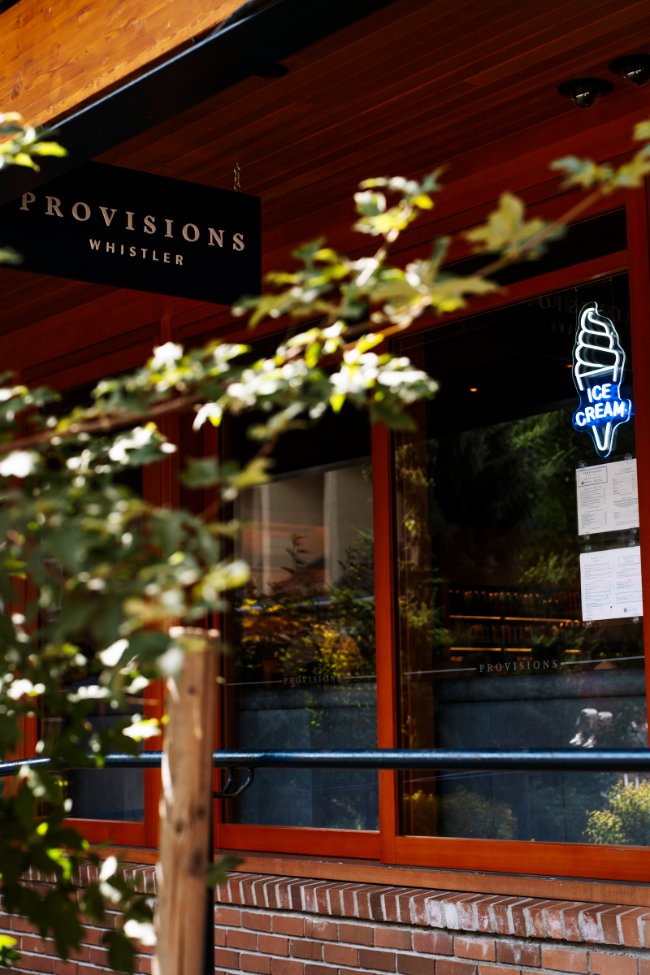
13. Dinner In The Village

The Village Stroll is built for wandering, and there's a restaurant for basically every mood. Whatever kind of night you're after, you'll find it within a few blocks. If you're not worried about a specific menu, I prefer to just wander the stroll and let the smells and the vibes lead me to whatever patio seems right, but if you like to plan ahead, here are some of the places I end up going to most often:
La Cantina Tacos: Our regular. Order at the counter, eat on the patio, self-serve sauces, casual Mexican fare done well. It's our default pick after a full day out, when we don't feel like sitting through a whole sit-down meal.
Earls A solid, reliable meal if you want something a step up from casual without committing to a full night out. It's a chain, but a good one, and the menu has enough range that it's an easy pick when the group can't agree on a cuisine.
Rimrock Cafe: This is where we go when we want to dress up a little and make an evening of it. Rimrock leans seafood and steak with a proper wine list. This is an elevated experience overall, not pretentious, just a step above your last meal.
Araxi: If we're going all out, this is the pick. Whistler's benchmark for true fine dining, an oyster bar, a serious wine program, and the kind of meal you build a whole evening around rather than fitting in after a day of activities.


Here are a few other suggestions that a lot of tourists miss, because they're just a little bit off the main stroll.
Pizzeria Antico: Authentic Italian-style pizza, pasta, and other classic Italian staples. They do a great happy hour and the thin crust pizza is a big level up from the no frills by the slice styled places throughout the village
Pasta Lupino: A cozy and casual eatery that serves up handmade pasta and pizzas. It is a small space and easy to miss, but the food is some of the best in town, and you can pick up some of their handmade pasta or sauces to take home with you from their little grocery section.
Portobello: This is a low-key option that a lot of people miss since it's over in the Upper Village off the main village stroll, tucked into the lower lobby of the Fairmont Chateau Whistler. It's part bakery, part coffee counter, part smokehouse, so you can pop in for just a coffee and pastry or stick around for a full meal, made-to-order sandwiches, rotisserie chicken, smoked brisket, and ribs from the open kitchen. There's also a solid rotating local craft beer list if you're swinging by later in the day.
It's first come, first served during operating hours, so no reservations; you just walk up, order at the counter, and grab a table (or take it to go) rather than waiting to be seated. It's an easy stop whether you're grabbing a quick bite between runs or want to sit down for something more substantial
Whistler Accommodation Guide: Where to Stay in Whistler For Each Type Of Traveller (2026)
Click here for discounts and booking tips!14. Relax At The Scandinave Spa
Back when I lived in Whistler and worked as a server and spent all my money on beers and bike parts, this was a spa experience that I always saw as out of my reach, but that 'one day' when I was a real grown-up, maybe I'd get to visit.
I don't know if I qualify as a real grown-up yet, but I have managed to visit several times now that I live just one town over, and it was worth the wait.
The Scandinave Spa is an outdoor hydrotherapy circuit of hot tubs, saunas, and cold plunges tucked into the forest just north of the village. It's a great one for a rainy or shoulder-season day, but honestly works just as well as a way to recover after a big hiking day in summer.
The circuit itself follows a simple rhythm: hot, cold, rest, repeat. You move between the various hot pools and saunas, plunge into the cold pools or the Scandinave shower in between, then wind down in one of the relaxation areas: hammocks strung between trees, lounge chairs by the fire pits, or the quiet room if you actually want silence. It's designed to be done at your own pace, so there's no schedule to follow; just keep cycling through until you feel done.
It's an adults-only spa, and it runs on a strict quiet policy throughout the whole site: no phones, no loud conversation, so it's genuinely one of the more peaceful things on this list. Booking ahead matters here too; spots are limited, and it fills up fast on weekends, so reserve a time slot before you show up rather than hoping to walk in.
You can get the guaranteed lowest price online here.
15. Float The River of Golden Dreams

My first time ever floating the River of Golden Dreams was in my early 20s, during my first Whistler summer. Me and some friends headed out in about half a dozen cheap inflatable boats, the classic Explorer 200s. It ended up being one of the highlights of that summer, and it's still one of my go-to stories when I'm trying to convince someone to spend a full summer up in the mountains.
An ironic memory from that day was floating along with the boys when two kayakers in pretty serious gear told us we were being reckless doing the float in our less-than-professional equipment. We didn't let them kill our buzz and let them paddle on past us. About 30 minutes later, we caught back up with them, and these two experts had capsized and were struggling to recover their kayaks and paddles. Our little gang of underprepared hooligans helped fish their gear out and get them back to shore before continuing on down in our inflatables.
A lot of advice online echoes those two know-it-alls' sentiment, warning that anyone who takes an Explorer out is basically guaranteed a puncture and a long walk home. Renting a proper canoe or kayak is definitely the safer choice, and the best option if you're doing this as a family, but it's not some guarantee against getting wet either. For what it's worth, I still have that same Explorer, and it still works fine.
That said, if you'd rather not test your luck, here's the breakdown of the proper options.
Canoe is the easiest way to do it: rent one right at Lakeside Park along with all the river safety gear you'll need, split the paddling with a friend, pack in some snacks and drinks, and just coast.
A kayak gives you a lower seat and a much closer view of the river ecosystem, wildflower-lined banks, beaver dens, fish, and the occasional black bear sighting along the shore, with a bit more manoeuvrability than a canoe.
Paddleboard is the more athletic option, standing and balancing the whole way down, better suited to people who already have some SUP experience than total beginners.
Whichever vessel you choose (Explorer included), start at Rainbow Park, where there's parking and rental access, and paddle out across Alta Lake before picking up the current into the river itself. Most self-guided trips end at Green Lake, where the local bus takes you back to the village, so there's no need to worry about a car drop or paddling back upstream.
16. Go Off-Roading

Several local outfitters run guided off-road tours into the backcountry around Whistler, taking you to spots you'd never reach on foot or by car. A good pick if you want a different kind of adrenaline than the bike park.
The core of the experience is hopping into a Side-by-Side, a powerful all-terrain 4x4 built specifically for this kind of rugged terrain, and following a guide through creeks, rough backcountry trails, and viewpoints you'd have no way of reaching on your own.
It works whether you want to drive or ride along; pilots get the thrill of handling the vehicle themselves, while co-pilots can just sit back and take in the scenery and keep an eye out for wildlife along the way.
What makes this one worth building extra time around is that your tour comes with a day pass, so you're not just doing the drive and leaving. Show up early or stick around after, and there's a whole slate of extra activities included: the Flora & Fauna Trail for a self-guided nature walk through the forest, plus slacklining, axe throwing, wiffle golf, and other base camp games. It turns what could be a quick hour-long activity into something you could reasonably build a half or full day around.
A few practical notes:
Helmets are provided and Department of Transportation-approved, so you don't need to bring your own.
Lockers are included, so you can stash your stuff securely while you're out on the trail or trying your luck at axe throwing.
Not suitable for kids under 6, and anyone driving needs a valid driver's license, so if you're travelling with young kids, plan on being a co-pilot only, or splitting up so one adult can join while the other watches the little ones.
17. Function Junction Breweries & Cafes


For a long time, while I was living in Whistler, Function Junction was just synonymous with running errands, since the only 2 places I knew about down there were the Lordco and Home Hardware. But more recently, I did a pet sit just across the highway in the Cheakamus area, and I started frequenting the cafes and breweries around here, and I came to realize that it really is a hidden little community.
Function Junction is Whistler's industrial-park-turned-brewery-district, tucked just south of the village on the way in from Creekside, and worth a dedicated stop if you're into local beer. It doesn't show up on most tourist itineraries, which is exactly the appeal: breweries, coffee roasters, and a handful of local businesses with none of the polish (or the crowds) of the village.
Whistler Brewing Company Taphouse: The anchor of the district, and the pick if you want a proper flight or a pint of something brewed right there on site. It's a good spot to post up for a while rather than a quick in-and-out stop. They have a fenced-in roadside patio, and they also have a nice open backyard area that is a great place to hang out for a few hours.
Coast Mountain Brewing: The newer, scrappier sibling to Whistler Brewing down the road, and honestly my personal favourite of the two if you're just looking to sit and drink good beer.
There are a lot of great beer brewers along the Sea to Sky, but Coast Mountain is my favourite. A 4-pack of tall cans is my go-to small gift, and I usually take the opportunity to pick up a cheeky 4-pack for myself while I’m at it.
They have a small patio out front and more seating inside. One neat feature here is the window they have that looks into the room with the actual brewing kettles if you want to see the process while you sip.
Forecast Coffee: If you're passing through earlier in the day rather than looking for beer, this is a solid coffee stop, worth building into the morning before the breweries are even worth thinking about.
Functional Pies: Right in the mix if you time your visit around lunch. Good pizza, casual setup, and an easy way to turn a beer stop into a full afternoon.
The whole area has a low-key, unpretentious feel, more folding chairs and garage doors than polished taprooms, which makes it a nice change of pace from the Village Stroll. It's a good way to spend a late afternoon working through a flight or two before heading back into the village for dinner, rather than a full night out on its own.
18. Zip Lining

Whistler has some of the longest zip lines in North America, running through old-growth forest and across the valleys separating Whistler and Blackcomb mountains. If you want the adrenaline hit without committing to a full day of biking, this is the move, and there are a couple of different ways to do it depending on how much time (and nerve) you've got.
One option runs entirely on Whistler Mountain, five ziplines and four treetop bridges strung through the Fitzsimmons Valley. You'll ride the Whistler Village Gondola up to the launch point, sitting at around 1,000 metres, then work your way down through the course, including a tandem line if you want to fly side by side with whoever you brought along. The last zip drops you right back into the village at the base of the mountain, so there's no need to backtrack.
The other option is more of a one-shot adrenaline hit: a single zipline stretching over 2 km between Whistler and Blackcomb, crossing the Fitzsimmons Valley in one long run. You'll gondola up, shuttle over to the launch area, then fly across before landing near the mid-mountain area and riding the gondola back down. Less of a full circuit than the five-line course, but the sheer length and the views across the valley make it worth doing on its own.
Either way, you're geared up and guided the whole time, so no experience is needed going in, just a willingness to step off a platform a few hundred metres up.
19. Mountain Biking

Whistler Bike Park is the reason a lot of people show up here in the first place. It's one of the most famous bike parks in the world, and if you've ever watched mountain biking videos online, there's a good chance some of them were filmed on these exact trails. Lift-accessed downhill runs, jumps, berms, all built by trail building experts. It's built for people who want an adrenaline hit, know what they're doing, and don't mind a few crashes along the way.
But the bike park isn't the only way to ride here. If lift-accessed downhill isn't your thing (or your budget), there are also free, unofficial trail networks scattered all over the Whistler area that locals use constantly. These aren't part of the resort and won't cost you a lift ticket, just your own leg power. Trailforks is the best resource for finding routes that match your skill level, whether you want an easy cross-country pedal or something a bit more technical.
If even that sounds like more intensity than you're after, there's a guided e-bike tour that's a much more low-key way to see the area on two wheels. You meet your guide, hop on an e-bike, and spend the next couple of hours cruising through some beautiful terrain: an active bear den, three glacial-fed alpine lakes, 500-year-old ancient cedar stands, fishing holes, bird sanctuaries, and beaver lodges.
You'll ride along the River of Golden Dreams down to Rainbow Park, stopping for photos and picking up bits of history and background on the flora, fauna, and geology along the way. It's less "extreme sport" and more "guided nature tour that happens to involve pedal assist," which honestly is exactly what some people want out of a Whistler trip.
A few practical details if you're considering the e-bike tour:
- Duration: 2.5 hours
- Age/size restrictions: 12+
- Max weight: 250 lbs
- Minimum height: 5 feet
- What to wear: closed-toed shoes and weather-appropriate clothing, so no sandals or flip-flops
20. Go Golfing

Whistler has a handful of well-regarded mountain golf courses with the kind of scenery that makes even a rough round feel worth it, with glacier-fed lakes off the fairway and snow-dusted peaks behind every green. It's the kind of backdrop that makes you forgive yourself for a bad slice.
There are several courses within a short drive of each other, each with its own personality:
Nicklaus North is probably the most recognized of the bunch. It's a Jack Nicklaus signature design, and it's the only course in the area that runs along glacier-fed Green Lake, an 18-hole, par 71 course that winds along the valley floor with the mountains right there the whole round.
Chateau Whistler Golf Club sits right in the village and is known for its elevation changes, threading through creeks, ponds, stands of old-growth Douglas fir, and granite rock. It's the most convenient option if you don't want to drive anywhere for tee time.
Big Sky Golf Club is about 30 minutes north in Pemberton Valley, and worth the drive if you want a quieter round. It's designed by Robert Cupp with bent grass tees, fairways, and greens, and the patio at Fescues, the on-site restaurant, is a nice spot for a post-round drink while you watch other groups sweat their way up the closing hole.
A few practical notes:
- The season generally runs from early May to mid-October, weather dependent.
- Book ahead. Tee times fill up fast in July and August, so if you're planning a summer trip, don't leave this to the last minute.
- Most courses include cart rental, and several offer stay-and-play packages if you're bundling golf with your accommodation, worth checking before you book each separately.
21. Go Bear Watching
Whistler's black bear population is one of the highest concentrations anywhere in North America, and one of the easiest and most reliable ways to actually see one (without stumbling across them yourself on a hike, which, no thanks) is a proper guided bear viewing tour.
This particular excursion has been running for 16 years, so these guides know exactly where the bears hang out and when. You head out in a Land Rover in the late afternoon or evening, timed for sunset, with a local nature guide and photographer who does this for a living.
It's part bear watching, part scenic tour. Along the way you're taking in high-elevation panoramic views, waterfalls, glacier-fed lakes, old-growth alpine forest, and wetlands, so even if the bears are being shy that day, you're not just sitting around waiting.
Keep an eye out for other wildlife too, since bears aren't the only thing moving around up there. And if you're into photography, this is one of those tours where it's worth bringing your actual camera instead of just relying on your phone, and the guides are used to helping people get the shot, not just pointing and driving past.
Pick-up is at the Whistler Visitors Centre, so no need to worry about driving yourself up any sketchy back roads in the dark.
22. Play A Round Of Disc Golf
If you have your own discs, disc golf is one of the best free activities in Whistler. I don't have a proper set with drivers and putters, I just have one trusty disc and I don't really know how to use it. But that doesn't really matter, because disc golf is a wonderfully unpretentious sport, and no matter how bad you are at it, you're still just getting a lovely walk around the woods in.
Powerlines is the course everyone talks about, and it's busy pretty much any day it isn't raining. Park at Spruce Grove and wander your way over from there. You've got a lower 18 holes, plus a middle 9 that climbs a steep hill, because of course, this is Whistler; nothing is going to be flat.
The signature holes are the reason people make the trip. One throw sends you up and over a small cliff, and another has you tossing off the top of a hill with Rainbow Mountain and Green Lake spread out in front of you, which is the kind of view that makes you stop caring about your brutal score.
Then there's Hole 18, which I will personally vouch for as a disc graveyard. One bad gust or one slightly off throw and you're watching your favourite disc disappear into the trees, never to be seen again. The course can also be a little confusing to navigate your first time out, so keep an eye on the arrows on each basket; they'll point you toward your next hole so you're not wandering around guessing.
If you're bringing along a beginner, or you personally haven't unlocked those big long throws yet (no shame, we've all been there, and I'm still there), there's a second course south of the village at the RV park near Brandywine Falls. The holes here run noticeably shorter than Powerlines, so it's a much more forgiving place to learn without spending the whole round digging your disc out of the bushes.
I use the U-Disc app because it tracks courses worldwide, keeps score for you, and can even give you a GPS view of the course you're on, which comes in handy the first time you're figuring out somewhere new.
There's also a newer, free course out at Whistler Olympic Park that a lot of visitors don't know about yet. Check in at the Day Lodge for info and a course map, and if you didn't bring your own discs, you can actually rent a set right there too.
23. Take A Helicopter Or Seaplane Tours
For the big-picture view of the Coast Mountains that you just can't get from a hiking trail, a helicopter or seaplane tour is the splurge option. There are a few different ways to do it, depending on how much time and money you want to put toward it and whether you'd rather be in the air or on the water at takeoff.
Glacier Helicopter Tour over Wedge Mountain is the shortest and most affordable of the bunch. You take off from Whistler and climb to 8,000 feet for a quick 14-minute flight around Wedge Mountain, the highest peak in the Garibaldi Range, with views of turquoise Wedgemount Lake and the Wedge Glacier below. Total time including the safety briefing runs about 29 minutes, and you'll want to show up 15 minutes early so you're not the person holding up the group.
Whistler Seaplane Tour: Over Garibaldi Lake & Black Tusk is the one to book if the takeoff itself is part of the appeal. It departs right from Green Lake, so you get the novelty of a proper water takeoff before climbing over the village and into the backcountry. The 30-minute flight takes you past glaciers, alpine lakes, and the legendary Black Tusk, terrain that most visitors never see because it's simply not accessible by road or trail. Seats are limited on each flight, so it books up fast in peak summer.
Whistler Helicopter Tour: Glaciers and Black Tusk is the longer option at 25 minutes in the air (40 minutes total with check-in and briefing), and it covers the most ground. You fly over the village and the Peak 2 Peak gondola first, then into Garibaldi Provincial Park for close-up views of Cheakamus Glacier's blue crevasses, Garibaldi Lake, and Black Tusk again from a different angle.
The Summit Helicopter Scenic Flight is a good middle option if you want solid views without committing to the longest flight. You board right at the Whistler Heliport and climb to 7,000 feet for a 24-minute flight with onboard commentary from your pilot the whole way, so you actually know what you're looking at instead of just guessing.
You'll get turquoise-green views of both Garibaldi Lake and Cheakamus Lake, plus mountain scenery over Blackcomb Glacier Provincial Park, including Black Tusk from yet another angle. Total time is about 39 minutes once you factor in the safety briefing, and same deal as the others: arrive 15 minutes early.
All three run through licensed local operators, and all three fill up quickly in July and August, so if this is on your must-do list, book it before you land in Whistler rather than trying to sort it out once you're here.
24. White Water Rafting
The Green and Cheakamus Rivers offer a range of rafting trips depending on how much whitewater you're after, from mellow scenic floats to bigger rapids for thrill seekers. But if you want the real adrenaline version, the one locals actually talk about is the Wet & Wild Elaho Exhilarator, and it delivers exactly what the name promises.
This one's for people chasing Class 3-4 rapids, not a lazy float. Your guides teach you how to handle big waves and catch air as you make your way down the Elaho and Squamish Rivers, and at some point you'll pass through the infamous "Devil's Elbow," a rapid section famous enough that it's shown up on TV's Eco-Challenge Adventure Race. Depending on water levels, there's even a chance to swim through some smaller rapids, which is equal parts fun and mildly terrifying as everyone in the boat scrambles to keep from falling out.
What sets this trip apart from a lot of other rafting excursions is how much wilderness you actually cover, roughly 10 miles of it. Between the rapids, you'll pass through old-growth forest, dormant volcanoes, and towering glaciers, with waterfalls dropping hundreds of feet toward the river. Keep an eye on the banks too; deer, beavers, and, if you're lucky (or unlucky, depending on how you feel about bears), the occasional bear sighting isn't unusual.
Once you're off the water, you're brought back to the rafting base at the Executive Suites Hotel & Resort, where there's a full-service restaurant and a licensed outdoor patio, a good spot to sit back, relive the run through the photos and GoPro footage, and let the adrenaline wear off before heading back into town.
You can book this one with departures from either Vancouver or Whistler, so it's worth checking which pickup point works better for your day.
25. Axe Throwing

Not every Whistler activity needs to involve a mountain. Axe throwing is one of those things that sounds slightly ridiculous until you're actually holding an axe, and then it becomes weirdly addictive.
You don't need any experience to show up. A coach walks you through the basics first: safety, one-handed throws, two-handed throws, and how the games work, so even if you've never thrown anything sharper than a frisbee, you'll be fine. If you have done it before, you can skip ahead into the tournaments and games instead of redoing the basics.
It's a solid group activity too. Bring friends, bring family, bring whoever you're travelling with; honestly, bring a first date if you're feeling bold, it's the kind of shared, slightly chaotic activity that breaks the ice fast. In about an hour, you go from never having picked up an axe to actually landing bullseyes, which is a surprisingly satisfying feeling.
It's also a good rainy-day backup, or something to slot in for an evening after a big day out on the trails, since it's indoors and doesn't require any real physical prep.
26. Day Trip To Pemberton

A short drive north of Whistler, Pemberton has a slower, more agricultural feel with local farm stands, breweries, and its own set of trailheads and lakes. It's worth the drive if you want a taste of life just past the resort bubble.
The drive itself is only about 30 minutes from Whistler Village, so this is an easy half-day or full-day add-on if you've already got a few days built into your trip and want a change of pace.
Where Whistler is all resort energy, Pemberton feels like an actual farm community; the valley is full of working farms, and depending on the time of year, you can pull off for fresh produce, honey, or berries straight from the source at one of the local farm stands.
It's also become a bit of a low-key craft beverage stop, with a handful of breweries and distilleries worth building a stop around if that's your thing, good patios, and none of the Whistler crowds.
If you're up for getting outside while you're there, Pemberton has its own trail network that's quieter and less trafficked than what you'll find around Whistler, a nice option if you want a hike without the crowds. There's also Nairn Falls, one of the more popular short hikes in the area, an easy trail that pays off with an impressive waterfall.
For the full rundown on where to eat, what to see, and how to spend the day, check out our complete Pemberton day trip guide.
27. Joffre Lakes


One of BC's most photographed hikes for a reason: three turquoise, glacier-fed lakes stacked along a 7.2 km round-trip trail. Just know that in summer you'll need a day-use parking reservation through BC Parks, and spots go fast, so book ahead.
The hike itself is broken into three stages, one lake at a time, and each one is worth the effort. The first lake is a short, easy walk in and gives you an early payoff without much climbing.
The second lake is where the real turquoise colour shows up; glacier melt gives it that almost unreal blue-green tint, and it's the one you've probably seen all over Instagram.
The third lake is the furthest and steepest of the three, with the Matier Glacier looming right behind it, and honestly it's worth pushing through the extra climb to get there.
Because it's so popular, the logistics matter more here than on a lot of other Sea to Sky hikes. Day use and camping is reservation-only through BC Parks during peak season, and reservations open up in advance and disappear fast, so if you've got your heart set on a specific date, don't leave it to the last minute. Showing up without a reservation and hoping for a spot isn't really a strategy here anymore.
It's also about an hour north of Whistler, a bit past Pemberton, so if you're basing yourself in Whistler, plan for that extra drive time on top of the hike itself.
For trail details, parking reservation tips, and the full breakdown of all three lakes, check out our complete Joffre Lakes hiking guide.
FAQ
How do you get to Whistler from Vancouver?
Which Whistler lake is best for families with young kids?
Do you need a reservation to hike Joffre Lakes in summer?
What's the easiest waterfall to visit near Whistler?
Is the Whistler Bike Park the only way to bike in the area?
Our Trusted Travel Partners
We only recommend products and services we personally use and trust.

SafetyWing
Travel medical insurance for nomads and remote workers
Booking.com
Find the best deals on hotels, apartments, and vacation rentals
AllTrails
Discover hiking trails with detailed maps and reviews
Surfshark
Secure VPN for safe browsing and accessing content worldwide
Get Your Guide
Find the best deals on tours and experiences
Airalo
Prepaid SIM cards for travelers
Trusted Housesitters
Find free accommodation by house and pet sitting worldwide
Wise
Send and receive money internationally with low fees* We may earn a commission when you make a purchase through our affiliate links, at no extra cost to you. We appreciate this support, which helps sustain our blog and allows us to create more content and help more great trips get planned!