
What Are The Backwaters


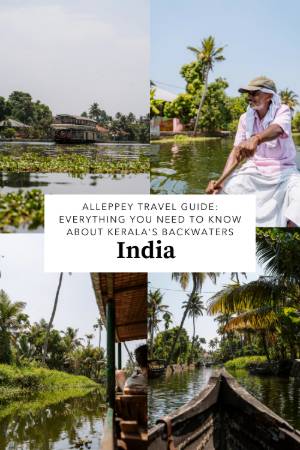
The water is everywhere and the town is built around it. The best way to experience the place is from a boat. But before we get into how to do that, it's worth explaining what the backwaters actually are, because "backwaters" is one of those travel terms that gets thrown around without much explanation, and it's not entirely obvious from the name.
Kerala's backwaters are a vast network of interconnected lakes, rivers, canals, and lagoons that run parallel to the Arabian Sea coast for nearly 900 kilometres. They were formed over thousands of years by rivers flowing down from the Western Ghats and meeting the sea, forming this sprawling inland waterway system.
For the communities that grew up along them, the backwaters weren't a tourist attraction; they were essentially the roads. Goods were moved by boat, fish were caught and sold from the water, and entire villages were built on narrow strips of land with canals on either side. In many places, that's still true today.
Alleppey sits at the heart of this network, which is why it became the place most people associate with the backwaters experience. The canals run right through town, houseboats moor along the main waterways, and within a few minutes of leaving the dock, you're deep into a landscape that feels completely removed from the rest of India: quiet, green, and moving at the pace of a paddle stroke.
What the "Venice of India" comparison misses is the character. Alleppey is distinctly, completely Kerala. Sleepy and warm and unhurried in a way that's genuinely hard to find. And unlike Venice, nobody's trying to sell you anything from a gondola.
It's also one of the least hassle-heavy places we visited on the whole trip. No one following you down the street, no commission-hungry tuk-tuk drivers pitching you tours, no one standing at a doorway asking where you're from and would you like to see some textiles.

How Long To Stay
Recommended time: 1–2 days
One full day is enough to do it properly. Two is a comfortable pace if you want to slow down, wander the town in the evening, find somewhere good for dinner, and still have a lazy morning before moving on. It's not somewhere you'll be doing the mental math on how to extend your stay the way you might in Munnar, but it's a stop worth making. The backwaters alone justify it, but there is also not too much to see aside from the water.
Houseboats vs. Canoes


The houseboat experience has become so synonymous with Alleppey that most people don't second guess it, but maybe you should. There are two ways to experience the backwaters: Houseboat or Canoe, and they are two very different experiences.
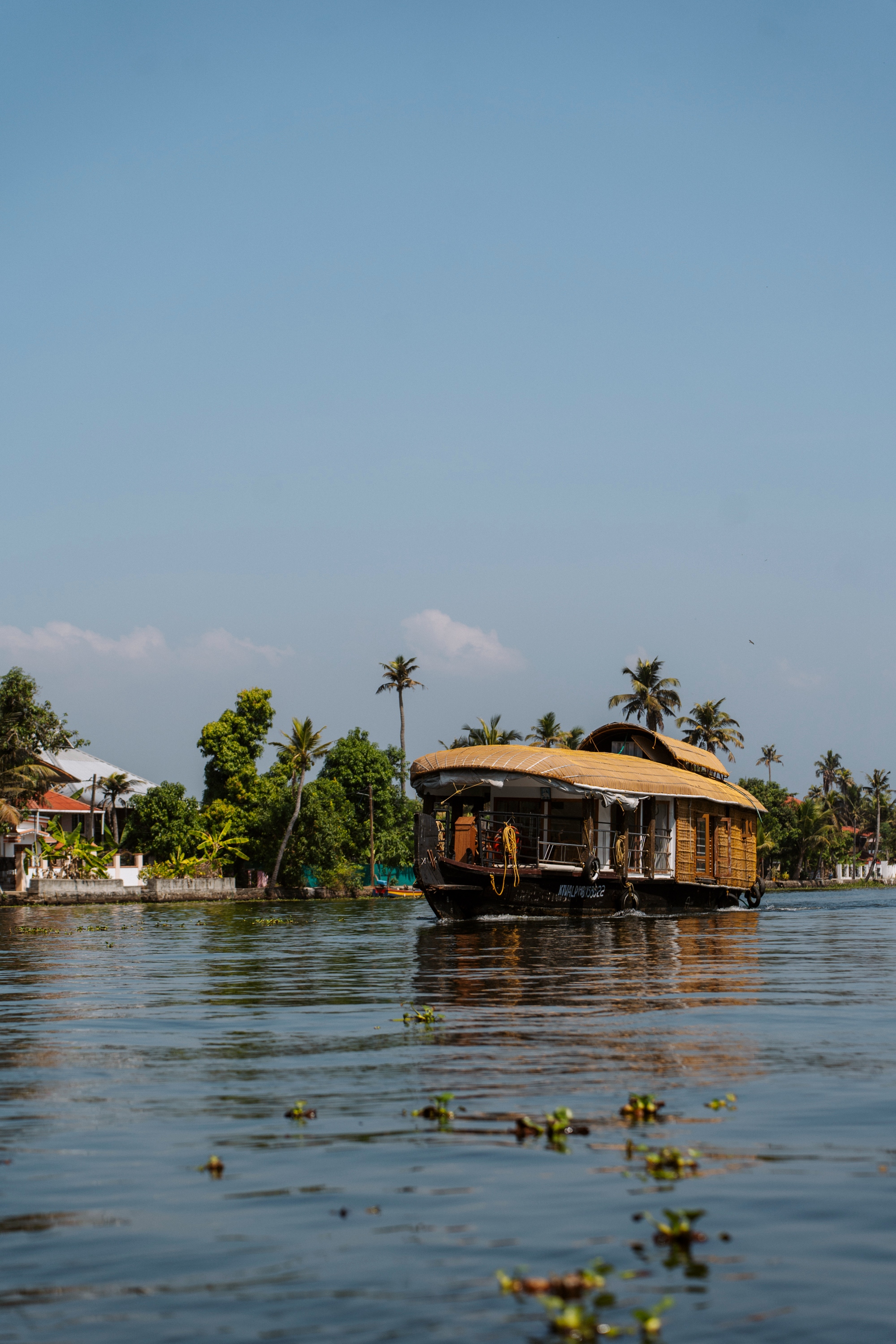
The houseboats are the famous option and the one that shows up on every Kerala travel blog and in every Instagram grid from the region. They're big, they're comfortable, and if you're travelling with a group or a family, renting one out for a night or two genuinely looks like a lot of fun. You get your own floating home, a cook on board, meals included, drifting slowly through the backwaters with nowhere to be. The appeal is obvious and we're not here to talk anyone out of it.
But if you're travelling as a couple or solo, the houseboat math doesn't really work. They're not cheap when the cost is split between just two people, and more importantly, they don't take you anywhere interesting. The houseboats stick to the main canals. The big ones. And those canals, while scenic, are also heavily trafficked by other houseboats doing exactly the same loop, which means diesel fumes, engine noise, and the occasional floating traffic jam.
The environmental impact is something to consider as well. The houseboats run on old diesel engines. Waste is thrown overboard and oil and fuel spill into the canals. This is exacerbated by the sheer scale the industry has grown to. Everywhere you look on the water there are houseboats cruising along, picking up new tourists, or stopping for repairs.
It's a lucrative industry for locals so no one is doing anything wrong by operating them, but their popularity is becoming a concern for the canal eco system.
The backwaters aren't just the big main canals where the houseboats travel. Behind them, winding through the landscape in every direction, there's an entire network of narrow side channels that most tourists never see. These smaller waterways are only accessible by canoe, and they are where Alleppey actually lives.
The canoes, on the other hand, are an impact-free experience. But beyond just the environmental impact, I would argue that it's a better experience overall. The small canoes take you on tours through the less-travelled small canals that the big houseboats could never fit into. This is where you will pass slowly by villages going about their day, fish salesmen peddling their wares from boat to shore, and pass under the lush trees blowing in the wind.
Best part of the canoe? It's silent. The houseboats chug along with noisy diesel engines, and all the other traffic adds to the hectic cacophony that can take you out of the serenity of the "Venice of India."
We did a day tour with a canoe guide, and it was incredible. We rode the ferry with our guide to a local village where we had lunch with the other tourists joining the tour. The food was amazing, and it was fun meeting all the other travellers before a short walk over to where we met our canoe guide. It was just us and one other older couple in the canoe, so we were able to really sit back and enjoy the serene experience of floating down the canals and taking in the sights and smells.
Our guide would share some useful context as we passed points of interest, which was great, but a lot of the ride was taken in a peaceful silence, which, personally, I think is the right way to take in the backwaters. But of course, this is India, so it was still a tour of contrasts: some of the passages were so narrow the canoe barely fit, and some bridges were so low that we needed to duck as we passed, and at points the local traffic got so busy our guide started handing out paddles so we could help navigate the chaos.
You drift past people's homes where the steps lead straight down into the water, and daily life happens right at the edge of it. Women are doing laundry on the bottom step. Children splashing around while their mothers pretend not to notice. The occasional boat pulled up alongside a home to sell things to the families who live along the banks: fish, vegetables, bananas, and, in one case, that genuinely surprised us, cookware. Entire pots and pans are being bought and sold from a floating market, the same way it's probably been done for a hundred years.
The canoes are zero-emission and completely silent. No engine, no wake, nothing between you and the sounds of the place. Just the paddles hitting the water, birds, the distant sound of a radio from someone's kitchen, and the occasional shout of laughter from children who've spotted you coming around the bend. It is, without exaggeration, one of the most peaceful things we did in all of India.
What To Expect On The Water


Most canoe tours run for two to three hours and cover a solid stretch of the side canals before looping back. Your guide will paddle the canoe and will point out things of interest as you go. Some guides are more talkative than others. Ours was on the quieter side, which suited the vibe perfectly.
There will be stops. Usually, a chai and samosa break at a small family home, where someone's grandmother has been making tea and snacks for passing tourists for what feels like decades and is completely unbothered by the whole thing.
Book through your guesthouse or a reputable local operator. Your accommodation will almost always be able to sort this for you, and they'll know who runs the better tours. Prices are low enough that there's no real need to negotiate hard. But make sure you factor in a good tip!
Our guide started laying on the guilt a little bit towards the end of the tour by telling us how many kids he had and how expensive school supplies are. I didn't love this since I was already planning to leave him a nice tip. But he explained that a lot of people leave no tip at all, and only a little bit of the money you pay for the tour actually goes to him and his family. The tip doesn't have to be much, but 5 or 10 USD a person goes a long way for the guides, and they really are working hard for the money, paddling you around for hours in the hot sun.
The Houseboat (If You're Going For It)


If you're in a group of four or more, or the idea of floating overnight with a cook on board sounds like your kind of thing, regardless of cost, the houseboat experience is worth doing. Just go in with eyes open.
Read reviews before you book and agree on everything upfront: meals, fuel costs, and where you'll actually go. The quality varies a lot. Some houseboats are genuinely lovely; others are rushed experiences and not worth the money (especially once they add on all the hidden fees). As with most things in India, price isn't always a reliable indicator of quality, so reviews matter more than usual here. Don't just look for high ratings; also keep an eye out for operators with many, many good reviews.
Also worth knowing: the houseboats return to dock by around 6 pm, so you're not anchored somewhere quietly beautiful in the middle of the backwaters overnight. You're moored at the dock alongside a dozen other houseboats. It can still be a fun night if you're in the right group, but it's just not the solitary wilderness experience the photos suggest.
The Town Itself
The town of Alleppey is pleasant without being particularly remarkable, and that's not a criticism. After the soft hustle of Fort Kochi and the mountain remoteness of Munnar, there's something genuinely refreshing about a place that's just a nice town.
We went for an evening walk along the main road, found a restaurant that was busy enough to trust, ate well, and paid very little. Nobody tried to redirect us anywhere. Nobody appeared from a doorway to ask where we were from. It was a nice time in the uncomplicated sense, and sometimes that's exactly the energy you need mid-trip.
There isn't much to tick off from a tourist checklist, and that's fine. Alleppey isn't a sightseeing town. It's a backwater town, and the backwaters are the whole point.
Getting Around

Alleppey is flat and reasonably compact, which makes walking and cycling good options for getting around town. Many guesthouses have bicycles available to rent or borrow, and given that the roads are relatively calm compared to the rest of Kerala, it's actually an enjoyable way to explore.
For getting to and from your canoe tour departure point, or for the trip in from the bus or train station, tuk-tuks are widely available. Uber is less reliable here than in Kochi, so you're back to agreeing on a price upfront. It's not a big deal, because the rides are short and the fares are cheap, and we didn't find anyone trying to take advantage of us (too much). You will probably be given a bit of a tourist price, and you can negotiate a little, but all rides will be less than 2 USD, probably, so it's low stakes. Just confirm the number before you get in, and you won't have any issues.
Where To Eat
Alleppey is a great place to eat, and even though it's such a tourist hub, there are great local-feeling spots too. Our favourite spot for plant-based curry was Rice Boat, and for the best takeaway Dosas, go to Namaste Tiffins.
If your guesthouse is cooking for you, take them up on it at least once. The home-cooked Kerala meals we had at guesthouses throughout the region were consistently the best food of the trip and were always simple, fresh, and built around whatever was good that day. It's an underrated part of staying somewhere family-run and a much better representation of the food than most restaurants catering to tourists can offer.
Where To Stay
There are guesthouses and small hotels spread throughout the town and along the canals, and the family-run places are where you want to be. Same story as everywhere else in Kerala: the warmth, the honesty, and the food at the smaller places beat the bigger hotels every time, usually at a fraction of the price.
Staying somewhere with a canal or garden view is worth arranging if you can. Waking up to the sound of boats and birds rather than traffic is the right way to do Alleppey, and plenty of guesthouses can offer it without charging a premium for the privilege.
Book ahead if you're travelling between December and March. Alleppey gets busy during peak season with both international visitors and domestic tourists making the trip from the cities, and the good spots fill up fast.

Snehatheeram Homestay
Snehatheeram Homestay in Alleppey offers AC family rooms with garden views, TV, and free WiFi. Amenities include a garden, lounge, 24-hr front desk, bike hire, and luggage storage. Continental breakfast with local specialities served daily. 81 km from Cochin Airport, 7-min walk to Mullakkal Temple, with boating nearby. Rated 9.8 by couples!Check Availability
Rain Homestay
Rain Homestay in Alleppey features AC rooms with private bathrooms, TV, and wardrobe, plus a garden, terrace, hot tub, and free parking. Free WiFi throughout. Highly rated for host, cleanliness, and breakfast. Just 9 mins walk to Mullakkal Temple, 2.6 km to Alleppey Beach, with boating nearby. 83 km from Cochin Airport. Couples rate it 9.4!Check AvailabilityFinal Thoughts


Alleppey is one of the most unique stops on most Kerala itineraries. The way the water shapes everything around it, from the physical layout to the way of life, is fascinating, and I found being out on the water here even more peaceful and serene than the hills of Munnar.
I would recommend you opt for a canoe tour and stay at a family-run guest house rather than book one of the famous houseboats, but do some research (there are some great vlogs on YouTube that show the experience really well). Choose what's best for you, but seeing the small, lesser-travelled canals was by far the highlight of my visit.
FAQ
Is a canoe tour or houseboat better for couples?
How long does a canoe tour take?
How much does a canoe tour cost?
Do I need to book a canoe tour in advance?
Are houseboats worth it at all?
How many days should I spend in Alleppey?
Is Alleppey safe for solo travellers?
What's the best time of year to visit Alleppey?
How do I get to Alleppey from Kochi?
Can I get around Alleppey without a tuk-tuk?
What should I eat in Alleppey?
Our Trusted Travel Partners
We only recommend products and services we personally use and trust.

SafetyWing
Travel medical insurance for nomads and remote workers
Booking.com
Find the best deals on hotels, apartments, and vacation rentals
AllTrails
Discover hiking trails with detailed maps and reviews
Surfshark
Secure VPN for safe browsing and accessing content worldwide
Get Your Guide
Find the best deals on tours and experiences
Airalo
Prepaid SIM cards for travelers
Trusted Housesitters
Find free accommodation by house and pet sitting worldwide
Wise
Send and receive money internationally with low fees* We may earn a commission when you make a purchase through our affiliate links, at no extra cost to you. We appreciate this support, which helps sustain our blog and allows us to create more content and help more great trips get planned!