
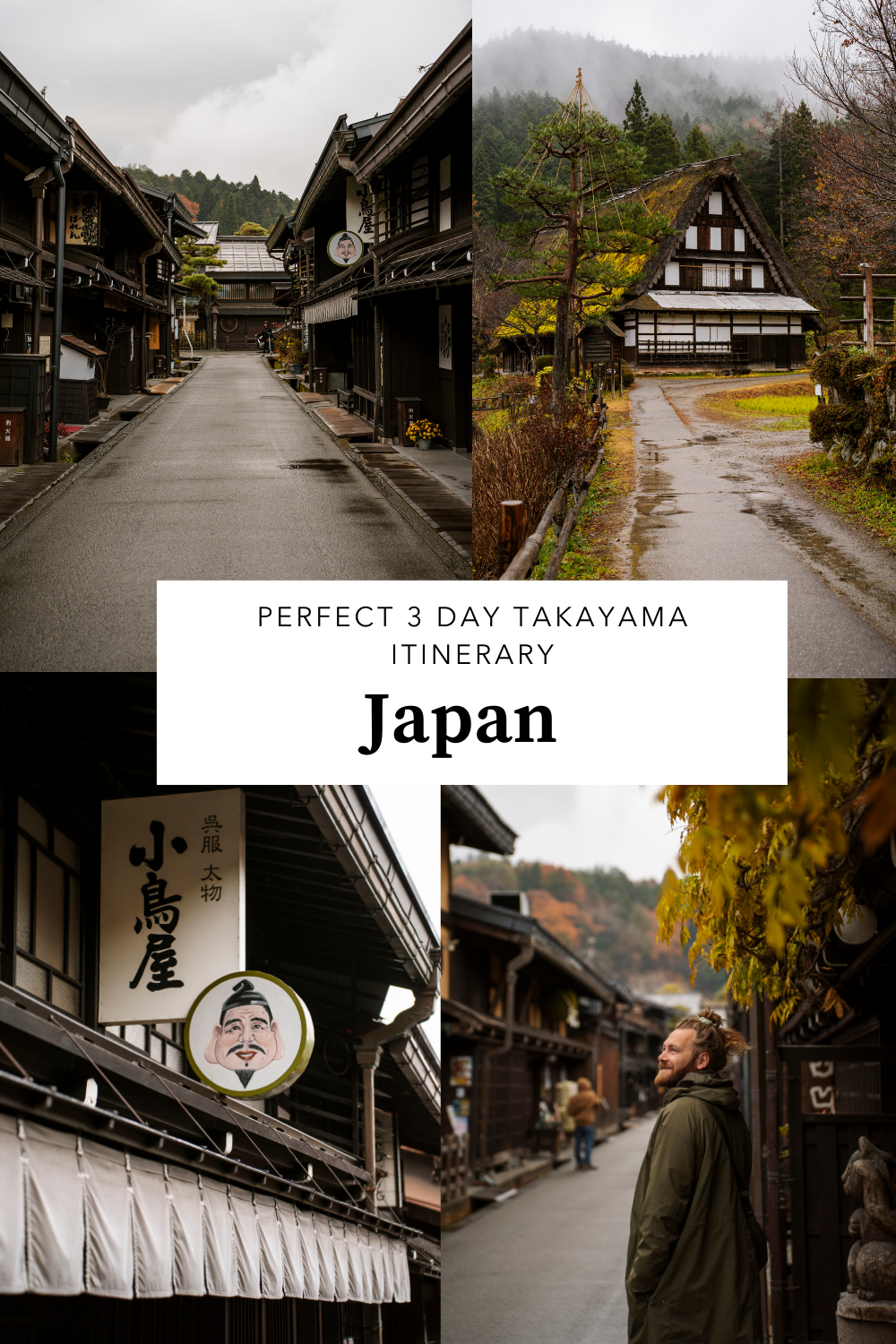
Where to Stay (Before It’s Fully Booked)
Key Tips For Planning Your 3 Day Takayama Itinerary
- Pace yourself during brewery hopping. Drink water between tastings and eat something to avoid overdoing it
- Street food skewers (Hida beef, mitarashi dango, gohei mochi) are legitimate meal options and part of the authentic Takayama experience
- Hida Folk Village entry is only ¥700, making it an affordable cultural experience
- Grab an English audio guide at Takayama Jinya for a much richer historical context
- Take an evening stroll through Sanmachi Suji after day-trippers leave: The lit lanterns create a magical atmosphere
- Arrive on the first bus to Shirakawa-go to beat the midday tour bus crowds
- Hike to Shiroyama Observation Deck for the iconic postcard view of Shirakawa-go (20 minutes uphill or ¥200 shuttle)
- Arrive at Miyagawa Morning Market between 7:00-8:00 AM for the freshest produce and authentic local atmosphere before tourists arrive
- Book Shirakawa-go bus tickets in advance, especially during peak seasons (fall foliage, winter, spring), as they fill up quickly
- Visit Sanmachi Suji side streets in late afternoon when main streets are crowded, but parallel alleys remain charming and quiet
- Stay Connected: Google Maps and Google Translate come in very handy. Make sure to download what you need ahead of time, or grab an e-SIM to make your life easier.
Location Map
All locations mentioned in this blog are pinned here so you can visualize your trip!Day 1: Old Town, Sake, & Hida Beef


Your first day is all about the heart of Takayama. The preserved Edo-period streets, the sake breweries, and the food that make this town famous.
Morning: Miyagawa Morning Market
Start your day the way Takayama locals have for centuries. The Miyagawa Morning Market runs along the river, with vendors selling fresh mountain vegetables, handmade pickles, local crafts, and snacks.
When: Opens around 6:00-7:00 AM, runs until noon
What to buy:
- Fresh seasonal fruit
- Sarubobo dolls (the red faceless mascots of Takayama, considered good luck charms)
- Snacks for the road
Pro tip: Arrive between 7:00-8:00 AM for the freshest produce and most authentic atmosphere. By late morning, the crowd shifts from locals to tourists.
Mid-Morning: Takayama Jinya
A short walk from the morning market brings you to one of the only surviving Edo-period government buildings in Japan. Takayama Jinya served as the local administrative office when the shogunate controlled this region directly.
Tour the tatami rooms, administrative offices, rice granary, and the interrogation room, complete with historical torture devices. The building offers a window into how Japan was governed centuries ago.
Entry: ¥440 (~$3 USD)
Time needed: About 1 hour
Pro tip: Grab an English audio guide at the entrance. The historical context makes the visit much richer.
Late Morning/Lunch: Sanmachi Suji (Old Town)


Now for the main attraction. Three parallel streets collectively called Sanmachi Suji form the preserved heart of Takayama. Dark wooden buildings with lattice fronts, hanging sake balls (sugidama) marking breweries, stone water channels running alongside the streets, and an atmosphere that transports you back centuries.
These buildings aren't museum pieces. They're active sake breweries, craft shops, restaurants, and cafes that happen to occupy 300-year-old structures.
What to do:
- Walk slowly. Take in the architecture.
- Duck into sake breweries for a tasting (more on this below)
- Browse shops selling Hida woodwork, lacquerware, and local ceramics
- Grab lunch at one of the traditional restaurants
For lunch: Keep it casual. Street food is part of the Takayama experience. Grab a Hida beef skewer (¥500-1,000) from one of the stalls, try mitarashi dango (grilled rice dumplings with sweet soy glaze), or pick up gohei mochi (rice cakes with sweet miso). If you want to sit down, Kyoya serves excellent traditional Hida cuisine.
Afternoon: Sake Brewery Hopping


Takayama's mountain water is pure and mineral-rich from the Japanese Alps and makes exceptional sake. Several breweries in the old town offer free tastings, and spending an afternoon sampling your way through them is one of the town's great pleasures.
Breweries to visit:
- Funasaka Shuzo: One of the oldest, with a wide selection
- Harada Sake Brewery: Small, friendly, excellent sake
What to try:
- Junmai (pure rice sake, no added alcohol): clean and traditional
- Ginjo (premium sake with fruity, floral notes): more refined
- Nigori (cloudy, unfiltered): creamy and slightly sweet
A lot of breweries offer free tasting, on the assumption that you will pick up a bottle of your favourite. Others have more of a vending machine vibe, where you buy 3-5 tokens at a time and then use those to buy samples out of the machines. You can sip it cold, or you can use the provided warming tanks to warm the sake up. These tanks have little trays you can rest your cup in, then handles so you can lower your tray into a tank of boiling water. The water covers most of the glass but is just shallow enough not to spill into it. This warms up your sake in minutes. If there is a sake you really like, try it hot and cold.
Pro tip: Pace yourself. With multiple breweries offering free pours, it's easy to overdo it. Drink water between tastings. Eat something. Your evening self will thank you.
Late Afternoon: Wander the Side Streets
The main three streets of Sanmachi Suji get crowded midday. But the parallel streets and side alleys? Just as charming, far fewer people. Spend some time getting lost. Pop into shops that catch your eye. Find a cafe for coffee or matcha. This is when Takayama reveals its quieter side.
Evening: Hida Beef Dinner
Hida beef is Takayama's culinary crown jewel, a premium wagyu that rivals Kobe and Matsusaka. The marbling is extraordinary, the flavour rich and buttery, the texture practically melting.
Options:
- Yakiniku (Japanese BBQ): Grill thin slices of Hida beef at your table. Interactive, delicious, and you control the doneness. Maruaki is a reliable choice.
- Shabu-shabu: Swish paper-thin beef through hot broth. Lighter than yakiniku but equally satisfying.
- Hida beef sushi: Thin slices of lightly seared beef over rice. Available at some restaurants and street stalls.
If you're watching your budget, the street stall skewers from earlier today are a perfectly legitimate dinner. No judgment.
If you're a vegetarian don't worry. There are lots of great options in Takayama that skip the famous meat.
- Sushi -Dining Nob has a huge sushi menu and has extensive vegetarian and vegan options.
- Eviltex offers a break from traditional Japanese cuisine and serves up incredible Mexican fare. They have several vegetarian options that can easily be made vegan. The enchiladas were better than anything I've ever had in Mexico!
Day 2: Shirakawa-Go Day Trip


Today you're heading to one of Japan's most magical villages: a UNESCO World Heritage site that looks like it belongs in a fairy tale.
Getting to Shirakawa-go
Buses run from Takayama Bus Terminal (next to the train station) to Shirakawa-go. The ride takes about 50 minutes through mountain scenery.
- Cost: ¥2,600 (~$17 USD) round trip
- Schedule: Buses run roughly every hour, but check current schedules at the station or online
- Critical: Book your bus ticket in advance, especially during peak seasons (fall foliage, winter snow, spring). These buses fill up, and showing up without a reservation can mean waiting hours or missing the trip entirely.
You can also book onto a half day tour to simplify your planning. These tours leave from Takayama and explore the village on a small-group guided walk, step inside a traditional gassho-zukuri house, and enjoy time for photos and questions.
Morning: Arrive & Explore the Village
Shirakawa-go is famous for its gassho-zukuri farmhouses, which are traditional thatched-roof buildings with dramatically steep slopes designed to shed heavy mountain snow. The architectural style dates back centuries, and walking through the village feels like stepping into another era.
What to do:
- Wander the main village paths, admiring the farmhouses
- Visit Wada House or Kanda House: preserved farmhouses open to the public where you can see how families lived (and still live) in these structures
- Cross the suspension bridge over the Shogawa River for views back toward the village
Pro tip: The village gets crowded midday when tour buses arrive. The first bus from Takayama gets you there before the rush.
Late Morning: Hike to the Observation Deck

For the iconic postcard view of Shirakawa-go, hike up to the Shiroyama Observation Deck. It's about a 20-minute walk uphill from the village (or you can take a shuttle bus for ¥200).
From above, the entire village spreads out below you with dozens of thatched roofs nestled in the valley, mountains rising behind. In winter, when snow blankets everything, this view is almost impossibly beautiful.
Tip: The observation deck has a small cafe. Grab a coffee and soak in the view before heading back down.

Lunch: In the Village
Several farmhouses have been converted into restaurants serving traditional mountain cuisine. Expect soba noodles, grilled river fish, mountain vegetables, and hearty stews. It's simple, seasonal food that fits the setting perfectly.
Afternoon: Deeper Exploration
After lunch, venture beyond the main tourist path:
- Myozenji Temple: A peaceful temple with its own gassho-zukuri architecture
- Doburoku Matsuri no Yakata: A small museum dedicated to the village's traditional sake festival
- Quiet northern section: Fewer tourists, more atmosphere
Alternatively, just find a bench, watch the village go by, and appreciate that places like this still exist.
Return to Takayama
Catch an afternoon bus back to Takayama. The last buses typically leave around 5:00-6:00 PM, but confirm the schedule when you arrive.
Evening: Casual Dinner & Old Town at Night
You've had a full day. Keep dinner low-key.
Options:
- Ebisu Honten: Legendary ramen shop with rich, flavorful bowls. Perfect comfort food.
- Center4 Hamburgers: Excellent burgers using local ingredients, including a Hida beef burger.
- Return to the old town street stalls for more skewers and snacks.
After dinner, take an evening stroll through Sanmachi Suji. The day-trippers have left, the lanterns are lit, and the old town takes on a completely different character. Quieter. More atmospheric. This is when Takayama feels the most magical.
Day 3: Temples, Folk Village & Farewell
Your final day balances cultural sights with free time to revisit favorites or discover something new.
Early Morning: Second Visit to the Morning Market


If you loved the Miyagawa Morning Market, return for round two. Or check out the smaller Jinya-mae Morning Market in front of Takayama Jinya for a different vibe. Pick up any souvenirs or snacks you missed the first time.
Morning: Higashiyama Walking Course

For a peaceful start to the day, walk the Higashiyama Temple Trail: a 3.5 km (2.2-mile) loop through the eastern hills connecting over a dozen small temples and shrines.
The temples here aren't grand like Kyoto's famous sites. They're intimate, quiet, and nestled in forested hillsides. The walk winds through woods, past moss-covered stone, and through neighbourhoods where you'll be the only tourist.
Time needed: 1.5-2 hours at a leisurely pace
Starting point: Near the old town, follow the signs for the Higashiyama Walking Course
Best for: Those who want contemplative quiet and don't mind a gentle walk
Mid-Morning: Shiroyama Park
If you have energy after the temple walk (or want to skip it for something shorter), hike up to Shiroyama Park for panoramic views over Takayama and the surrounding mountains.
The park sits on the ruins of Takayama Castle, demolished in the 17th century. Today, it's a peaceful, forested hilltop with observation decks and walking paths.
Time: About 20-30 minutes uphill from the old town.
Starting point: Near Takayama Jinya, follow the signs.
Afternoon: Hida Folk Village (Hida no Sato)

End your Takayama visit at this open-air museum featuring over 30 traditional gassho-zukuri farmhouses and historic buildings relocated from around the Hida region.
If you visited Shirakawa-go yesterday, you'll recognize the architectural style, but here you can walk inside more buildings, see craft demonstrations, and learn about how mountain communities lived for centuries. The setting is peaceful, with seasonal flowers and mountain views.
Entry: ¥700 (~$4.50 USD)
Getting there: Take the Sarubobo Bus from Takayama Station (10 minutes, ¥210)
Time needed: 1-2 hours
Winter bonus: If you're visiting December-February, the snow-covered thatched roofs are magical.
Late Afternoon: Free Time
Depending on your departure time, you have options:
- Return to the old town for final wandering, shopping, or snacks
- One more sake tasting at a brewery you missed
- Falo Coffee Brewers for excellent coffee and pastries near the old town
- Simply sit by the Miyagawa River and watch the mountains
- Cocktails at Sakedokoro Tamotsu
We like to leave some time in every itinerary that is flexible for how we feel toward the end of our trip. Did our few days in the mountains energize us? Or were we having so much fun and a bit too much sake?
If you're running out of energy, just wander the old town and grab a spot on a bench to try and fully process the fact that you're in Japan, living out the trip you dreamed about.
If your energy is lagging but you think you can rally, head to Falo Coffee Brewers for a caffeine re-up. This is an adorable cafe in a renovated old building. It has a nearly all wooden interior, and the wood-fired fireplaces make the space so cozy that you will rely on their delicious and strong coffee to keep you awake.
The cozy coffee shop is honestly a great test of your energy level. If the flickering lights and warm, radiating heat of the fireplace are putting you to sleep, call it an early night; but if the coffee gives you a second wind, head back out to your favourite sake brewery, or if you want a memorable night out, stop in at Sakedokoro Tamotsu.
Sakedokoro Tamotsu is an understated minimalist bar serving up top-tier cocktails and frosty local beers. We stopped by here on our last night in Takayama, and we ended up being the only customers all night (it was a rainy Wednesday in the off-season). We ended up chatting with the owner/bartender for hours, and he cracked a few beers for himself and told us all about how he came to own/run this little bar. It was meant to be a quick pint but ended up being a highlight of our entire stay. So if you have the energy, I highly recommend stopping by. And remember, for a relaxing time, make it Suntory time.
Where To Stay In Takayama
Top-rated and well-priced western hotels just steps from the old town:
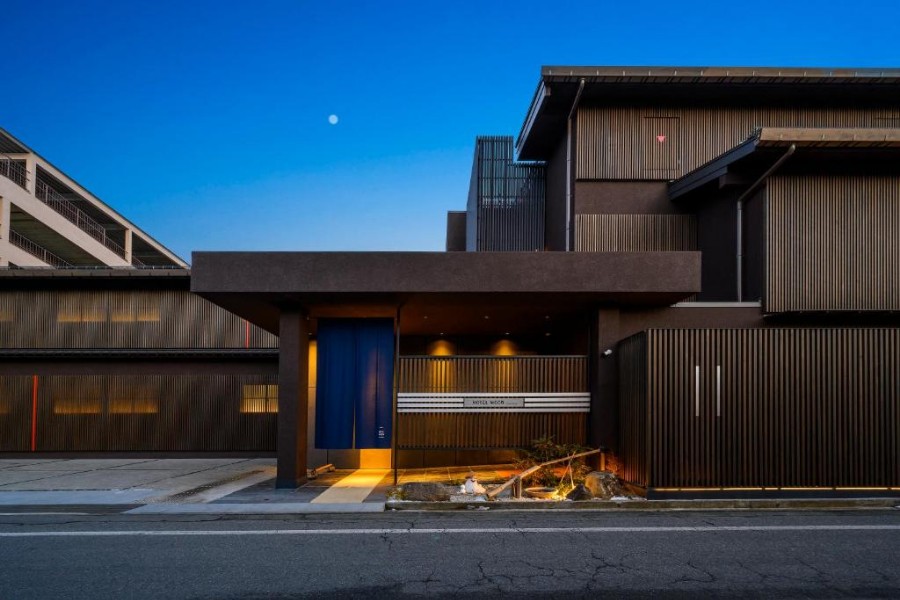
Hotel Wood Takayama
Hotel Wood Takayama offers a central location less than 1 km from Takayama Station. Nearby attractions include Fuji Folk Museum (3-minute walk), Yoshijima Heritage House (600m), and Sakurayama Hachiman Shrine (under 1 km). Features include massage services, a bar, public bath, 24-hour front desk, family rooms, security, and luggage storage. Rooms have air-conditioning, private bathrooms, hypoallergenic bedding, refrigerators, and work desks. Check Availability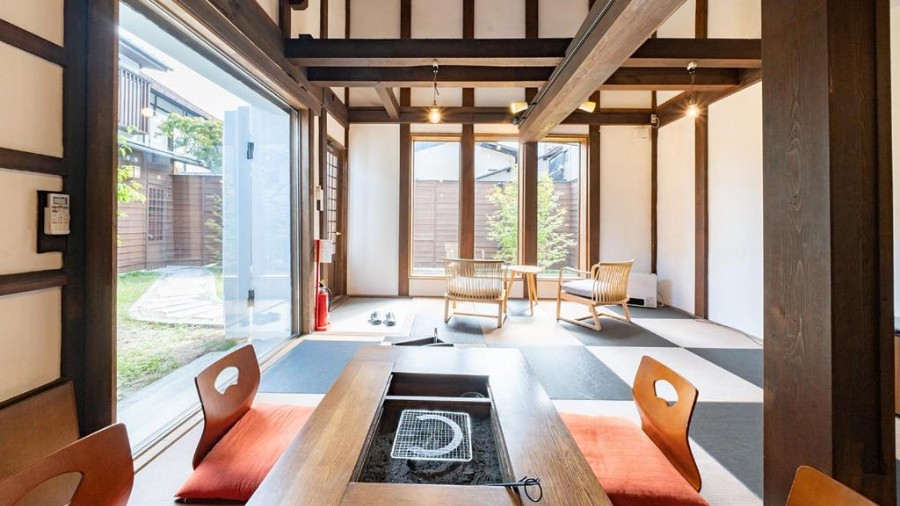
Wat Resort
WAT RESORT in Takayama offers a four-bedroom holiday home with a garden and free WiFi. Features include air-conditioning, a fully equipped kitchen with minibar, microwave, and toaster, plus garden views. Located in the city centre, it's a 14-minute walk from Takayama Station, 200m from Yoshijima Heritage House, and a 5-minute walk from Sakurayama Hachiman Shrine. Highly rated for well-equipped kitchen, convenient location, and excellent service.Check AvailabilityNice hotels (a bit further from the old town). Best for budget-conscious travellers who don't mind a 10-20 minute walk, but still want a standard hotel.
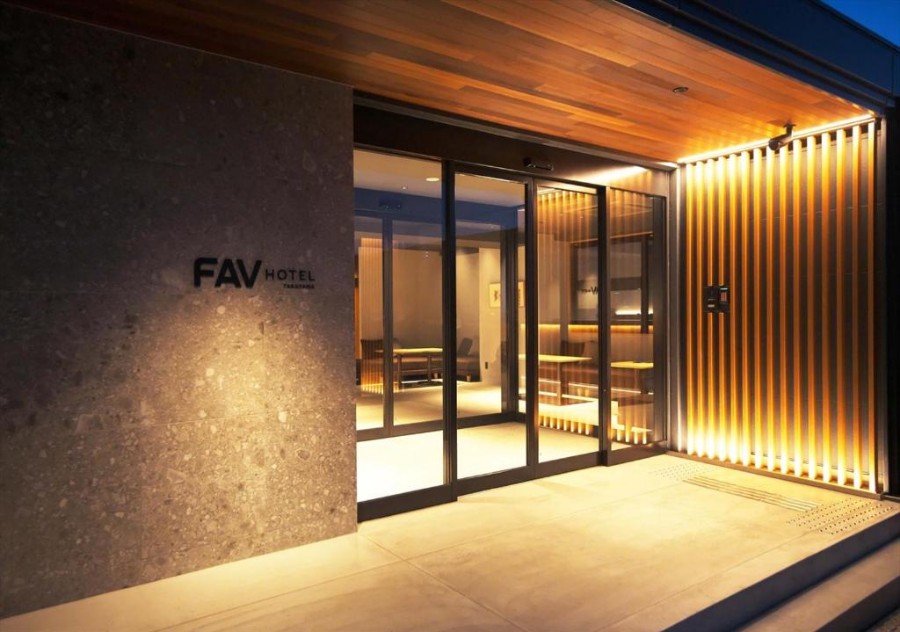
Fav Hida Takayama
Fav Hida Takayama offers spacious air-conditioned rooms with private bathrooms, city views, kitchenettes, washing machines, and free toiletries. Features include a bar, free WiFi, a lift, family rooms, full-day security, and paid parking. Located 8 minutes' walk from Takayama Station and 2 km from Hida Minzoku Mura Folk Village, with Fuji Folk Museum and Yoshijima Heritage House nearby. Highly rated for room size, family rooms, and kitchen facilities. Check Availability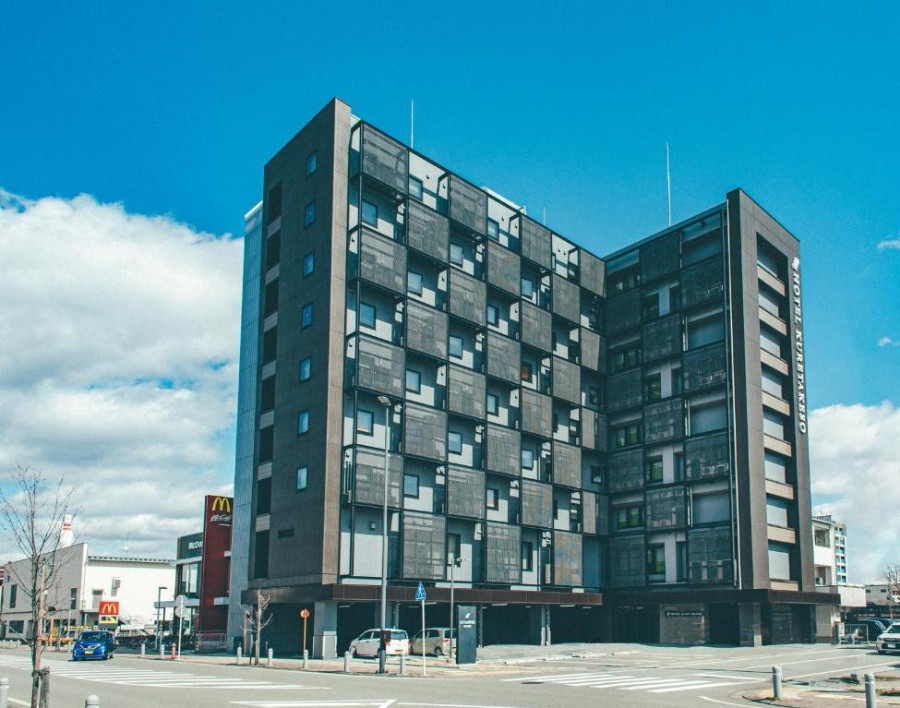
Hotel Kuretakeso Takayama Ekimae
Hotel Kuretakeso Takayama Ekimae offers air-conditioned rooms with private bathrooms, tea and coffee, baths, bidets, showers, slippers, and TVs. Features include sauna, public bath, restaurant serving Japanese cuisine, lift, 24-hour front desk, daily housekeeping, full-day security, and luggage storage. Located in the city centre, 6 minutes' walk from Takayama Station, 1 km from Fuji Folk Museum, and 1.9 km from Takayama Festival Float Exhibition Hall. Check AvailabilityBudget hostel options:
Hostel Miyagawa by Murasaki
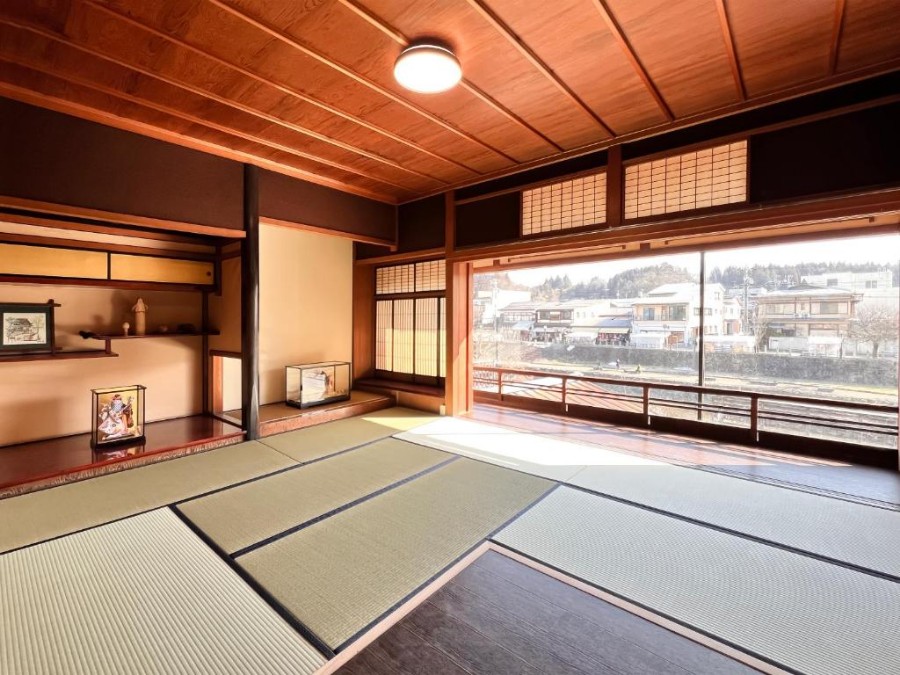
Hostel Miyagawa by Murasaki in Takayama is located less than 1 km from Takayama Station. Nearby attractions include Fuji Folk Museum (4-minute walk), Yoshijima Heritage House (400m), and Sakurayama Hachiman Shrine (8-minute walk). Features include free WiFi, a lounge, family rooms, full-day security, bike hire, luggage storage, river views, tatami floors, and free toiletries. Rooms have bidets, hairdryers, and shared bathrooms with showers. Check Availability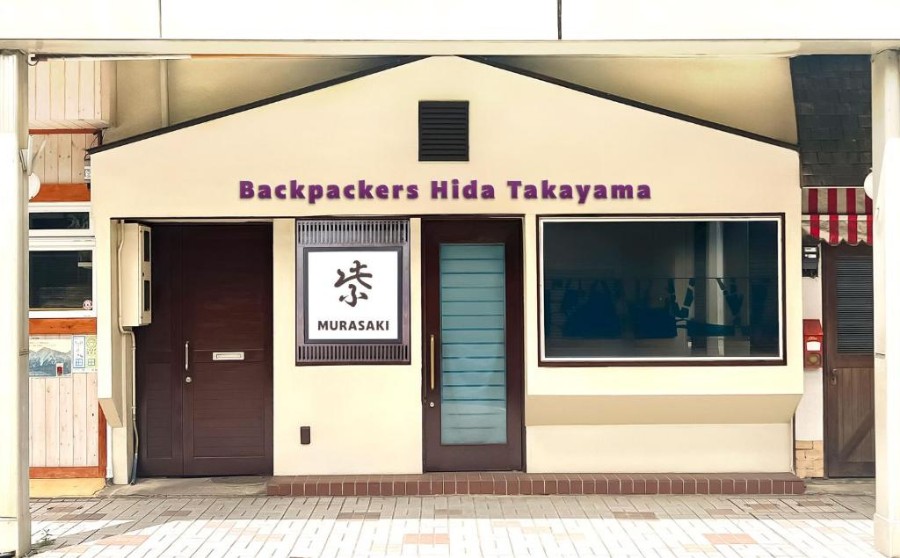
Backpackers Hida Takayama
Backpackers Hida Takayama offers 1-star hostel accommodation with free WiFi, air-conditioning, private bathrooms, a lounge, shared kitchen with a fridge/microwave/toaster, dining area, laundry service, bike hire, and luggage storage. Located less than 1 km from Takayama Station, just a 4-minute walk from Yoshijima Heritage House, 400m from Fuji Folk Museum, and 700m from Takayama Festival Float Exhibition Hall. Toyama Airport is 83 km away. Check AvailabilityRyokan (traditional Japanese guesthouse) outside of town:
Ryokan Murayama
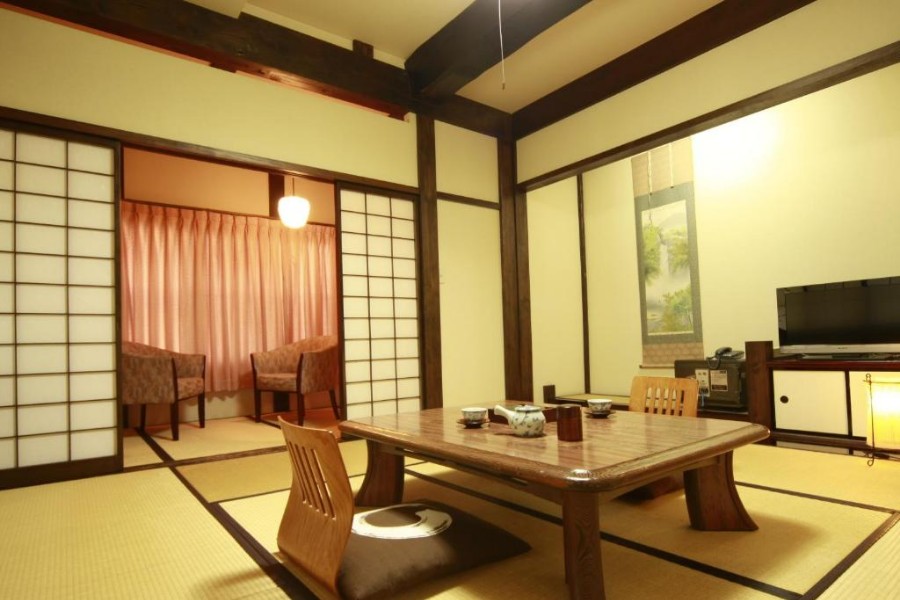
Ryokan Murayama features traditional Japanese architecture, a hot spring bath, free WiFi, and free parking. Located 2 km from JR Takayama Station with free shuttle service from the bus terminal (until 17:30 daily). Rooms have tatami flooring, Japanese futon bedding, paper screen doors, electric kettles, and flat-screen TVs. Gender-separated onsite hot spring bath and free private hot spring baths available. Couples rate the location highly.Check AvailabilityFAQ
How many days do you need in Takayama?
What is Takayama famous for?
Is Shirakawa-go worth visiting from Takayama?
What is the best time to visit Takayama?
How do I get to Takayama from Tokyo?
Where should I stay in Takayama?
Can vegetarians eat well in Takayama?
Do I need to book Shirakawa-go buses in advance?
Our Trusted Travel Partners
We only recommend products and services we personally use and trust.

SafetyWing
Travel medical insurance for nomads and remote workers
Booking.com
Find the best deals on hotels, apartments, and vacation rentals
AllTrails
Discover hiking trails with detailed maps and reviews
Surfshark
Secure VPN for safe browsing and accessing content worldwide
Get Your Guide
Find the best deals on tours and experiences
Airalo
Prepaid SIM cards for travelers
Trusted Housesitters
Find free accommodation by house and pet sitting worldwide
Wise
Send and receive money internationally with low fees* We may earn a commission when you make a purchase through our affiliate links, at no extra cost to you. We appreciate this support, which helps sustain our blog and allows us to create more content and help more great trips get planned!