

Short Answer

Yes.
If you like road trips and are comfortable behind the wheel on challenging roads, this is one of the coolest road trip routes in the world. The views just from the road are incredible, and there is so much to see and do along the way that you could spend weeks on this route.
The longer answer is that this trip isn't for everyone. The driving can be difficult, the weather is notoriously fickle, and it's a route best done with a campervan, which isn't everyone's cup of tea.
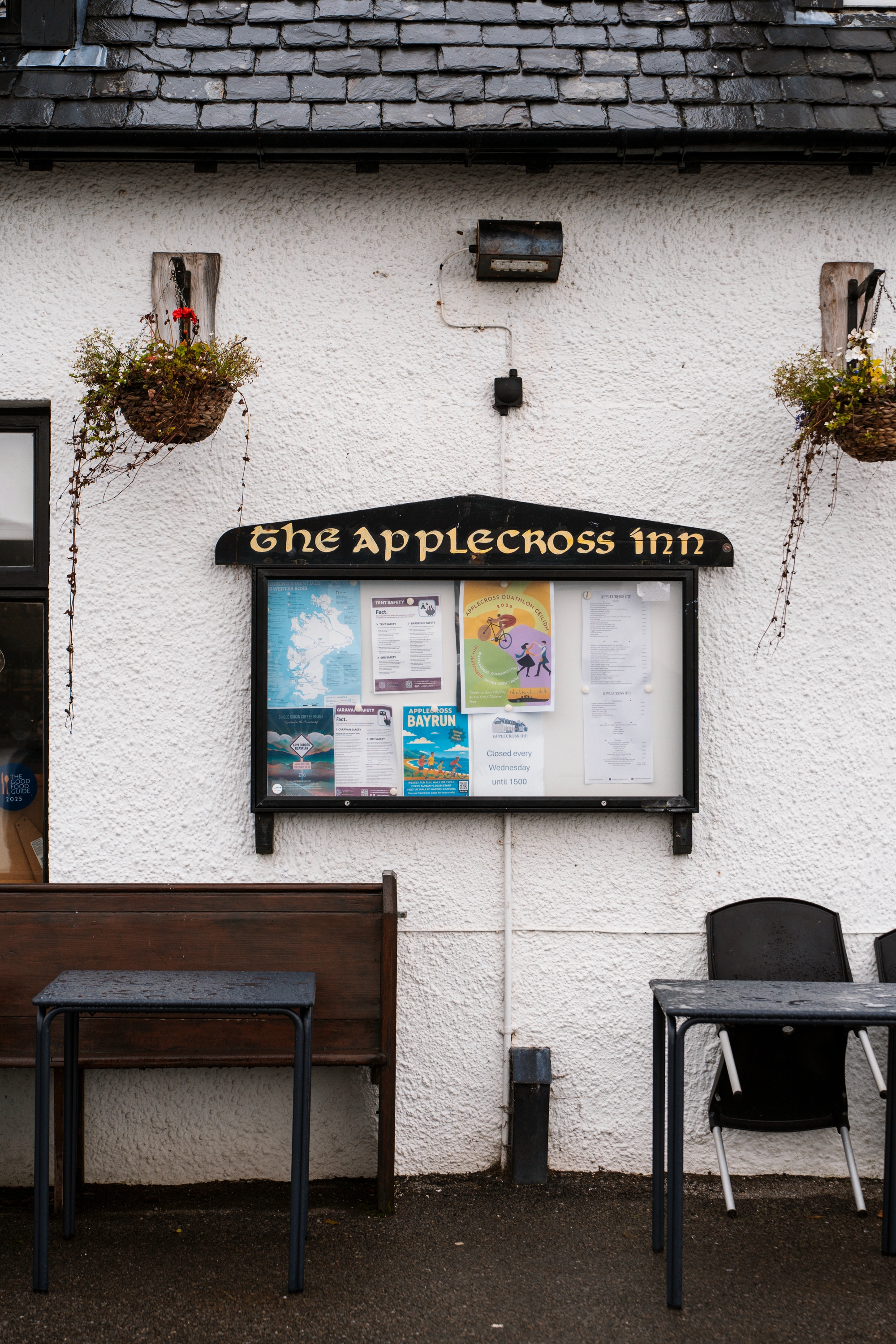
Where To Stay Along The NC500 (2026 Guide)
Click here for discounts and booking tips!What is the NC500?


The NC500 is an iconic road trip in Scotland that starts and ends in Inverness. The route loops roughly 500 miles (800 km) around the north coast of the Scottish Highlands, passing through mountain passes, fishing villages, white sand beaches, and some of the most stunning landscapes in the UK. It was officially launched in 2015 to bring visitors to the region, and it has since become one of the most popular driving routes in the country. I would advise driving it counterclockwise, heading up the east coast first and finishing along the west.
The drive itself is half the reason people flock to this route, but the castles, cliffs, caves, and cafes along the way are the real selling point for me. Clifftop ruins above the North Sea, sea caves you can walk into, and tiny roadside cafes where a bowl of soup and a view are the whole experience. Some of the best stops are not even on the official map, so leave room in your schedule for unplanned detours.
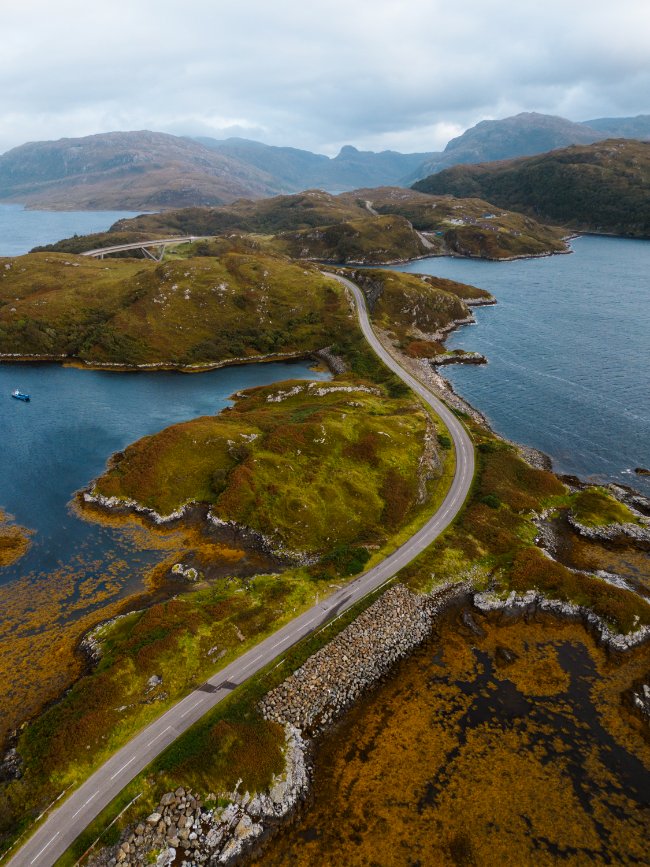
The roads are beautiful but narrow and can be quite difficult to drive. Much of the route is single track, meaning one lane with small pull-offs called passing places, and you are expected to pull in and wait to let oncoming traffic through.
Add in sheep on the road, blind crests, steep climbs like the Bealach na Bà, and the occasional oversized campervan, and it demands your full attention. If you are not used to driving on the left, or you are renting a manual, factor that learning curve in. Give yourself more time than the map suggests, since 500 miles here does not move like 500 miles anywhere else. Most people take five to seven days, and I would not go any faster than that.
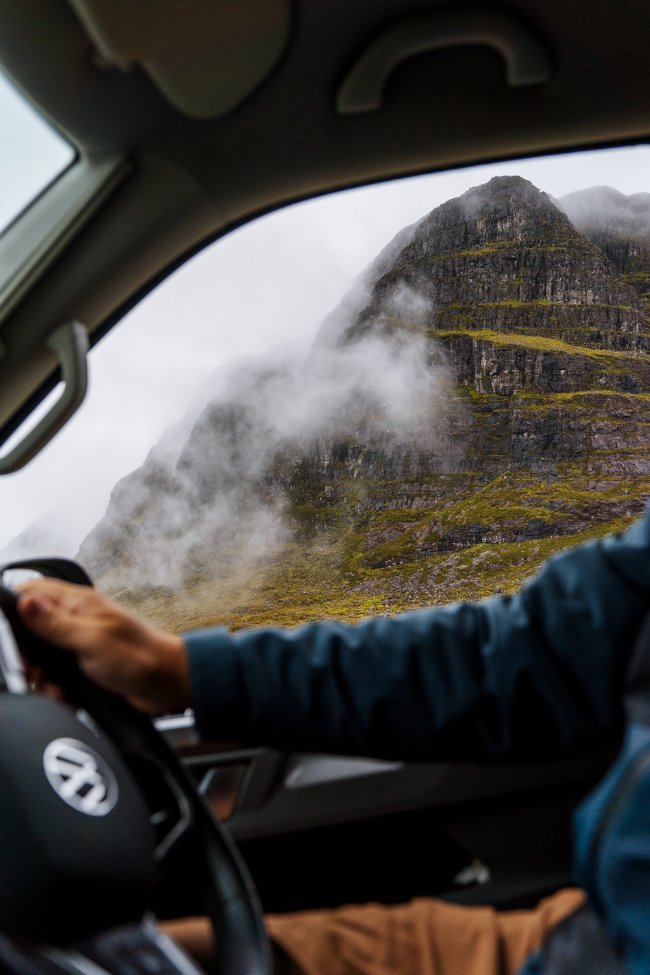
Why Do People Love The NC500


It is beautiful. Even if you drove the entire stretch and never stepped out of the car, you would still see some incredible things. The route moves through mountain passes, past lochs, along empty beaches, and up to dramatic coastal cliffs, and the scenery changes constantly, so there is never a dull moment. Add in the long summer light, and you get views that feel like they belong on a postcard from almost every bend in the road.
There are roadside stops everywhere. From castles to cliffs to cafes to white sand beaches, you are never a long drive away from your next incredible pull-off. That makes the trip easy to pace. You can spend an hour at Smoo Cave, grab a coffee and a slice of cake in a tiny village, and still be at a beach before lunch. If you get tired of one type of stop, there is always something totally different waiting around the corner.
It's a circle. There is no backtracking required. The route goes around the north coast in an incredibly satisfying loop that starts and ends in Inverness, so you see something new every day and never retrace your steps. It also makes planning simple, since you can pick a direction, pick your number of days, and let the road take you around.
Camping is easy. The NC500 has become a famous route for campervans and caravans, and there is great infrastructure along the entire route. Campsites, motorhome services, and wild camping spots make dealing with your van chores easy and give you a great place to park up every night of your trip. Waking up with a loch or a beach outside your window is a big part of the appeal.
It feels remote but is not hard to get to. Throughout the whole trip, you get that whimsical sense of remoteness that you can only find in the Scottish Highlands, but getting there is simple. If you pick up your car or camper in Glasgow, it is only about a 3-hour drive to where the route begins. You get the feeling of being far off the map without needing days of travel to reach it.
The Downsides Of The NC500


Narrow roads and single track driving. Much of the route is one lane with passing places, and it takes real concentration. You will be pulling in to let oncoming cars through, watching for sheep and blind crests, and sharing the road with oversized campervans. It gets easier with practice, but it can be tiring, especially on long days or in bad weather. If you are a nervous driver, or you are not used to driving on the left, build in shorter driving days and plenty of breaks.
Bad weather. High winds on the coast and lots of rain, because it's Scotland. Even in summer, you can get sun, hail, and fog in the same afternoon. Bad weather does not just affect your photos; it also affects how comfortable the driving is, since wind and rain make the narrow roads harder to handle and can hide the views you came for. Pack proper waterproofs, keep a backup plan for rainy days, and stay flexible with your schedule.
Midges. From late May to the start of September, midges can be very annoying. These tiny bugs swarm around your head and can drive you nuts, especially at dawn and dusk and on still, damp days. A repellent and a head net go a long way, and a bit of wind makes a big difference.
Accommodation is expensive and books out fast. Some places along the route have very limited hotel options, and people book well in advance, so it is easy to end up in a situation where there are no rooms left in the town you want to stay in. Scotland is also one of the more expensive places in the world, so hotel rooms are not cheap. If you want to stay in hotels or B&Bs, book as early as you can and have a few backup towns in mind.
Campervans are the common workaround. Doing the route by campervan is a great way to do the trip, and it solves a lot of the accommodation problem. There are fantastic campsites and parkups all along the route, and it is a pretty comfortable camping situation. Most campsites have clean washrooms, showers, and areas to do your dishes.
But it is still camping. You will be at the mercy of the weather, and using shared washrooms and showers for the entire trip is not everyone's cup of tea. If you like your own bathroom and a guaranteed dry bed at the end of the day, hotels and B&Bs may be the better fit, even with the higher price tag. Some travellers split the difference, mixing a few nights in a comfortable room with campsite nights to save money and get a break from van life.
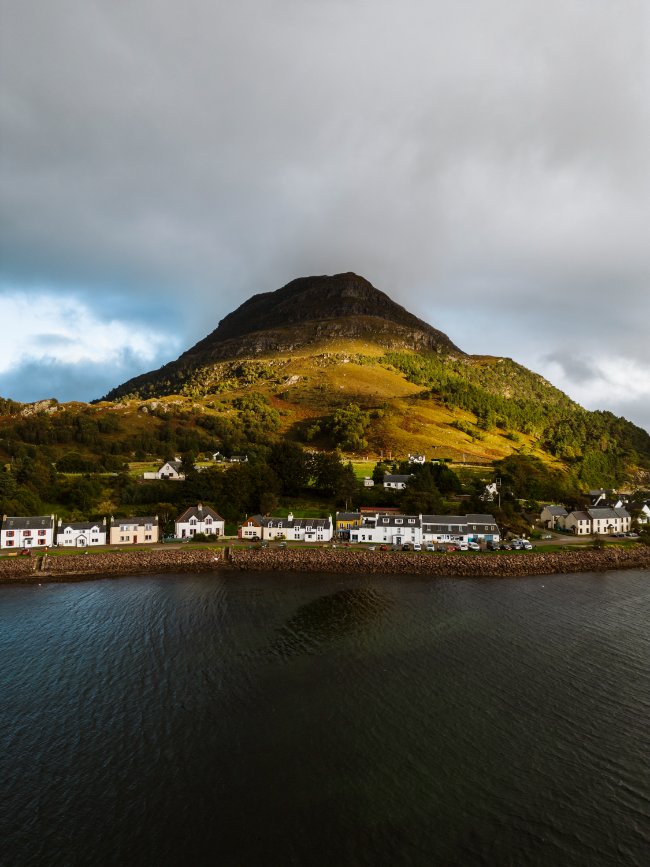
Final Thoughts

So, is the NC500 worth it? For most people, yes. The scenery is incredible, the roadside stops are endless, and the loop format means you see something new every day without ever backtracking. It also feels remote without being hard to reach, and the campervan infrastructure makes it easy to park up somewhere beautiful every night.
It is not for everyone, though. The narrow single-track roads take real concentration, the weather can be wet and windy, and the midges are a genuine nuisance in summer. Accommodation is pricey and books out fast, and while a campervan is a great workaround, it is still camping. If you are comfortable behind the wheel on challenging roads and you plan ahead, the rewards far outweigh the downsides.
If you have decided the NC500 belongs on your list, the next step is figuring out what to see. Our NC500 guide covers the best stops along the route, from sea caves and clifftop castles to the roadside cafes worth pulling over for. If you would rather have the route planned out for you, our NC500 itinerary breaks it into manageable driving days with stops, distances, and tips along the way.
FAQ
Is the NC500 worth it?
Why do people love the NC500?
What are the downsides of the NC500?
Is a campervan or a hotel better for the NC500?
Where does the NC500 start, and which direction should you drive it?
Our Trusted Travel Partners
We only recommend products and services we personally use and trust.

SafetyWing
Travel medical insurance for nomads and remote workers
Booking.com
Find the best deals on hotels, apartments, and vacation rentals
AllTrails
Discover hiking trails with detailed maps and reviews
Surfshark
Secure VPN for safe browsing and accessing content worldwide
Get Your Guide
Find the best deals on tours and experiences
Airalo
Prepaid SIM cards for travelers
Trusted Housesitters
Find free accommodation by house and pet sitting worldwide
Wise
Send and receive money internationally with low fees* We may earn a commission when you make a purchase through our affiliate links, at no extra cost to you. We appreciate this support, which helps sustain our blog and allows us to create more content and help more great trips get planned!