
-300.jpg)
Key Tips for Traveling South Korea
- Get a T-Money Card: Pick one up at any convenience store. It works for the subway, buses, and even taxis. You can reload it anywhere and save time fumbling with tickets.
- Download Naver Maps or Kakao Maps: Google Maps doesn’t really work in Korea. Naver and Kakao are the go-to for directions, transit, and walking routes.
- Learn a Few Phrases: Even though most people speak some English, a quick “Annyeonghaseyo” (hello) or “Kamsahamnida” (thank you) goes a long way.
- Stay Connected: Grab a physical SIM at the airport or set up an e-SIM before you arrive. South Korea has 3 major providers. SKT, KT, and LG U+. SKT is the biggest provider and has the best speeds and best coverage across rural areas. KT is also available across most rural areas. LG U+ is a budget option with great speeds in the cities, but less coverage in rural areas. Nomad and Holafly use SKT, Maya and Airolo use KT. All 4 options have you covered, so shop around for sales.
- Cash Still Matters: Cards are widely accepted, but some street food stalls and smaller shops still prefer cash. Keep a little won (₩) on you.
- Subway Etiquette: Keep quiet on public transport and let people exit before you get on. Elderly seats are for the elderly only; they stay empty and available no matter how busy the train gets.
-300.jpg&description=2-Week%20South%20Korea%20Itinerary%20(Ultimate%202025%20Guide))
2-Week South Korea Itinerary Overview
Here is the birds-eye-view of the itinerary.
- Seoul. The nation's capital is a massive modern metropolis. Countless interesting neighbourhoods to explore, shopping districts for everything you can think of, and some of the best cafe culture in the world.
- Gyeongju. Often called “the museum without walls.” Ancient tombs, temples, and royal relics are everywhere, making it easy to step back in time.
- Busan. Beaches, seafood, and a buzzing port city vibe. Coastal cliffs, markets, and temples all packed into one unforgettable city.
- Jeju Island. Korea’s natural playground. Volcanic peaks, waterfalls, and endless ocean views make it perfect for adventure or relaxation.
Days 1 to 5: Seoul


Seoul is a mix of cutting-edge modernity and centuries-old history. You can check out our full Seoul Travel Guide for all the tips and details, and here’s a briefer summary of how to get a balanced taste in five days:
- Rent a Hanbok & Visit Gyeongbokgung Palace. Dress up in traditional Korean clothing and explore the main royal palace. It’s a fantastic photo op and gives a fun glimpse into Korea’s past.
- Wander Through Bukchon Hanok Village. Step into a living museum with hundreds of preserved traditional Korean houses (hanoks) nestled under the modern skyscrapers.
- Take in the Views from Namsan Mountain. Hike, hop on the bus, or take the cable car up Namsan for panoramic city views and the iconic N Seoul Tower.
- Explore Ikseon-dong. A charming neighbourhood with narrow alleys, quirky cafes, and independent shops. It's a quieter alternative to the tourist-heavy areas.
- Shop & Eat at Myeongdong Night Market. Dive into Korea’s street food scene and trendy shops all in one bustling area.
- Starfield Library. A stunning, Instagram-ready space inside COEX Mall. Even if you’re not a bookworm, it’s worth seeing.


Extra Time in Seoul?
If you can add a day or two (or you’re a travel speed runner), check out:
- Cheonggyecheon Stream. A calm ribbon of water through the city center. Perfect for a relaxing stroll and a break from the hustle.
- Hongdae. Youthful, artsy, and energetic. Street performances, indie shops, and nightlife make it one of Seoul’s liveliest neighborhoods.
- Seongsu-dong. Hip cafés and creative spaces abound. Often called Seoul’s Brooklyn for its industrial-chic vibe and local designers.
- Gangnam. Flashy, fast, and modern. High-end shopping, entertainment, and a peek at Seoul’s luxury side.
- Day Trip to the DMZ. Book a guided tour to the Demilitarized Zone between North and South Korea for a sobering, eye-opening experience.
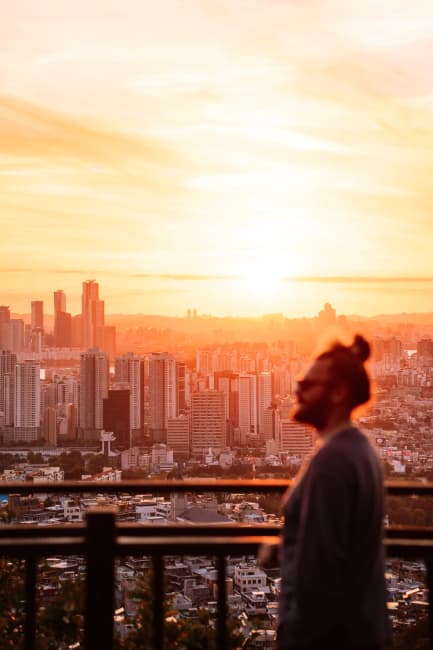
Where to Stay in Seoul

There are no shortages of accommodation options across the city. Everything from budget hostels and co-working spaces, to boutique guesthouses, to top-end luxury hotels. Our recommendation is to pick the neighbourhood that suits you best and narrow your search from there.
Seoul Neighbourhood Breakdown
- Insadong & Jongno: Cultural core with palaces, temples, teahouses, and craft shops. Great for first-time visitors who want more tradition.
- Myeongdong: The shopping and street food mecca. Bustling, bright, tourist-heavy, but an essential experience.
- Hongdae: Youthful, creative, and nightlife-driven. Street performers, indie cafes, art markets, and clubs.
- Itaewon: Global vibes, expat-heavy, with international food, rooftop bars, and a more alternative scene.
- Gangnam: Flashy, modern, and upscale. Skyscrapers, luxury shopping, and K-pop agency HQs.
- Bukchon & Ikseon-dong: Traditional hanok houses blended with trendy cafes and boutique shops.
- Yeouido: Business district on an island in the Han River. Known for cherry blossoms, bike paths, and big-city vibes with a riverside balance.
Day 6: Gyeongju

Gyeongju is packed with history and is less crowded than Seoul, making it perfect for a day trip or overnight stay.
- Rent Bikes & Explore Daereungwon Tomb Complex. Cycle around the grassy burial mounds of ancient kings. It’s peaceful, photogenic, and totally unique.
- Walk Across Woljeonggyo Bridge. A beautifully restored historic bridge, especially magical at sunset or at night when the lights turn on.
- Visit Donggung Palace at Night. This former secondary palace lights up with stunning night views and reflections.
- Stop by Bulguksa Temple. A UNESCO World Heritage site and one of Korea’s most important Buddhist temples.
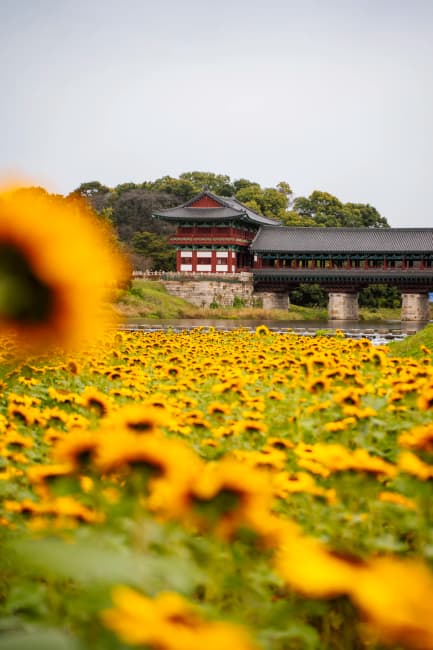
Where to Stay In Gyeongju

We stayed at the Maison Mini Hotel. It was a nice basic room with good common spaces. We found the location to be perfect; close to the bus station and a quick bike ride to most of the sights. A few other good options in the same area are The Aventa Hotel and The Gyeongju Coolstay Hotel.
You can also stay in the traditional Hanok Village. Popular options for a unique stay are HanokInn and SiEunJae. You can also search here to compare prices for all the options in the city.
Days 7 to 10: Busan

Busan has a different vibe from Seoul. It's warmer, coastal, and more laid-back. The fastest way to get here from Seoul is the KTX high-speed train, which takes about 2.5 to 3 hours and drops you right in the city center.
Budget travellers can also take intercity buses; they're slightly slower but more affordable. Once in the city, a T-Money card makes getting around by subway, bus, or even some taxis super easy.
For a deeper dive into planning your Busan visit, check out our full Busan Travel Guide. Or here we have a brief summary of the highlights:
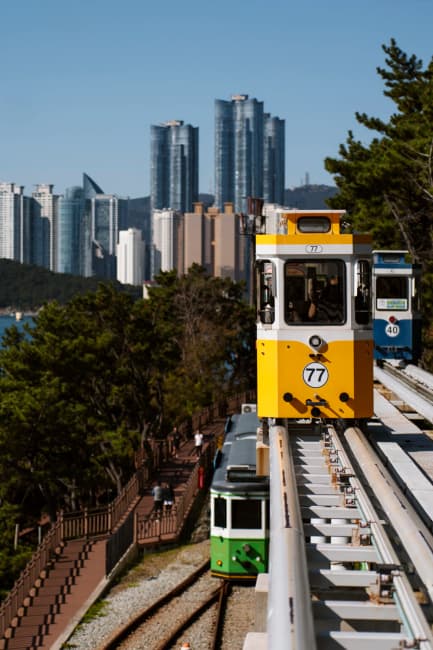
- Ride the Sky Capsules. Adorable cable cars with sweeping views of the coastline. 30 minute ride with a nice coastal walking path to get back.
- Explore Gamcheon Culture Village. Colorful hillside houses, murals, and quirky workshops make wandering here a visual treat.
- Visit Haedong Yonggungsa Temple. A seaside temple perched on cliffs where the ocean meets culture. Sunrise is especially pretty and is worth the early wake-up.
- Relax at Haeundae & Gwangalli Beaches. Sandy stretches perfect for a slow afternoon, local seafood, or sunset views over the water.


Extra Time in Busan?
If you can stretch your stay a bit, these spots are worth it:
- Oryukdo Skywalk. A glass walkway hanging over the cliffs with killer ocean views.
- Songdo Yonggung Suspension Bridge. Walk across this scenic bridge for a different perspective of the coastline.
- Songdo Cloud Trails & Cable Car. Gentle trails and a cable car ride with panoramic sea and city views.
- Huinnyeoul Culture Village. A quieter, artsy neighbourhood on the coast, perfect for a stroll and photos.
- Hike to Geumjeong Fortress. A historic fortress high on Geumjeong Mountain with trails that wind past temples and forest. The views from the top stretch across Busan, the coast, and Haeundae.
Where to Stay In Busan
Busan’s layout can feel spread out at first, so where you stay really shapes your experience.
If it’s your first visit, Haeundae Beach is hard to beat. You’re right by the water, close to the Sky Capsules, Blueline Park, and a ton of restaurants and cafés. It’s touristy, sure, but it’s also beautiful and convenient.
For a more local feel, Gwangalli Beach is a great pick. It has the same ocean views, fewer crowds, and an unbeatable sightline of Gwangandaegyo Bridge lighting up at night.
If you want to be in the middle of the action, Seomyeon is Busan’s downtown core. It’s where locals shop, eat, and stay out late. You won’t get ocean views, but you’ll have endless food options and easy subway connections.
Nampo-dong and Jagalchi Market make a solid base for food lovers. You’ll wake up surrounded by street markets, fresh seafood stalls, and walking access to BIFF Square.
For something quieter and artsy, Huinnyeoul Munhwa Maul or the hillside around Gamcheon Culture Village has small guesthouses that trade convenience for atmosphere.
Wherever you land, Busan’s public transit makes it easy to hop between districts, so don’t overthink it. Pick which area feels most like your vibe, and then you can compare all the options here.
Days 11 to 14: Jeju Island


Jeju Island is Korea’s natural playground. Volcanic peaks, waterfalls, and endless coastal views make it ideal for a mix of adventure and relaxation. It’s where you can swap city streets for forest trails, dramatic cliffs, and quiet beaches. The fastest way to get here from Busan is a short domestic flight (about an hour), though ferries are an option from the south coast if you want a scenic ride. Once you’re on the island, renting a car is the easiest way to get around. Public transport is limited outside the main towns, but there is a bus line that connects each community along the main highway.
- Hike Hallasan Mountain. South Korea’s highest peak and a UNESCO World Heritage Site. You can do a full summit hike if you’re up for it, or pick a shorter trail for sweeping views, volcanic landscapes, and forests.
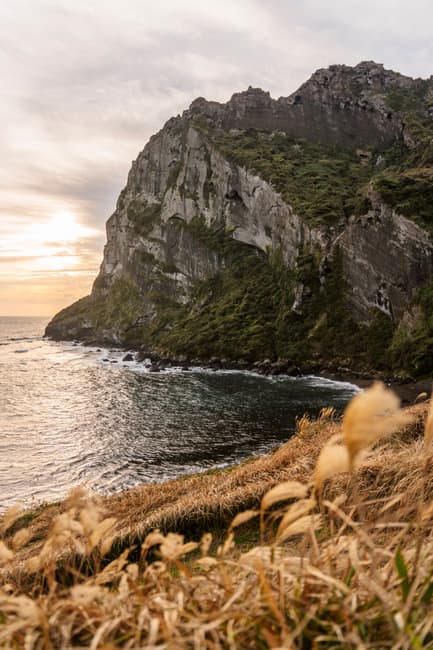
- Climb Seongsan Ilchulbong (Sunrise Peak). A volcanic crater rising from the east coast. Short, steep climb to panoramic ocean views. Going for sunrise is especially rewarding.
- Watch the Haenyeo (Female Divers). Witness Jeju’s legendary women free-divers in action at Seongsan or check out the Haenyeo Museum to learn about their history and culture.
- Explore Jeju’s Waterfalls. Cheonjiyeon and Jeongbang Waterfalls are easy to reach and offer a refreshing break, dramatic scenery, and great photo ops.
- Visit the East Coast Café Strip. After a hike or waterfall visit, wander the seaside cafés near Seongsan for ocean views, coffee, and a slower pace.

Extra Time in Jeju?
If you can stretch your stay, add these spots:
- Hamdeok Beach. Soft sand and calm waters make this a perfect place to slow down, swim, or just soak up the sun.
- Hallasan Mountain. Even if you skipped the summit earlier, shorter trails still give volcanic landscapes, forests, and great views without a full-day commitment.
- Cheonjeyeon Falls. A series of three waterfalls on the south coast. Easy walks and dramatic scenery make it worth a stop.
- O’Sulloc Tea Museum. Learn about Jeju’s famous green tea, stroll the fields, and sample matcha desserts.
- Udo Island. A quick ferry from Seongsan. White coral beaches, bike rentals, and quiet coastal roads.
Where to Stay On Jeju Island
Jeju’s surprisingly big (about the size of Maui), so where you stay makes a big difference. Most travellers base themselves in one of two main areas: Jeju City (north) or Seogwipo (south). Each has its perks depending on what kind of trip you’re after.
Jeju City (North)
Jeju City is the main hub near the airport and ferry terminals, making it the most convenient base for short trips or early flights. It’s packed with restaurants, cafés, and shops, and it’s a great launch point for Manjanggul Lava Tube, Hamdeok Beach, and most tours use the city as the pickup point. You’ll find everything from sleek boutique hotels to affordable guesthouses here. The vibe is busier and more urban. Perfect if you like having amenities close by.
Top Recommendations for Jeju City:
- Guest House Brick is a great backpackers' option. It has a common kitchen and is located near the main bus terminal.
- Ventimo Hotel & Residence Jeju is a great option is you want to be near the airport (ideal if you have an early departing flight)
- MIDO Hostel is a great budget option with dorms and a fun social dynamic.
Seogwipo (South)
Seogwipo is Jeju’s slower scenic side, surrounded by waterfalls, cliffs, and beaches. It’s quieter and greener than Jeju City, with many hotels perched on coastal bluffs overlooking the sea. If you want to be closer to nature or are planning to hike, this is where you want to be.
Top Recommendations for Seogwipo:
- Casaloma Hotel is a great upscale option with a rooftop pool, buffet breakfast, and a rooftop terrace that looks out to the sea.
- Hotel Yeon is a great option if you value being right on the beach.
There are other guest houses and hotels spread out across the smaller communities around the island. You can see all the options here.
Day 15: Fly Back to Seoul or Onto Your Next Destination

Most international flights leave from Seoul’s Incheon Airport, so you will probably pass through coming from Jeju. If you have extra time, Seoul is worth a couple more days before you head home (even if you just take a few hours of a layover to stock up on skin care).
Speaking English In Korea
We found that most Koreans really appreciate it when visitors make a small effort with the language. Even a few words go a long way. English is common in big cities like Seoul and Busan, but less so in smaller towns or local restaurants. A translation app like Papago (better than Google Translate for Korean) can be a lifesaver for menus and signs.
Here are a few basics worth knowing:
| English | Translation | Phonetic |
|---|---|---|
| Hello | 안녕하세요 | ahn-nyung HAH-seh-yo |
| Please | 제발 / 부탁합니다 | cheh-BAL / boo-tak-ham-NEE-da |
| Thank you | 감사합니다 | gahm-sa-HAM-nee-da |
| Excuse me / Sorry | 실례합니다 | shil-lyeh-HAM-nee-da |
| Where is...? | 어디에 있어요? | uh-dee-eh EE-ssuh-yo |
Don’t stress about pronunciation too much; you will improve a lot with the common words quickly. A smile and a bit of effort are what counts. No one is going to expect you to be fluent.
How to Book Hotels In South Korea
For South Korea we found Booking.com the most reliable option for guest houses and hotels. And HostelWorld is best for budget stays in shared rooms and hostels.
When to Visit South Korea
South Korea has four distinct seasons, and when you go can completely change the vibe of your trip.
- Spring (April to June) This is the sweet spot with cherry blossoms, mild weather, and blue skies. Seoul and Gyeongju are covered in pink blooms, and it’s comfortable for walking and sightseeing. Just book early, because the cherry blossom season draws crowds.
- Summer (July to August) Hot, humid, and rainy. This is beach season, though, so if you’re heading to Busan or Jeju Island, it’s still a great time to go. Just pack light clothes and expect short daily downpours.
- Autumn (September to November) Arguably the best time to visit. The weather is crisp and clear, the fall colours are incredible (especially in the mountains), and crowds thin out after October. It’s the easiest season to travel comfortably across the country.
- Winter (December to March) Cold but beautiful. Seoul can dip below freezing, but it’s dry and sunny, and the snow makes temple visits and mountain hikes feel cinematic. If you’re into skiing, the slopes around Pyeongchang are world-class. This itinerary isn’t really ideal for the winter, though.
Final Thoughts

The tourism in Korea is highly developed, so parts of the experience can feel pretty on the rails. But there is a heavy cultural focus on fun that makes you not mind so much. Having fun and making things as mundane as a trip to the shops as fun as possible is baked into everything in Korea. Take photos shamelessly with friends and props in the photobooths. Belt out your favourite songs (even if you can’t sing) at karaoke. There isn’t the same stigma around being ‘cringe’ that there is in North America or the UK, so it's the funnest place on Earth to do the most touristy or dorky-feeling things.
FAQ
What is the best way to travel between Seoul, Gyeongju, Busan, and Jeju?
How long should I spend in each destination on a 2-week trip?
What are must-see attractions in Seoul?
What should I do in Gyeongju?
What are highlights in Busan during a short visit?
How do I get around Busan?
What should I do in Jeju Island?
Is public transport in Korea easy for tourists?
Do I need Korean language skills?
When is the best time to visit South Korea?
How do I book accommodations in South Korea?
Is it easy to see all the highlights in two weeks?
Our Trusted Travel Partners
We only recommend products and services we personally use and trust.

SafetyWing
Travel medical insurance for nomads and remote workers
Booking.com
Find the best deals on hotels, apartments, and vacation rentals
AllTrails
Discover hiking trails with detailed maps and reviews
Surfshark
Secure VPN for safe browsing and accessing content worldwide
Get Your Guide
Find the best deals on tours and experiences
Airalo
Prepaid SIM cards for travelers
Trusted Housesitters
Find free accommodation by house and pet sitting worldwide
Wise
Send and receive money internationally with low fees* We may earn a commission when you make a purchase through our affiliate links, at no extra cost to you. We appreciate this support, which helps sustain our blog and allows us to create more content and help more great trips get planned!