

Where to Stay (Before It’s Fully Booked)
1. What Is There to Do in South Korea?
South Korea packs a ton into a small country. Whether you’re into history, food, hiking, or nightlife, there’s something here for every kind of traveller.
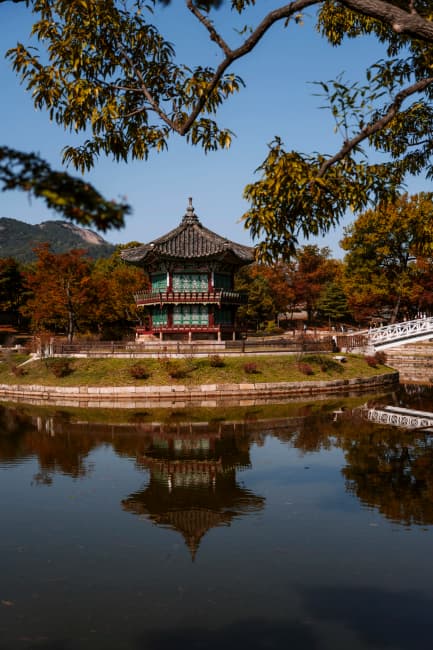
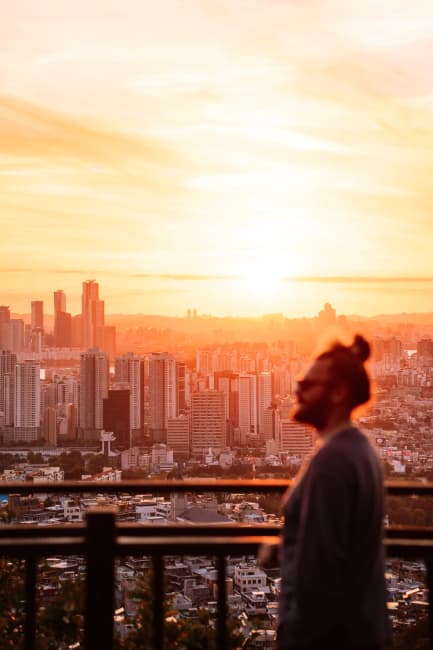
Start with Seoul, where ancient palaces meet modern skylines. Spend your mornings exploring Gyeongbokgung Palace or Bukchon Hanok Village, and your nights wandering through Hongdae’s music scene or Gangnam’s bars and shops.

Head south to Busan for beaches, seafood, and mountain views. It’s got a relaxed, coastal vibe that balances out Seoul’s intensity.

Then there’s Gyeongju, often called “the museum without walls,” filled with royal tombs, temples, and centuries of history you can actually walk through.

If you love nature, Jeju Island is a must. Hike Hallasan Volcano, explore lava tubes, or chase waterfalls between small fishing towns.


For something totally different, take a DMZ tour north of Seoul and see the world’s most unique border firsthand.

Beyond the big names, smaller towns like Andong, Jeonju, and Suncheon offer traditional culture, slow living, and authentic food scenes. Korea’s national parks are also stunning and are perfect for hiking, especially in autumn.
There’s no shortage of day trips, cultural tours, and unique local experiences. From temple stays and K-pop dance classes to Korean cooking workshops and night market food tours.
Browse top-rated tours and experiences in South Korea here.
2. Is South Korea Expensive to Visit?
South Korea isn’t a budget destination like Southeast Asia, but it’s not outrageously expensive either. Costs depend on where you go and how you travel. Seoul and Busan are pricier, especially for hotels, trendy cafés, and fine dining. Street food, local markets, and public transport are affordable, so you can balance splurges with budget-friendly options.
Overall, it’s possible to travel comfortably on a moderate budget without missing out on experiences.
Here are some general price ranges from our visit in 2024 for context:
- Street food/snacks: ₩2,000–₩5,000 ($1.50–$3.50 USD)
- Casual café drink/coffee: ₩4,000–₩6,000 ($3–$4.50 USD)
- Budget lunch/dinner: ₩7,000–₩12,000 ($5–$9 USD)
- Mid-range restaurant meal: ₩15,000–₩25,000 ($11–$19 USD)
- Taxi start + short ride: ₩3,000–₩5,000 ($2–$4 USD)
- Subway/Bus single ride: ₩1,250–₩1,500 ($1–$1.20 USD)
- Hostel dorm bed: ₩15,000–₩25,000 ($11–$19 USD)
- Mid-range hotel double room: ₩70,000–₩150,000 ($52–$112 USD)
- Tourist attraction entrance fees: ₩3,000–₩15,000 ($2–$11 USD)
3. What Is The Cheapest Way to Get Around South Korea?
Public transport is the easiest and cheapest way to get around. Subways and buses in cities like Seoul, Busan, and Daegu are fast, clean, and reliable, and a T-Money card works on almost all of them. For longer distances between cities, intercity buses are usually cheaper than trains, though Korea’s KTX high-speed trains save time if you’re willing to spend a bit more. Taxis are convenient for short trips, but can add up quickly.
4. Is 10 Days Long Enough In South Korea?
Yes, 10 days is enough to get a solid overview of the country, though you’ll need to prioritize what you see. You can spend a few days in Seoul exploring palaces, neighbourhoods, and markets, then add a few days for nearby destinations like Gyeongju or the DMZ.
But if you want to include Busan, Jeju, or the mountains, you’ll need to add on some more time.
Ten days works well for a mix of city, culture, and history without feeling too rushed, but there is so much to see that a much longer trip is possible, too.

5. What Are Some Basic Korean Etiquette Rules Travelers Should Know?
Korea is modern and fast-moving, but manners still matter. Locals appreciate it when visitors show respect for traditions, even in casual settings. Here are a few key etiquette tips to keep in mind:
- Bowing: A small bow or nod is the standard greeting and a way to say thank you. You don’t need to go full formal; just a polite dip of the head goes a long way.
- Two Hands: When giving or receiving something (like money, a drink, or a business card), use both hands. It’s a small gesture that shows respect.
- Shoes Off: Always remove your shoes when entering someone’s home, traditional accommodations (like hanoks), and some restaurants or temples.
- Quiet Voices: Public spaces like subways, buses, and cafés are generally quiet. Loud conversations or phone calls stand out in a bad way.
- Respect for Elders: Age plays a big role in Korean culture. Let older people board first, pour drinks for them before yourself, and avoid overly casual language or behaviour.
- Don’t Stick Chopsticks Upright: It resembles a funeral ritual. Lay them across your bowl or on a rest instead.
- Public Behaviour: PDA is low-key. Hand-holding is fine, but anything more is considered inappropriate.
- Tipping: Not expected. Politeness and gratitude go further than cash.
It’s not about following every rule perfectly, but showing you care enough to try. Koreans notice, and they’ll often go out of their way to return that respect.
Where to Stay (Before It’s Fully Booked)
6. How Much Does Food Cost In South Korea?
Food costs vary depending on where and what you eat. Street food and casual meals usually run ₩3,000–₩10,000 ($2–$7 USD). Sit-down Korean restaurants average ₩10,000–₩20,000 ($7–$15 USD) per person, while more upscale dining can be ₩30,000+ ($20+ USD). Cafés, dessert shops, and specialty drinks typically cost ₩5,000–₩10,000 ($4–$7 USD). You can eat well without breaking the bank by mixing street food, local restaurants, and occasional splurges.
7. Can I Use Google Maps in South Korea?
Not really. Google Maps technically works in South Korea (it's not blocked), but it’s unreliable for navigation. Due to local data restrictions, Google doesn’t have full access to detailed map data, so walking and driving directions are often inaccurate or incomplete. You can still use it to find major landmarks, restaurants, and hotels, but it struggles with turn-by-turn routes and public transport info.
Instead, download Naver Maps, the go-to app locals use. It has English language settings and accurate directions for walking, transit, and driving.
Pro tip: Type addresses in Korean for the best results, or copy them from Google into Naver.
8. Where Should I Visit In South Korea?
It depends on what you want to see.
- Seoul is a must for city life, palaces, markets, and nightlife.
- Busan offers beaches, seafood, and mountains.
- Gyeongju is perfect for history and temples.
- Jeju Island is ideal for nature and outdoor adventures.
- Smaller towns like Andong or Suncheon give a glimpse of traditional culture.
A mix of cities, historical sites, and nature spots gives the most balanced experience.
9. Do I Need a Visa For South Korea?
It depends on your nationality. Many countries, including the U.S., Canada, EU nations, and Australia, can enter South Korea for short stays (usually up to 90 days) without a visa for tourism. Some nationalities need to apply in advance. Always check the latest requirements before you travel, as rules can change.
10. How Do I Prepare For A Trip To South Korea?
Start by:
- Checking your passport validity (needs 6+ months left) and visa requirements.
- Booking flights early for the best rates.
- Securing accommodation in areas near subway access (Seoul: Hongdae, Myeongdong, Gangnam).
- Locking in any must-see tours or attractions in advance (DMZ, Gyeongbokgung, Nami Island, etc.).
- Downloading essential apps:
- Naver Maps or Kakao Maps (Google Maps barely works)
- Papago (translation)
- KakaoTalk (messaging)
- Subway Korea or KakaoMetro (for transport)
- T-Money or Klook (for tickets/passes)
- Learning a few basic Korean phrases for politeness and ease.
- Setting up an eSIM or portable Wi-Fi before you land.
Then:
- Get a T-Money card (or app) for subway and bus travel.
- Bring a universal power adapter (Korea uses Type F, 220 V).
- Exchange a bit of cash (₩) before arrival - card works almost everywhere, but some small shops still prefer cash.
- Save directions in Korean for your hotel (taxi drivers rarely use English).
- Plan for weather and clothing - it swings fast between seasons.
- Make a folder of offline reservations, QR codes, and copies of your passport.
- Consider travel insurance that covers medical emergencies and electronics.
Where to Stay (Before It’s Fully Booked)
11. Do I Need to Tip In South Korea?
No, tipping isn’t expected in South Korea and is actually uncommon. Service charges are usually included in your bill at restaurants, cafés, and hotels. If you feel compelled to leave a small token of appreciation at high-end establishments, it’s fine, but it’s never required.


12. How Do I Use Public Transport in South Korea?
Public transport is clean, efficient, and easy to use. In cities, subways and buses are the main options. Get a T-Money card at a convenience store. It works on nearly all buses, subways, and even some taxis. Simply tap in and out when boarding and exiting. Download Naver Maps for directions and transit info, as Google Maps isn’t reliable in Korea.


13. Should I Rent a Car in South Korea?
For most travellers, renting a car isn’t necessary. Cities have excellent public transport, and parking can be expensive and hard to find.
A car is useful if you’re exploring rural areas, mountains, or Jeju Island, where buses are less frequent. If you’re visiting Jeju Island, you can compare all the available car rental deals here.
14. Is South Korea Vegan or Vegetarian Friendly?
South Korea can be challenging for strict vegans outside of the major cities, but vegetarians do okay. Many traditional dishes include meat or fish, and even seemingly vegetable-based dishes can use fish sauce or broth. That said, temple cuisine is fully vegetarian and widely available, and there’s a growing number of vegan cafés, restaurants, and international chains in cities like Seoul and Busan. Learning key Korean words for “no meat” (meat: 고기, gogi) and “no seafood” (해산물, haesanmul) helps, and apps like HappyCow can point you to options.
15. What is the best SIM/eSim Card for South Korea?
South Korea has 3 major providers. SKT, KT, and LG U+. SKT is the biggest provider and has the best speeds and best coverage across rural areas. KT is also available across most rural areas. LG U+ is a budget option with great speeds in the cities, but less coverage in rural areas. Nomad and Holafly use SKT, Maya and Airolo use KT. All 4 options should have you covered, so shop around each of them for sales, or pick up a physical SKT SIM from the airport when you land.
You can browse e-SIM deals here.
16. How Do I Book Hotels in South Korea
Booking hotels is straightforward. Major cities and tourist areas have options ranging from guesthouses and hostels to mid-range hotels and luxury stays. You can use global booking platforms like Booking.com, Agoda, or Expedia. Many hotels offer free cancellation, so it’s easy to adjust plans. For popular spots, especially in peak seasons, book in advance to secure the best rates.
Booking.com is our go-to platform for most of Asia.
17. Is it Safe to Travel to South Korea?
Yes. South Korea is generally very safe for travellers, with low crime rates in cities and rural areas alike. Public transport is secure, streets are well-lit, and emergency services are reliable. Usual travel precautions apply. Watch your belongings in crowded areas and follow local laws, but overall, it’s a low-risk destination for solo travellers, families, and groups.
The main safety risk is the tensions with North Korea. Situations can always change quickly when tensions are this high. But the risk is pretty minimal for travellers. Conflicts are extremely rare, and tourist areas and major cities remain safe. The government issues clear travel advisories if anything changes, and tours to sensitive areas like the DMZ are tightly controlled with strict security measures.
18. Why is Jeju Island Famous?
Jeju Island is famous for its natural beauty, volcanic landscapes, and unique culture. Highlights include Hallasan Mountain, lava tubes, waterfalls, and scenic coastal cliffs. It’s also known for outdoor activities like hiking, beaches, and water sports. The island’s slower pace, fresh seafood, and distinctive local traditions make it a popular getaway from the mainland.

Where to Stay (Before It’s Fully Booked)
19. Are Korean convenience stores really that good?
Yes! They absolutely live up to the hype. Korean convenience stores (CU, GS25, 7-Eleven) are in a league of their own. They’re spotless, well-stocked, and open 24/7 almost everywhere, from city corners to remote coastal towns.
You can grab everything from ready-to-eat kimbap rolls and bibimbap bowls to hot ramen that you make right in the store with the built-in kettles and microwaves.
Most have tables inside or just outside, so you’ll see locals eating late-night snacks or grabbing a quick breakfast.
There’s also a surprising amount of crossover with Korean pop culture, with seasonal collabs, trendy drinks, and limited-edition snacks that locals genuinely get excited about.
If you’re travelling on a budget, these stores are a lifesaver: fast, cheap, and actually good.
Tip: Try a “triangle kimbap” (삼각김밥) - the tuna mayo or bulgogi ones are classics. Pair it with a can of coffee and you’ve got a five-minute breakfast for under $3.
20. Can You Use Credit Cards in South Korea?
Yes, credit and debit cards are widely accepted in cities at restaurants, shops, cafés, and hotels. Major cards like Visa, Mastercard, and American Express usually work. That said, smaller vendors, street food stalls, and some rural businesses may only accept cash, so it’s smart to carry a little won (₩) just in case.

21. Can I Drink Alcohol in South Korea?
Yes. The legal drinking age is 19 (Korean age, 18 international). Alcohol is widely available in convenience stores, restaurants, and bars. There is no outright ban on drinking in public in South Korea, but there is an etiquette to follow. People generally only drink at bars or bring a few beers with them on a picnic; you won’t see people loitering on the streets or walking down the sidewalk with an open drink.
22. Are Taxis Safe and Affordable?
Yes. Taxis are safe, metered, and reliable. Apps like Kakao T make hailing a taxi easy, even without speaking Korean.
23. Can I Travel South Korea on a Budget?
Absolutely. South Korea isn’t as cheap as some parts of Southeast Asia, but it’s very possible to explore without breaking the bank. Public transport is your best friend. Subways, buses, and even intercity trains are efficient, clean, and affordable. Grab a T-Money card once you arrive in Seoul or Busan, and you can hop on nearly any bus or subway without fumbling for cash. For longer trips between cities, intercity buses are cheaper than KTX high-speed trains, though the KTX saves time if your itinerary is tight.
Accommodation options are surprisingly flexible for budget travelers. Guesthouses, hostels, and even capsule hotels are widely available in cities, often including breakfast or communal kitchens, so you can save on meals. Prices for dorm beds typically range from ₩15,000 to ₩25,000 ($11 to $19 USD), while private rooms in budget guesthouses might cost ₩40,000 to ₩70,000 ($30 to $52 USD).
Food is another place to stretch your budget. Street food and local markets are cheap, filling, and tasty: tteokbokki, kimbap, hotteok, and fish cakes for ₩2,000 to ₩5,000 ($1.50 to $3.50 USD) each. Small local restaurants offer meals for ₩7,000 to ₩12,000 ($5 to $9 USD), and even cafés can be affordable if you skip fancy drinks. Mixing street eats with occasional mid-range meals keeps costs reasonable without sacrificing experience.
For sightseeing, many attractions are free or low-cost. Palaces, museums, and temples often charge ₩3,000 to ₩10,000 ($2 to $7 USD), and hiking trails, gardens, and public parks are free. Even tours and cultural experiences can be budget-friendly if you book in advance or choose half-day options.
With careful planning, public transport, and a mix of street food, hostels, and selective splurges, you can travel comfortably in South Korea on a moderate budget. You’ll get the full experience for a fraction of the price and without feeling like you’re cutting corners.

24. Is South Korea Family-Friendly?
Yes, South Korea is very family-friendly, and there’s plenty to keep kids and adults entertained. Cities are clean, safe, and easy to navigate with strollers or young children. Public transport has elevators and escalators at most subway stations, and taxis are safe and reliable. Many museums, parks, and attractions offer hands-on experiences or interactive exhibits that appeal to kids, like the National Folk Museum in Seoul or the Alive Museum with its optical illusions and photo-friendly setups.
For outdoor fun, there are city playgrounds, riverside parks, and hiking trails suitable for families, and many temples and palaces offer spacious grounds where kids can run around while parents soak in the culture. Theme parks like Lotte World and Everland are hugely popular with families and have rides and shows for all ages, from toddlers to teens. Even small towns and rural areas are family-oriented, with local markets, animal farms, and kid-friendly cafés that often include play areas.
Dining is generally family-friendly too. Restaurants are accommodating to children, offering high chairs and kid portions, and street food is fun for kids to try small bites without a big commitment. While you won’t find playgrounds everywhere, the combination of cultural experiences, outdoor spaces, and organized attractions makes South Korea an easy and enjoyable destination for families traveling with children of all ages.
25. Do I Need Any Vaccines to Travel to South Korea?
For most travellers, no special vaccines are required beyond routine immunizations like MMR, tetanus, and diphtheria. It’s recommended to be up to date on hepatitis A and B, and Japanese encephalitis if you plan to spend time in rural or agricultural areas. Always check with your doctor or a travel clinic for the latest recommendations based on your health and itinerary.


Where to Stay (Before It’s Fully Booked)
26. Can I Drink The Tap Water in South Korea?
Technically, yes. Tap water in South Korea is treated and considered safe to drink. That said, many locals and travellers prefer bottled or filtered water due to taste or occasional plumbing concerns in older buildings. Bottled water is cheap and widely available, so it’s easy to stay hydrated without worry.
27. What Should I Pack For South Korea?
Pack light but smart. Korea’s weather swings fast, and you’ll be walking more than you think. Here’s what we recommend:
Essentials:
- Comfortable walking shoes: Cities are built for exploring on foot.
- Reusable water bottle: Tap water is safe to drink almost everywhere.
- Power adapter: South Korea uses Type F plugs (220V). Bring a universal adapter if you’re coming from North America.
- Portable charger: Between maps, translation, and photos, your phone will never get a break.
- Travel card holder: You’ll use your T-Money card constantly for subways and buses.
Clothing by Season:
- Spring (Apr to May): Light layers, jeans, sneakers, and a jacket for cool mornings and evenings.
- Summer (Jun to Aug): Breathable fabrics, shorts or airy dresses, a hat, and sunscreen.
- Fall (Sep to Nov): Similar to spring, but with slightly warmer layers and a light coat.
- Winter (Dec to Mar): It’s cold. Bring a down jacket, gloves, a scarf, and warm socks.
Other Handy Items:
- Umbrella or rain jacket: Summer monsoon season can surprise you.
- Small backpack or tote: Perfect for day trips or carrying café finds.
- Basic meds: Pharmacies are common but not always English-friendly.
- A stylish outfit: Koreans dress well, so you’ll feel more at home in cafés and restaurants if you do too.
You can buy almost anything in Korea if you forget it, but prices on imported brands (especially cosmetics and electronics) can be higher than back home, so plan accordingly.
28. Is It Easy to Travel South Korea Without Speaking Korean?
Yes, especially in cities and tourist areas. Most signs, menus, and transport information include English, and younger people often speak some English. Apps like Google Translate are extremely helpful if you do get stuck on a language barrier. Learning a few basic phrases like “hello” (annyeonghaseyo) and “thank you” (kamsahamnida) goes a long way and is appreciated by locals.
29. Do I Need a Lot of Cash In South Korea?
Some but not much. Credit and debit cards are widely accepted in cities, restaurants, shops, and even taxis. That said, some street food stalls, smaller markets, and rural businesses still prefer cash, so it’s smart to carry a little won (₩) for convenience. ATMs are easy to find, and most accept international cards.
30. When Is The Best Time to Visit South Korea?
Spring (April to June) and fall (September to November) are generally the best times. Temperatures are mild, skies are clear, and the country is at its most scenic with cherry blossoms in spring and autumn leaves in fall. Summer is the worst time to visit; it can be hot, humid, and rainy (like hotter and more humid than you’ve probably experienced before if you haven't been to Asia). Winter is cold but clear, with opportunities for skiing and festive winter lights. Timing depends on whether you prioritize sightseeing, festivals, or outdoor activities.
FAQ
What should I do in South Korea?
Is South Korea expensive to visit?
How do I get around South Korea cheaply?
Is 10 days enough to visit South Korea?
What are basic Korean etiquette rules travelers should know?
How much does food cost in South Korea?
Can I use Google Maps in South Korea?
Do I need a visa for South Korea?
Do I need to tip in South Korea?
Should I rent a car in South Korea?
Is South Korea vegan or vegetarian-friendly?
Which SIM or eSIM should I get for South Korea?
How do I book hotels in South Korea?
Is South Korea safe for travelers?
Why is Jeju Island famous?
Can I use credit cards in South Korea?
Can I drink alcohol in South Korea?
Are taxis safe and affordable?
Can I travel South Korea on a budget?
Is South Korea family-friendly?
Do I need vaccines for South Korea?
Can I drink the tap water in South Korea?
What should I pack for South Korea?
Is it easy to travel South Korea without speaking Korean?
Do I need a lot of cash in South Korea?
When is the best time to visit South Korea?
Our Trusted Travel Partners
We only recommend products and services we personally use and trust.

SafetyWing
Travel medical insurance for nomads and remote workers
Booking.com
Find the best deals on hotels, apartments, and vacation rentals
AllTrails
Discover hiking trails with detailed maps and reviews
Surfshark
Secure VPN for safe browsing and accessing content worldwide
Get Your Guide
Find the best deals on tours and experiences
Airalo
Prepaid SIM cards for travelers
Trusted Housesitters
Find free accommodation by house and pet sitting worldwide
Wise
Send and receive money internationally with low fees* We may earn a commission when you make a purchase through our affiliate links, at no extra cost to you. We appreciate this support, which helps sustain our blog and allows us to create more content and help more great trips get planned!