
Key Tips for Visiting Gyeongju

- Rent a bike: The tourist attractions are scattered around the ancient city. It's mostly flat ground and easy to ride around. A bike will save you loads of time walking between sites.
- Download Naver or KakaoMaps: Some temple areas are tricky to navigate without help.
- Cash is handy: Many smaller cafes, shops, and local markets prefer cash (₩).
- Start early: Temples, tombs, and the observatory are best visited in the morning before tour groups arrive.
- Stay Connected: Set up an eSim before you arrive. South Korea has 3 major providers. SKT, KT, and LG U+. SKT is the biggest provider and has the best speeds and best coverage across rural areas. KT is also available across most rural areas. LG U+ is a budget option with great speeds in the cities, but less coverage in rural areas. Nomad and Holafly use SKT, Maya and Airolo use KT. All 4 options should have you covered, so shop around each of them for sales, or pick up a physical SKT SIM from the airport when you land.
)
- Respect the sites: Gyeongju is full of sacred spaces and historical relics; don't climb tomb mounds or touch artifacts.
- Try local snacks: Gyeongju bread (Hwangnam-ppang) is famous. It's a small red bean-filled pastry that is perfect for a mid-walk treat.
- Visit the temples at night: Donggung Palace & Wolji Pond put their lights on at night, and it's a spectacle that draws a massive crowd every night.
- Short on Time? If you don't have enough room in your itinerary to fit a full trip in, consider booking a day tour from Busan to get a quick look at the highlights:
Location Map
All locations mentioned in this blog are pinned here so you can visualize your trip!12 Best Things to Do in Gyeongju, South Korea
1. Visit The Donggung Palace

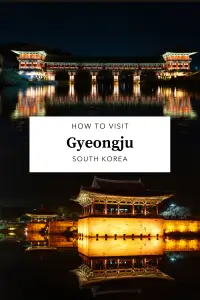
Donggung Palace was the secondary palace of the Silla kings, and it sits alongside the beautifully restored Wolji Pond (formerly Anapji). The site is stunning, especially in the evenings when the pond reflects the palace structures and surrounding trees.
It's an easy place to wander at your own pace, and there are plenty of spots to pause and take in the reflections on the water. Photography is popular here, particularly at sunset when the light hits the pond just right and at night when the whole place lights up. The palace grounds are expansive, but it's small enough to explore in an hour or two without rushing.
The site is near Gyeongju City Center, and you can get there via local bus or a short taxi ride. Admission is about ₩3,000 ($2 USD), and the grounds are open year-round. Evening visits are particularly beautiful because the lights illuminate the pond and palace, creating a magical atmosphere.
2. Check Out Cheomseongdae Observatory


Cheomseongdae is one of the oldest surviving astronomical observatories in the world and a fascinating glimpse into the scientific thinking of the Silla Kingdom. Built in the 7th century, it's a simple but striking stone tower that was used to study the stars and track the seasons. Even though it's small compared to other historical sites, its historical significance is huge.
The observatory sits in a park-like area that's easy to walk through, making it an easy stop on the way between other sites. It's easy to snap photos from all angles, and there are informational signs explaining the tower's design and astronomical purpose.
Cheomseongdae is located within walking distance from Gyeongju City Center and is free to visit. The site is compact and accessible year-round, so it's perfect for a short stop, whether you're cycling through the city or walking between other nearby historic sites. Early morning or late afternoon is ideal for photos when the light softens the stone's texture.
Fun fact: the tower is made of 362 stones, one for each day of the lunar year.
3. Wander The Daereungwon Tomb Complex


Daereungwon is where Gyeongju's Silla royalty were laid to rest, and it's one of the largest and most impressive tomb sites in the city. The massive grassy mounds rise subtly from the landscape, but don't let their calm appearance fool you; under each one hides a stone chamber, built to protect treasures and the remains of ancient kings and queens. Walking among these tombs, you can feel how far the city's history stretches back.
The site is peaceful and spacious, perfect for a slow stroll. There are a few informational signs explaining the significance of the larger mounds, and some tombs have been excavated and partially opened for viewing. Photography is allowed and isn't considered disturbing the burials, but still best not to do silly poses in an ancient cemetery.
Daereungwon is about a 10-minute bus ride or a 15-minute bike ride from Gyeongju City Center. Admission is roughly ₩2,000 ($1–$2 USD), and it's open year-round. Weekdays are ideal for visiting if you want a quiet experience, while weekends bring local families and school groups, which adds a lively but still relaxed atmosphere.
4. Cross The Woljeonggyo Bridge

Woljeonggyo Bridge is a beautifully reconstructed stone bridge that dates back to the Unified Silla period, originally built in the 7th century. Stretching gracefully across a calm section of the river, it's one of Gyeongju's most photogenic spots. The bridge's symmetry, stone carvings, and reflection on the water make it feel cinematic, especially in the early morning or at sunset.
It's popular with couples and photographers, but it's spacious enough that you can wander at your own pace, find a secluded photo spot, and stop to enjoy the views. Alongside the bridge, small paths lead to the riverbanks.
Woljeonggyo is about a 10-minute taxi ride or a 15 to 20-minute walk from Gyeongju City Center. There's no admission fee, and it's open year-round.
Fun fact: the bridge was reconstructed based on historical records and old photographs, using traditional methods to preserve its Silla-era charm. The surrounding area also lights up beautifully at night, giving a whole new perspective, if you're around after sunset.
5. Gyochon Hanok Village
Gyochon Hanok Village is a charming corner of Gyeongju where traditional Hanok houses have been carefully preserved, giving a glimpse of what life might have looked like during the Silla and Joseon periods. The narrow alleys, tiled roofs, and wooden architecture make for an interesting open-air museum.
It's smaller and quieter than Bukchon in Seoul, but it's the same sort of vibe. Many of the Hanoks have been converted into cafes, guesthouses, or small workshops, so you can stop for tea, pick up a handmade souvenir, or simply enjoy the architecture.
Gyochon is about a 15-minute bus ride or 20-minute bike ride from Gyeongju City Center, and there's no admission fee. Weekdays are ideal for visiting, as the narrow streets can get a little busier on weekends.
Fun fact: some of the Hanok homes in Gyochon date back over 100 years, making it one of the best-preserved traditional neighbourhoods in the city.
6. Hwangnidan-gil
Hwangnidan-gil is Gyeongju's modern and creative side. It's a charming and slightly hilly street filled with cafes, boutiques, and galleries. The area has a laid-back, artsy vibe that's perfect for a slower afternoon of wandering, sipping coffee, and checking out local crafts. Unlike the historic temples and tombs, this neighbourhood feels contemporary but still retains a small-town charm that's unique to Gyeongju.
Wander aimlessly, duck into a tiny bookshop, grab a matcha latte at a café with a view, or hunt down handmade ceramics and jewelry. Even though it's popular with locals, it's rarely crowded, which makes it easy to relax and take in the creative energy.
Hwangnidan-gil is a short walk from Gyeongju City Center or a quick taxi ride from the main attractions. Most cafes and shops open around 10 or 11 AM, and the area is lively in the afternoon and early evening.
Fun fact: the name “Hwangnidan” comes from the old Silla-era military barracks that once stood in this neighbourhood.
7. Day Trip to Bulguksa Temple
Bulguksa Temple is one of South Korea's most iconic temples. Built in the 8th century during the Silla Kingdom, it’s a masterpiece of traditional Korean architecture, stonework, and serene landscaping. Walking through the grounds, you'll pass ornate gates, stone pagodas, and intricately carved bridges. Every corner feels like a scene from history.
The temple is active, so you'll hear monks chanting and see locals performing rituals, which adds a quiet, meditative energy to the visit. While it's popular with tourists, the grounds are spacious enough to wander and pause at your own pace. Photography is allowed, but keep the volume low and respect areas where ceremonies are happening.
The nearest bus stop is Bulguksa Station. Buses 10, 11, and 100 from the stop nearest the intercity bus terminal will take you there. Pay with cash or your T-money card. Then it's about a 10-minute walk up a gentle hill to the main entrance. Admission is around ₩5,000 ($3–$4 USD), and the temple is open year-round from morning until late afternoon. The best time to visit is early morning or late afternoon to avoid crowds and catch the soft light on the stone pagodas and temple roofs.
If you don't want to deal with the buses or taxis, there are also lots of tours that include a stop here. This is a great option through Get Your Guide:
8. Hike to Seokguram Grotto
Perched high on Mount Toham, Seokguram Grotto is one of Korea's most important Buddhist sites and a UNESCO World Heritage treasure. The grotto houses a massive granite Buddha statue seated in serene meditation, surrounded by intricate carvings of bodhisattvas, disciples, and guardians. Even if you're not usually into temples, the quiet mountain air and the sense of reverence inside the grotto make it worth the trip.
You can hike up from Bulguksa Temple along a scenic trail (about 30 minutes each way), or take a bus/taxi if you'd rather save your energy. The hike is beautiful, especially in spring with blossoms or in fall when the mountain is painted in autumn colours. Tickets are around ₩6,000 ($4.50 USD), and the site is open year-round. Arrive early in the day for a quieter visit since it can get busy with tour groups.
Fun fact: the grotto was originally built in the 8th century and remained hidden for centuries until it was rediscovered during the Joseon era, making it one of Korea’s best-preserved treasures of the Silla dynasty.
Tip: Most travellers pair Seokguram with Bulguksa Temple since they're on the same mountain. Do Bulguksa in the morning, grab a bite nearby, then head up to Seokguram for the hike and views. It makes for a perfectly balanced half-day trip.
9. Visit Gyeongju National Museum
If you want the full story of Korea's ancient Silla Kingdom, the Gyeongju National Museum is the place to go. It's packed with artifacts excavated from the royal tombs, temples, and ruins scattered around the city. You'll see everything from golden crowns and elaborate jewelry to stone carvings, pottery, and Buddhist relics, all showcasing the craftsmanship and wealth of a dynasty that ruled for nearly a thousand years.
One of the museum’s highlights is the Emille Bell (also called the Divine Bell of King Seongdeok), one of the largest and most beautiful bronze bells in Asia. It’s over 1,200 years old and still impresses with its size and clarity of sound. The museum also has a massive outdoor garden with stone pagodas, statues, and carvings that give you a sense of the scale of ancient Gyeongju’s architecture.
The best part is the museum is free to enter. These are their operating hours:
- Weekdays 10:00-18:00
- Weekends & public holidays 10:00-19:00
- Last Wednesday of every month & Saturdays during March-December 10:00-21:00
- Last admission 30 min before closing
It's an easy walk from the Daereungwon Tomb Complex if you're already exploring central Gyeongju. Plan to spend at least 1 to 2 hours, though history buffs could happily wander around for half a day or more.
10. Taste Local Snacks
No trip to Gyeongju is complete without trying its signature treats. The most famous is Hwangnam bread (also called Gyeongju bread). It's a small, soft bun filled with sweet red bean paste that's been made here since the 1930s. You'll spot it everywhere in town, boxed up as gifts or served warm from bakeries. It's perfect with a cup of tea or coffee.
Another must-try is chalboribbang, a chewy barley pancake sandwich with red bean filling that locals swear by. It's a little stickier and softer than Hwangnam bread, so trying both side by side is fun. Beyond the sweets, Gyeongju also has hearty traditional dishes like ssambap (rice with a spread of banchan side dishes, wrapped in leafy greens) and hwachae, a refreshing fruit punch often enjoyed in warmer months.
Most shops selling these snacks are clustered near the busier areas like Hwangnidan-gil, the train station, and around the main attractions. Prices are cheap (₩1,000 to ₩2,000 per piece), so grab a few different kinds and do a taste test while wandering the city.
11. Jungang Night Market
When the sun sets, Gyeongju's Jungang Night Market comes alive with sizzling street food, neon lights, and a relaxed, local vibe. It's smaller than Seoul's massive markets, but that also means you can actually stroll, snack, and chat without being shoulder-to-shoulder in a crowd.
You'll find all the Korean street food classics here: tteokbokki (spicy rice cakes), hotteok (sweet syrup-filled pancakes), and skewers of everything from fish cakes to grilled meat. There are also modern twists like cheese-covered corn dogs and bubble tea stands. Prices are fair, and most stalls serve generous portions.
It's a great place to end your day. Grab a few snacks, wander the lantern-lit alleys, and soak in the easygoing energy. The market usually opens around 5 PM and runs late into the night, especially on weekends. Come hungry, bring cash, and don't skip dessert!
12. K-Pop Museum
This is a fun contrast for a city known for ancient tombs and temples. The Gyeongju K-Pop Museum celebrates one of Korea’s biggest cultural exports: pop music. Inside, you'll find flashy exhibits on the history and evolution of K-pop, from early idol groups to today's global superstars. Interactive displays, music videos on loop, colourful stage outfits, and even karaoke booths where you can belt out your favourite hits.
The museum does a good job showing how K-pop became a worldwide phenomenon and ties it back to Korea’s broader creative culture. Great for a rainy day or when you need a break from historical sightseeing.
You'll find it just a short taxi ride from the main Gyeongju attractions, near Bomun Lake Resort. Tickets are around ₩12,000 ($9 USD), and it's open daily. Whether you're visiting with kids, friends, or just want to see the modern side of Korean pop culture, it's a lighthearted stop that rounds out Gyeongju's mix of old and new perfectly.
Before You Go
Don't Leave Home Without Travel Insurance
We never leave the country without our safety wing coverage activated. Whether it's a missed flight, a lost bag, or a serious medical evacuation Safety Wing offers an irreplaceable peace of mind. Our favourite part is we can pause it with the click of a button when we're back in Canada and turn it back on just as easily when we're back on the move.
Gyeongju Neighbourhood Breakdown
- Tumuli Park & Cheomseongdae: Ancient burial mounds and Korea's oldest observatory. Ideal for history buffs and sunset strolls.
- Bulguksa Temple: UNESCO World Heritage site with grand halls, pagodas, and serene temple grounds.
- Seokguram Grotto: A short hike from Bulguksa leads to a stunning stone Buddha overlooking the sea.
- Wolji Pond (formerly Anapji): Nighttime illuminations make this reconstructed palace pond magical.
- Hwangnam-dong & Old Downtown: Cafes, local shops, and bakeries; the heartbeat of modern Gyeongju.
- Gyeongju National Museum Area: History condensed in one spot. Buddhist relics, crowns, pottery, and more.
Where to Stay In Gyeongju
We stayed at the Maison Mini Hotel. It was a nice basic room with good common spaces. We found the location to be perfect; close to the bus station and a quick bike ride to most of the sights. A few other good options in the same area are The Aventa Hotel and The Gyeongju Coolstay Hotel.
You can also stay in the traditional Hanok Village. Popular options for a unique stay are HanokInn and SiEunJae. You can also search here to compare prices for all the options in the city.
Where to Stay (Before It’s Fully Booked)
Some Basic Korean Words For Gyeongju
This is a touristy city, so there is a lot of English spoken, and most signs will have an English translation. You definitely can get by with just English and maybe a little bit of Google Translate, but it's nice to be able to say hi or thank you in the local language just as a sign of respect. Here are a few key phrases to get you started:
| English | Translation | Phonetic |
|---|---|---|
| Hello | 안녕하세요 | ahn-nyung HAH-seh-yo |
| Please | 제발 / 부탁합니다 | cheh-BAL / boo-tak-ham-NEE-da |
| Thank you | 감사합니다 | gahm-sa-HAM-nee-da |
| Excuse me / Sorry | 실례합니다 | shil-lyeh-HAM-nee-da |
| Where is...? | 어디에 있어요? | uh-dee-eh EE-ssuh-yo |
How to Get To Gyeongju
Gyeongju is easily reached by train or bus from major Korean cities:
From Seoul:
- You can take an inter-city bus from Seoul Express Bus Terminal to Gyeongju Express Bus Terminal. This is the ideal option, in my opinion. The bus is about 3.5 hours and is super comfy and spacious. The bus terminal is within walking distance to most hotels and points of interest in the city
- You can also take the SRT train to Gyeongju Station (~2.5 hours). From there, it's a short taxi or local bus ride into the city center( ~20 minutes).
From Busan:
- Buses run every 30 minutes from the Busan Central Bus Terminal and drop you right in town at the Gyeongju Intercity Bus Terminal. The ride is less than an hour.
- You can also take the KTX train to Gyeongju Station(~30 minutes) . From there, it's a short taxi or local bus ride into the city center( ~20 minutes).
The city is flat and compact, so once you arrive, walking, biking, or short taxi rides will get you anywhere. We rented bikes and we loved the freedom it gave us.
When to Visit Gyeongju
- Spring (April to June): Cherry blossoms and mild weather. Perfect for temple walks and ancient tombs.
- Fall (September to November): Crisp air and fall foliage, ideal for exploring historic parks.
- Summer: Hot and humid, but still manageable with early morning or evening outings. But it's best to avoid the heat if you can plan your trip for the Spring or Fall instead.
- Winter: Cold, but less crowded; temples and tombs have a serene, quiet charm.
FAQ
What are the top things to do in Gyeongju, South Korea?
What are key tips for visiting Gyeongju?
How do I get to Gyeongju from Seoul or Busan?
When is the best time to visit Gyeongju?
Where should I stay in Gyeongju?
Are there guided tours for Gyeongju?
Is Gyeongju walkable?
What are some local foods to try in Gyeongju?
What neighborhoods are worth exploring in Gyeongju?
Our Trusted Travel Partners
We only recommend products and services we personally use and trust.

SafetyWing
Travel medical insurance for nomads and remote workers
Booking.com
Find the best deals on hotels, apartments, and vacation rentals
AllTrails
Discover hiking trails with detailed maps and reviews
Surfshark
Secure VPN for safe browsing and accessing content worldwide
Get Your Guide
Find the best deals on tours and experiences
Airalo
Prepaid SIM cards for travelers
Trusted Housesitters
Find free accommodation by house and pet sitting worldwide
Wise
Send and receive money internationally with low fees* We may earn a commission when you make a purchase through our affiliate links, at no extra cost to you. We appreciate this support, which helps sustain our blog and allows us to create more content and help more great trips get planned!