
Key Tips for Visiting Seoul

- Get a T-Money Card: Pick one up at any convenience store. It works for the subway, buses, and even taxis. You can reload it anywhere and save time fumbling with tickets.
- Download Naver Maps or Kakao Maps: Google Maps doesn’t really work in Korea. Naver and Kakao are the go-to for directions, transit, and walking routes.
- Learn a Few Phrases: Even though most people speak some English, a quick “Annyeonghaseyo” (hello) or “Kamsahamnida” (thank you) goes a long way.
- Stay Connected: Grab a physical SIM at the airport or set up an e-SIM before you arrive. South Korea has 3 major providers. SKT, KT, and LG U+. SKT is the biggest provider and has the best speeds and coverage across rural areas. KT is also available across most rural areas. LG U+ is a budget option with great speeds in the cities, but less coverage in rural areas. Nomad and Holafly use SKT, Maya and Airolo use KT. All 4 options have you covered, so shop around for sales.
- Cash Still Matters: Cards are widely accepted, but some street food stalls and smaller shops still prefer cash. Keep a little won (₩) on you.
- Subway Etiquette: Keep quiet on public transport and let people exit before you get on. Elderly seats are for the elderly only; they stay empty and available no matter how busy the train gets.
)
Location Map
All locations mentioned in this blog are pinned here so you can visualize your trip!Top 15 Things To Do In Seoul, South Korea
1. Rent a Hanbok & Visit Gyeongbokgung Palace
In South Korea, everyone follows a pretty rigid code of conduct. There is a clear consensus on what is appropriate public behaviour. PDA, eating while walking, or talking loudly into your phone will get you some disapproving looks fast. But there is no taboo around photos. Selfies, costumes, tripods, re-shoots, funny faces; it's all embraced and celebrated.
One of the best ways to take advantage of the shameless photo culture is to dress up in traditional Korean outfits and wander around Gyeongbokgung Palace, and have a photoshoot. Local and foreign tourists both love this, so there are no misgivings about cultural appropriation and no disrespect shown by dressing up.
There are loads of shops near the palace that rent out similar outfits. We rented ours from Daehan Hanbok Gyeongbokgung Hanbok Rental. They are one of the best-reviewed shops, and they also open the earliest, so you have the best chance to beat the crowds.


Most shops have a range of outfits from basic to premium, and most will also do your hair and makeup for a fee. We rented our outfits for the full day and rented a locker as well to store our things at the shop. We took photos around the palace, went for lunch (which felt a little ridiculous, still dressed up), and also visited Changgyeonggung Palace.
We did this in 2024, and for the entire day, it cost us $13USD/£10 GBP each, including accessories like bags, hats, and lockers. This excludes getting hair and makeup done, which we didn’t choose to do. Renting hanboks also allows you free entry into all of the palaces.
Note: Gyeongbokgung is closed on Tuesdays, and Changgyeonggung Palace is closed on Mondays. The weekend is incredibly busy with locals. So your best bet is Wednesday to Friday.
Check Naver/the official website for up-to-date opening times.
This is easy to do self-guided, but if you prefer, you can also book onto a tour.
Where to Stay (Before It’s Fully Booked)
2. Wander Through Bukchon Hanok Village
Rows of centuries-old hanok homes sit defiantly with the modern city surrounding them and the iconic Seoul Tower framed perfectly by a sea of ornate roofs.
You can hear the hum of the city in the distance, but inside the village, the alleys are quiet, and if you ignore the skyscrapers in the background, you will feel like you're walking through an open-air museum.
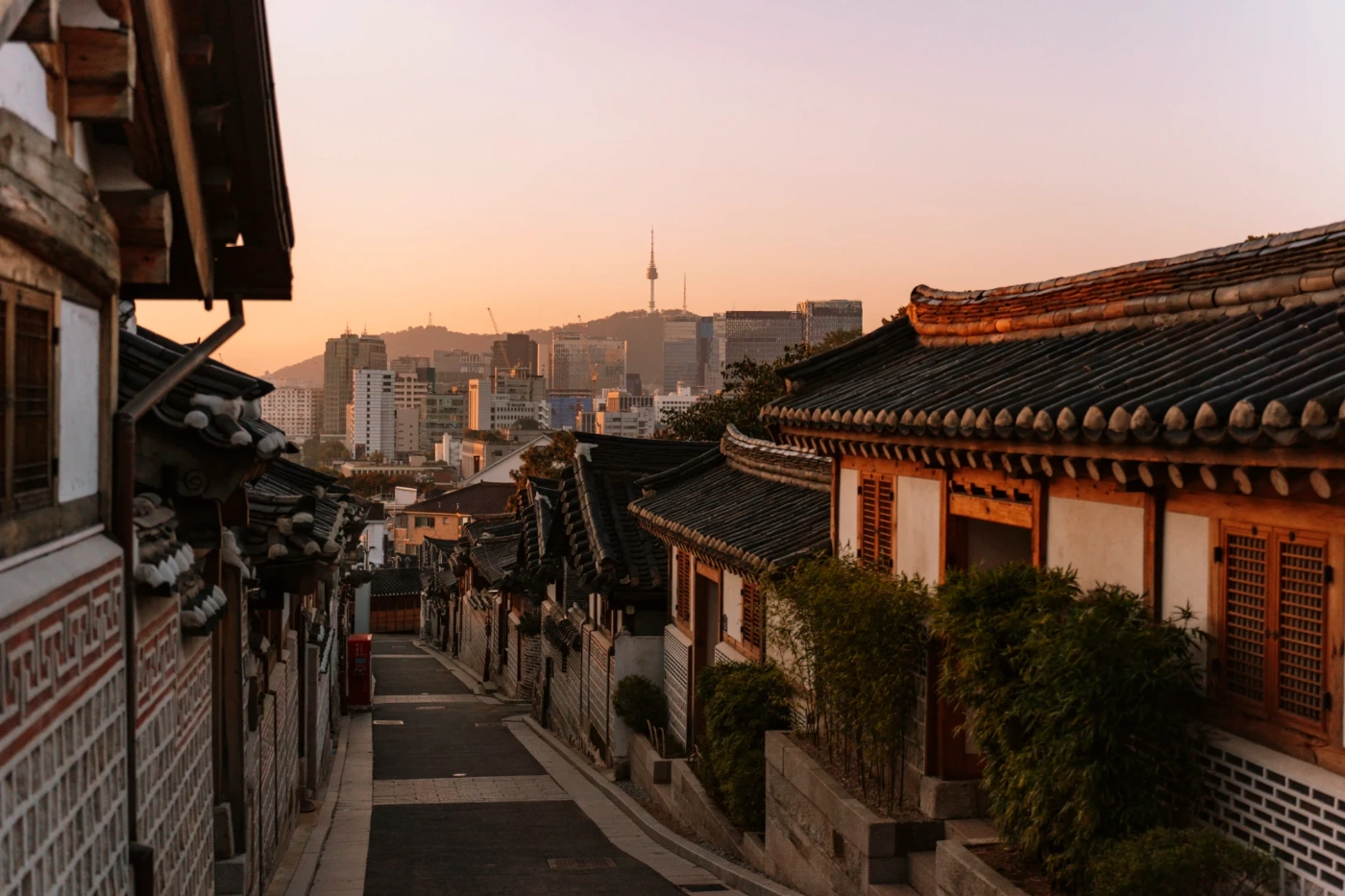
Lots of tourists come here dressed in Hanbok, and it's a great spot for pictures, but it gets incredibly busy, and there isn't as much space here for everyone to spread out like there is in the palaces. It gets congested, there are messy lineups for the best photo spots, and it's almost impossible not to get other tourists in the background of your photos. We suggest a quick visit, but if you want to get great photos, spend more time wandering the expansive grounds of the palaces.
The village is a publicly accessible part of the city, but it comes with a set of rules. Tourists are asked to keep the volume low when visiting and not to visit on Sundays, before 10 AM, or after 5 PM. It is a contemporary residential neighbourhood, and the people who live there full-time don't want their lives fully taken over by tourism. The area doesn't really close or bar you from entering; it's more just an honour system and a respect thing.
3. Take in Views from Namsan Mountain
Namsan sits right in the middle of Seoul and is one of the best places to get a sense of the city's sheer size. From the top, you can see endless rows of apartment blocks, neon-lit districts, and mountains ringing the horizon. The main attraction is N Seoul Tower, a 236-meter communications tower that's become a city icon.
Every night is a fun vibe at the top. It's a popular tourist site, but it's also a local hangout. Young couples on dates, groups of friends sharing snacks, and families out for evening walks all gather around the lookout terraces and cafés. Street musicians sometimes set up near the base of the tower, and the whole area glows under soft lights once the sun goes down.


You can hike up shaded forest paths, ride the cable car, or take the bus if you're not in the mood for a workout. The area is especially popular at sunset when couples come up to leave their padlocks on the fences and watch the city light up.
There is a small shopping centre at the top. There is a Starbucks, a food court, and, of course, there is a 7-Eleven and a Family Mart.
There is also a night hiking tour you can book onto if you want to go with a group.
4. Browse Starfield Library
Starfield Library is one of Seoul's most jaw-dropping modern spaces. Located inside the COEX Mall in Gangnam, it's a massive, open-concept library with towering bookshelves that stretch floor to ceiling, a floating mezzanine, and a design that feels more like an art installation than a traditional library. Even if you're not a huge reader, it's impossible not to be impressed by the scale, the light, and the sheer Instagrammable factor of it all.


The library is free to enter, and you can grab a coffee at the café tucked inside to settle in with a book or just people-watch. Weekdays are quieter, while weekends attract tourists and locals alike, so if you want photos without crowds, mornings are best. Beyond the architecture, it's a calm oasis in the middle of one of Seoul's busiest shopping districts, perfect for a pause between sightseeing or shopping in COEX Mall.
The closest subway stop is Samseong Station (Line 2), right at the mall entrance. If you're exploring Gangnam, it's easy to combine this with a stroll around Bongeunsa Temple across the street for a mix of ultra-modern and traditional vibes.
5. Explore Ikseon-dong
Ikseon-dong is one of Seoul's trendiest neighbourhoods, a maze of narrow alleys where traditional hanok houses have been transformed into cafés, cocktail bars, boutique shops, and bakeries. It feels like a hidden world tucked away from the glass towers and traffic. Wander around and get lost. It's not so big, so you will find your way back out eventually, and every corner seems to reveal a new café with picture-perfect interiors or a shop selling handmade jewelry and ceramics.


It's popular with young locals, so expect it to get crowded, especially in the afternoons and evenings. The best move is to come before lunch when the streets are calmer, grab a coffee, and just stroll without an agenda. If you're after photos, mornings give you soft light and fewer people, while evenings bring out a romantic glow with lantern-lit alleys and lively bars.
The nearest subway is Jongno 3-ga Station (Line 1, 3, or 5), just a short walk from the village. Cafés and desserts usually run ₩7,000–₩10,000 ($5–$7 USD), cocktails closer to ₩12,000–₩15,000 ($9–$11 USD). Many shops are small and get lines, so plan a little extra time if you've got a place you must try. It's best to visit on weekdays if you can, since weekends can get wall-to-wall busy.
6. Shop & Eat at Myeongdong Night Market
Myeongdong is Seoul's most famous shopping district, and at night it completely transforms into a street food paradise. Stalls line the main streets selling everything from tornado potatoes and hotteok pancakes to massive grilled lobster tails and skewers dripping with cheese. The smells, the neon, and the noise are a sensory overload in a great way.
Beyond the food, this is also one of the top spots for beauty and skincare shopping. Almost every big Korean brand has a storefront here, and they're generous with samples. Even if you're not here to overhaul your skincare routine, it's fun to browse and see how busy the department stores get.
The nearest subway station is Myeongdong Station (Line 4). From there, you'll be right in the middle of it all as soon as you exit. Most food stalls run between ₩3,000–₩10,000 ($2–$7 USD), and shops usually stay open later, until 10 or 11 PM. The busiest time is after 7 PM when both tourists and locals flood in, so if you want to eat without fighting shoulder-to-shoulder crowds, come earlier in the evening. Weeknights are slightly calmer than weekends.
7. Take A Day Trip to the DMZ
This isn't really a fun and cheery day trip, but it's not supposed to be. The DMZ is an operational military point, and it draws your attention to the ongoing struggles the country is facing. It's a great way to learn the history and to see the current tensions up close and personal. The border is actually not far from Seoul, so after a short coach bus ride, you will already be at the demarcation line.
If you're not sure a trip to the DMZ is something you'd be into, you can read our full guide where we discuss whether the tour is worth it.


It's a 4 km-wide, 250 km-long buffer zone separating North and South Korea. From the viewing platforms, you can see into North Korea and see their flags waving, their city going about their day, and their side of the border taking an equally vigilant guard.
One part of the tour we were surprised by was the stop at the Third Infiltration Tunnel. This is one of a series of tunnels that were dug by the North during the late 70s in a failed plan to re-invade the South. The tunnels were discovered and blocked by the south before the north’s plan could go into effect. Now tourists can go down into the tunnels and actually go under the no-man's-land up to the point where the tunnel is barricaded.
The guides explain the history well, and you will stop by a few museums and even watch a short film that explains more about the conflict. It's educational and fascinating, but it's also heavy and very real; so pairing it with something a bit more fun and upbeat back in the city is a good call.
One thing to know: the DMZ can shut down suddenly depending on political tensions, so build in a buffer day or two in your itinerary just in case. Tours usually cost around ₩50,000–₩70,000 ($35 to $50 USD) depending on inclusions, and can book up fast, especially on weekends, so it's worth reserving early.
You're not able to do this self-guided. There are some great operators available on Get Your Guide. This is our top recommendation.
8. Chill By The Cheonggyecheon Stream
Cheonggyecheon is a peaceful stream that cuts right through the center of Seoul, running nearly 11km from Gwanghwamun all the way to the Han River. What used to be a forgotten waterway buried under concrete was restored in the early 2000s, and now it's one of the city's most loved public spaces. Locals come here to walk, sit by the water, or cool off on hot summer nights, and it's a great way to step out of the chaos of downtown without ever leaving it.
The stream is especially beautiful in the evenings when the lights come on and the reflections dance on the water. Seasonal festivals add another layer to a visit; lanterns in November and art installations in spring, so it's worth checking what's happening during your visit.
The best place to start is near Cheonggye Plaza by Gwanghwamun Station, where you can follow the stream past small waterfalls, stepping stones, and shaded paths. It's completely free, open 24/7, and a good spot to take a breather between sightseeing or after a big shopping session in Myeongdong.
9. Spend an Afternoon In Hongdae
Hongdae is Seoul's youthful and creative side. It's a neighbourhood built around Hongik University that is covered with street art and is the hub of indie music, fashion, and nightlife. By day, it's full of quirky cafés, themed restaurants, and boutiques selling everything from vintage clothes to handmade crafts. By night, the streets light up with live buskers, dance crews battling it out, and bars that don't slow down until sunrise.
It’s one of the best places in the city to feel the pulse of modern Korean culture. You'll find everything from VR arcades to cat cafés, and the people-watching alone is worth the trip. The vibe is casual and playful with students, travellers, and artists all blending in one big creative playground.
The closest subway stop is Hongik University Station (Line 2, AREX, Gyeongui–Jungang Line), which drops you right in the middle of it all. Weekends are the busiest and most vibey, but are also the most crowded. For a slightly calmer experience, swing by on a weekday afternoon to café-hop and explore the side streets, then return at night if you want to see the full energy of Hongdae in motion.
10. Visit Changgyeonggung Palace
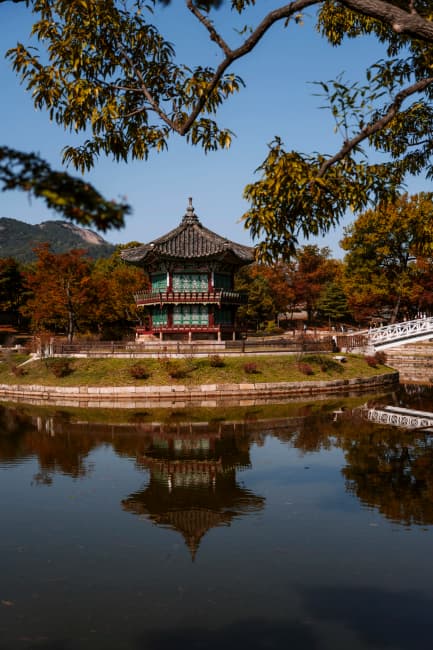
Once built as a residence for queens and concubines, Changgyeonggung feels more intimate than the grander palaces nearby. The courtyards are quiet, the halls simpler, and the gardens unfold gently toward a large reflective pond framed by old trees.
You'll still catch glimpses of the city skyline through the branches, but it somehow feels miles away from the noise of central Seoul. In spring, the cherry blossoms here are incredible, and in autumn, the maples around the pond turn deep red. Both seasons bring in more visitors, but it rarely feels overcrowded.


You can easily pair your visit with Changdeokgung Palace next door (they share a connected gate), but Changgyeonggung stands out for its relaxed atmosphere and blend of royal history and natural beauty.
We visited here the same day we rented Hanboks and visited Gyeongbokgung Palace. If you're dressed in a rented outfit entrance is free.
11. Discover Seongsu-dong, Seoul’s “Brooklyn”
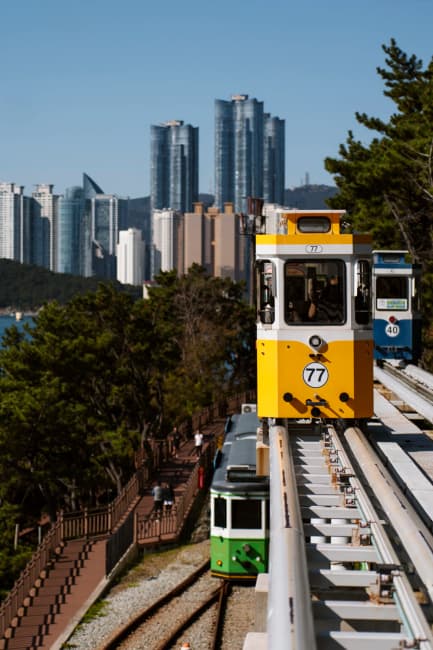
Seongsu-dong has transformed from an old industrial area into one of Seoul's coolest neighbourhoods, earning the nickname “Brooklyn of Seoul.” Shipping warehouses and factories have been converted into cafés, galleries, concept stores, and boutique shoe shops, giving the streets a modern, creative vibe with a dash of industrial charm.
It's quieter and less crowded than Hongdae or Myeongdong, which makes it perfect for wandering without feeling rushed. Look out for street murals, hidden cafés tucked into alleys, and pop-up exhibitions in repurposed spaces. It's a neighbourhood that rewards curiosity; just follow the small signs and you'll find design studios, plant shops, and unique eateries around every corner.
The nearest subway is Seongsu Station (Line 2), and most places open around 10 to 11 AM. Weekdays are ideal for exploring, but weekends bring out the local crowd and a few small markets or street performances. It's easy to spend a few hours just hopping from café to gallery, and the industrial-meets-modern aesthetic makes it a photographer's dream.
12. Visit Nami Island
Nami Island is one of Korea's most famous day trips. It's a small, half-moon-shaped island in the middle of the Han River, known for its tree-lined paths and romantic scenery. It became iconic after being featured in the K-drama Winter Sonata, but even without the pop culture fame, it's just a beautiful place to wander. The island changes completely with the seasons: cherry blossoms in spring, deep green canopy in summer, golden ginkgo leaves in fall, and a quiet, snow-covered calm in winter.
You can rent bikes to loop the island, grab lunch at one of the cafés, or just stroll along the riverside paths. It’s touristy but still peaceful once you wander away from the main gates. Getting there takes about an hour and a half from Seoul: take the ITX train from Yongsan or Cheongnyangni Station to Gapyeong, then hop on the quick ferry across to the island.
You can also book a day tour to keep things simple.
13. See the Banpo Bridge Moonlight Rainbow Fountain
Every night from April through October, the Banpo Bridge transforms into one of Seoul's most mesmerizing sights. The Moonlight Rainbow Fountain shoots streams of water from both sides of the bridge, choreographed to music and illuminated by over 10,000 LED lights. It's part fountain show, part city art installation, and it perfectly captures Seoul's knack for blending everyday infrastructure with a bit of magic.
The best spot to watch is from Banpo Hangang Park, where you can spread out a picnic blanket and grab snacks or fried chicken from nearby stalls. The show runs multiple times each evening (usually around 7:30 to 9:30 PM, depending on the season), and the vibe is always easygoing with couples, families, and groups of friends all lounging by the river as the skyline lights up. It's simple, free, and a quintessential Seoul moment.
14. Walk the Sky Bridge at Lotte Tower
If you want to add some adrenaline to your Seoul experience, the Sky Bridge at Lotte Tower is where you do it. Perched 541 meters above the city, this open-air walkway connects the two peaks at the very top of the tower, making it one of the highest outdoor bridges in the world. You're harnessed in, helmet on, and fully exposed to the wind and the views; terrifying and incredible.
From the top, you can see the Han River cuts through the city, and on clear days, you can see all the way to the mountains outside the city. The experience is guided and safety-checked, but still enough of a thrill to make your knees wobble if you don't do well with heights.. Book ahead since spots are limited, and if the Sky Bridge sounds too intense, the observation deck a few floors below offers the same epic panorama from behind glass.
15. Visit The Joseon Royal Tombs
Scattered across Seoul's quieter corners, the Joseon Royal Tombs offer a peaceful break from the city's modern buzz and a rare glimpse into 500 years of Korean history. These UNESCO World Heritage sites are where kings and queens of the Joseon Dynasty were buried, each resting place marked by grassy mounds, stone statues, and tree-lined paths that feel more like a forest walk than a historical site.
The best-preserved and most accessible are the Seonjeongneung Tombs in Gangnam. You can wander at your own pace, learning about the dynasty's Confucian rituals and burial customs, or just enjoy the calm atmosphere. Entry is cheap, and it's an easy add-on to a day exploring Gangnam or the nearby COEX Mall.
Bonus:
There are also tons of little activities. You can wander around and find photo booths or caricature artists or karaoke bars, or you can book experiences in advance.
Where to stay in Seoul

There are no shortages of accommodation options across the city. Everything from budget hostels and co-working spaces, to boutique guesthouses, to top-end luxury hotels. Our recommendation is to pick the neighbourhood that suits you best and narrow your search from there.
Seoul Neighbourhood Breakdown
- Insadong & Jongno: Cultural core with palaces, temples, teahouses, and craft shops. Great for first-time visitors who want more tradition.
- Myeongdong: The shopping and street food mecca. Bustling, bright, tourist-heavy, but an essential experience.
- Hongdae: Youthful, creative, and nightlife-driven. Street performers, indie cafes, art markets, and clubs.
- Itaewon: Global vibes, expat-heavy, with international food, rooftop bars, and a more alternative scene.
- Gangnam: Flashy, modern, and upscale. Skyscrapers, luxury shopping, and K-pop agency HQs.
- Bukchon & Ikseon-dong: Traditional hanok houses blended with trendy cafes and boutique shops.
- Yeouido: Business district on an island in the Han River. Known for cherry blossoms, bike paths, and big-city vibes with a riverside balance.
How to Get To Seoul, South Korea
Seoul is one of the most connected cities in Asia. Incheon International Airport (ICN) is the main hub, with direct flights from all over the world. From the airport, you can hop on the AREX express train into the city in under an hour, or grab a limousine bus or taxi if you've got heavy bags. Once in Seoul, the subway is the easiest way to get around. It's clean, efficient, and filled with signs in English, Korean, Japanese, and Chinese.
When to Visit Seoul, South Korea

Spring (April to June) and fall (September to November) are the sweet spots. Mild temperatures, clear skies, and the city is alive with cherry blossoms or autumn leaves. Summer is hot and humid with monsoon rains, but it’s also festival season, and the nights stay buzzing. Winter is cold but crisp, with holiday lights, skating rinks, and nearby ski resorts making it worth braving the chill.
Final Thoughts

Seoul is a great first stop in Asia. It was the first city we visited in Asia, and it set the tone perfectly for the rest of our trip. It's modern, clean, safe, efficient, and full of surprises. You can wander centuries-old palaces in the morning, sip coffee in a chic café by the afternoon, and end the day enjoying street food at a bustling night market. The mix of old and new, calm and chaos, makes it impossible to get bored, and there's always something just around the next alley or subway stop waiting to catch your attention.
Seoul's also easy to navigate with its impressive transit system, which means you can pack a ton into your days without feeling lost or overwhelmed. Whether you're here for the history, the food, the shopping, or just to soak up the energy, it's a city that rewards curiosity and keeps you coming back for more.
FAQ
Do I need a visa to visit Seoul?
How do I get around Seoul?
Are English speakers common in Seoul?
Is Seoul safe for tourists?
Can I use Google Maps in Seoul?
Do I need cash, or are cards enough?
When is the best time to visit Seoul?
What neighborhoods are best to stay in?
Can I visit historic sites in Seoul?
Are there fun photo spots in Seoul?
Is it easy to take day trips from Seoul?
What about nightlife and entertainment?
How much should I budget for food and activities?
How do I stay connected in Seoul?
Any etiquette tips?
Our Trusted Travel Partners
We only recommend products and services we personally use and trust.

SafetyWing
Travel medical insurance for nomads and remote workers
Booking.com
Find the best deals on hotels, apartments, and vacation rentals
AllTrails
Discover hiking trails with detailed maps and reviews
Surfshark
Secure VPN for safe browsing and accessing content worldwide
Get Your Guide
Find the best deals on tours and experiences
Airalo
Prepaid SIM cards for travelers
Trusted Housesitters
Find free accommodation by house and pet sitting worldwide
Wise
Send and receive money internationally with low fees* We may earn a commission when you make a purchase through our affiliate links, at no extra cost to you. We appreciate this support, which helps sustain our blog and allows us to create more content and help more great trips get planned!