
Key Tips for Visiting the DMZ
- Book in Advance: Tours can fill up quickly. Reserve early to lock in your preferred date.
- Dress Appropriately: Smart-casual is required. No ripped jeans, shorts, open-toe shoes, or sleeveless tops. You’ll be in a military-controlled zone, so respect the rules.
- Bring Your Passport: You’ll need it for identification at checkpoints and JSA visits.
- Follow All Rules: Photography restrictions are strict. Soldiers are watching, so don’t risk taking photos where it’s forbidden.
- Plan Extra Time: Tours can be cancelled last minute due to political tensions. Allow a buffer day in your Seoul itinerary in case you need to reschedule.
- Comfortable Shoes: There’s a fair amount of walking, especially if you’re exploring the Third Tunnel and observatories.
- Timing Matters: Morning tours are usually quieter; some tours include lunch, so check ahead if you want to plan meals around it.
Before You Go
Don't Leave Home Without Travel Insurance
We never leave the country without our safety wing coverage activated. Whether it's a missed flight, a lost bag, or a serious medical evacuation Safety Wing offers an irreplaceable peace of mind. Our favourite part is we can pause it with the click of a button when we're back in Canada and turn it back on just as easily when we're back on the move.
What Is The DMZ

The DMZ (Demilitarized Zone) is a 250-kilometre-long buffer strip that cuts across the Korean Peninsula, separating North and South Korea. Despite the name, it’s one of the most heavily fortified borders in the world. In an ironic twist, the area has accidentally become a wildlife sanctuary where rare species thrive in the untouched land.
The DMZ was created at the end of the Korean War in 1953, when both North and South Korea signed an armistice agreement after three years of brutal fighting. Instead of a peace treaty, the two sides agreed to a ceasefire, with a 4-kilometre-wide buffer zone established along the 38th parallel to prevent further clashes. The border has remained in place ever since, making it one of the longest-running reminders of the Cold War still active today.
Visiting the DMZ gives you a glimpse into Korea’s divided past and present, making it one of the most unique and sobering day trips from Seoul. This isn’t really a fun and cheery day trip, but it’s not supposed to be.
How Do You Visit The DMZ

Visiting the DMZ isn’t something you can just wander into. You need to go on an organized tour. Most tours leave from Seoul and include transportation, a guide, and stops at key sites like Dora Observatory, the Third Tunnel, and the Joint Security Area (JSA). Some tours focus more on history, while others lean into the surreal experience of standing so close to North Korea. It’s worth booking in advance since spots fill up quickly.
You will be with your tour guide and group the whole time. It's a highly secure area, and they are incredibly clear about where you can and can't take photos. DO NOT take any photos where you are not supposed to. There are soldiers watching everyone, and they take transgressions seriously.
You can book your tour in advance with Get Your Guide:
What to Expect From a DMZ Tour

A DMZ tour is part history lesson, part surreal field trip. You’ll usually start with a short film that gives context to the Korean War and the ongoing tension between the two countries. Then the Third Infiltrators Tunnel, one of a series of tunnels that were dug by the North during the late 70s in a failed plan to re-invade the South. The tunnels were discovered and blocked by the South before the North’s plan could go into effect. Now tourists can go down into the tunnels and actually go under the no-man's-land up to the point where the tunnel is barricaded.
Most tours also include stops at Dora Observatory, where you can see into North Korea and see their flags waving, their city going about their day, and their side of the border taking an equally vigilant guard.
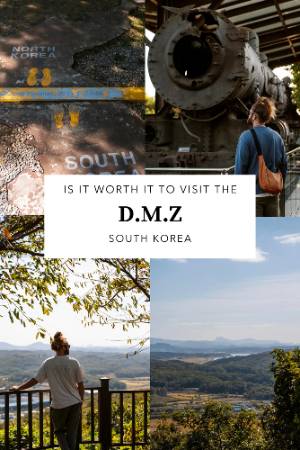
You will also stop at Dorasan Station, a fully built train station waiting for the day the two Koreas reconnect. There are some great monuments and displays here, including an old train car riddled with bullet holes, left intentionally as a haunting reminder of the war.
Is The DMZ Worth Visiting


The DMZ isn’t your typical sightseeing stop. It’s not a palace, a temple, or a street food market. It's a tense, heavily guarded stretch of land that tells the story of a country technically still at war. But that’s exactly what makes it worth visiting.
If you’re curious about Korea’s past and present, the DMZ gives you something you can’t get anywhere else. Standing at Dora Observatory, peering into North Korea, walking into the Third Tunnel, or seeing the bullet-marked train at Dorasan Station; it’s an opportunity to witness history up close. You’ll leave with a deeper understanding of the division that shaped the peninsula, the resilience of its people, and the tension that still lingers.
That said, it’s not for everyone. If you’re short on time or only looking for cheerful, lighthearted experiences, you might want to prioritize palaces, markets, and temples instead. But for history buffs or curious travellers, the DMZ is unforgettable.
If this doesn’t sound like your vibe, here is a better option for getting out of the city and seeing some of Korea’s natural side.
Top Sights on a DMZ Tour

- Imjingak Park: The first stop on many tours, Imjingak Park is like a gateway into the DMZ story. You’ll see memorials, war monuments, and the Freedom Bridge: the symbolic route used by POWs returning from the North after the Korean War. It’s a good place to pause, reflect, and take in the eerie calm that blankets this area.
- Dora Observatory: From the observation deck, North Korea feels strikingly close. You can see their flags waving, their streets and buildings, and even soldiers patrolling. The telescopes give a closer look, and it’s surreal standing there, realizing you’re peering straight into another country that’s still officially at war with the one you’re standing in.
- Third Infiltration Tunnel: One of the North’s secret tunnels dug in the 1970s to invade the South. Tours let you descend underground and walk a portion of the tunnel before it’s barricaded. It’s cramped, slightly damp, and claustrophobic, but memorable. A real “walking through history” moment.
- Dorasan Station: This train station was built for a future connection between North and South Korea. Empty trains, silent platforms, and a bullet-marked carriage left on display give it a quiet, almost haunting energy.
- Joint Security Area (JSA) The only spot where you can actually step into the blue conference buildings that straddle the border. It’s highly controlled and a little surreal. If your tour includes it, this is the highlight for many visitors. As of summer 2025, the JSA has reopened for tourists. Check for up-to-date news before your visit, as the JSA can close for long periods if political tensions rise.
When to Visit the DMZ
The DMZ is open year-round, but timing can make a big difference in your experience. Spring (April to June) and fall (September to November) are the most comfortable, with mild temperatures, clear skies, and better visibility for observatories. Summer can get hot and humid, while winter brings cold winds that cut through the open areas of the border, so dress in layers.
Weekdays are ideal if you want a slightly quieter experience, though tours run every day. Keep in mind that the DMZ can close suddenly due to political developments, so build in a buffer day in your Seoul itinerary in case your tour is canceled or rescheduled. Early morning tours often provide better light for photos and a calmer start to the day.
FAQ
Is the DMZ worth visiting in South Korea?
What is the DMZ?
How do I visit the DMZ?
What should I expect on a DMZ tour?
What are the top sights on a DMZ tour?
What are the key tips for visiting the DMZ?
When is the best time to visit the DMZ?
Is the DMZ suitable for casual or lighthearted travelers?
Where can I book a DMZ tour?
Our Trusted Travel Partners
We only recommend products and services we personally use and trust.

SafetyWing
Travel medical insurance for nomads and remote workers
Booking.com
Find the best deals on hotels, apartments, and vacation rentals
AllTrails
Discover hiking trails with detailed maps and reviews
Surfshark
Secure VPN for safe browsing and accessing content worldwide
Get Your Guide
Find the best deals on tours and experiences
Airalo
Prepaid SIM cards for travelers
Trusted Housesitters
Find free accommodation by house and pet sitting worldwide
Wise
Send and receive money internationally with low fees* We may earn a commission when you make a purchase through our affiliate links, at no extra cost to you. We appreciate this support, which helps sustain our blog and allows us to create more content and help more great trips get planned!