
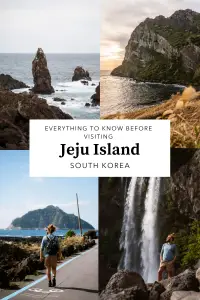
Key Tips For Visiting Jeju Island
- Getting there: Jeju is an hour’s flight from Seoul or Busan, with dozens of daily flights. Ferries also run from the mainland, but flying is quicker and usually cheaper.
- Getting around: Public transport exists but is limited. Renting a car is the best way to explore, especially if you want to hit multiple sights in a day.
- Where to stay: Most visitors base themselves in Jeju City (north, near the airport) or Seogwipo (south, close to waterfalls and hiking). Both work well depending on your itinerary.
- How long to stay: 3 to 5 days is ideal. That gives you time to hike, visit the major natural attractions, and explore at a slower pace.
- Best time to visit: Spring (April to June) and autumn (September to October) bring the best weather. Summers are hot and humid, while winters are mild but less scenic.
- If You Don’t Have Much Time: There are some great tour operators on the island that will help you make the most of a short visit. Most tours focus on one of three regions:
- West Island: Stroll through Hallasan 1100 Highland Wetland, admire Jusangjeolli Cliffs, visit the Osulloc Tea Museum and green tea fields, and marvel at Cheonjeyeon Waterfall. End your day at Aewol Cafe Street and Handam Beach for a seaside sunset. Convenient pickup and drop-off included.
- East Island: Start at Hamdeok Seoubong Beach, famous for turquoise waters and spring rapeseed blooms, then explore Seongeup Folk Village for a glimpse of traditional island life. Walk through Micheongul Cave, visit Seongsan Ilchulbong (Sunrise Peak) for sweeping volcanic views, and learn about the island’s legendary Haenyeo female divers at the Haenyeo Museum. Convenient pickup and drop-off at Jeju City, Shilla Duty-Free, or Dongmun Traditional Market included.
- South Island: Hike a short section of Hallasan Mountain on the Eoseungsangak Trail, stroll through Osulloc Tea Museum and green tea fields, admire the geometric Jusangjeolli Cliffs, and snap photos at Cheonjiyeon Waterfall. Don’t miss Oedolgae Rock, a dramatic sea stack with cliffside views. Convenient pickup and drop-off at Jeju City, Shilla Duty-Free, or Dongmun Traditional Market included.
Before You Go
Don't Leave Home Without Travel Insurance
We never leave the country without our safety wing coverage activated. Whether it's a missed flight, a lost bag, or a serious medical evacuation Safety Wing offers an irreplaceable peace of mind. Our favourite part is we can pause it with the click of a button when we're back in Canada and turn it back on just as easily when we're back on the move.
Best Things To Do On Jeju Island
1. Hike Hallasan Mountain
Hallasan is South Korea’s highest peak and the centrepiece of Jeju Island.
For serious hikers: You have 2 options
- Seongpanak Trail: 18.5 km round trip with 1,158 meters of elevation gain. Expect to take 8 to 10 hours.
- Gwaneumsa Trail: 20.6 km round trip with 1,565 meters of elevation gain. Expect to take 9 to 11 hours.
At the crater rim, you’ll find sweeping views across Jeju and, on clear days, even out to the sea. These hikes are challenging but doable for anyone with a decent fitness level. Start early, pack snacks, and prepare for weather that can be much colder and windier than at sea level.
For casual visitors: You don’t need to summit to enjoy Hallasan. There are shorter trails, like Yeongsil Trail or Eorimok Trail, that take a bit less time and still give you volcanic landscapes, forests, and panoramic views. These options are great if you want the experience of hiking on Hallasan without committing a full day.
2. Climb Seongsan Ilchulbong (Sunrise Peak)


This dramatic volcanic crater rises straight out of the sea on Jeju’s east coast and is one of the island’s most famous landmarks. The hike to the top is short but steep. About 20 minutes of stairs that reward you with sweeping views of the crater and coastline. Sunrise is the most popular time to visit, and the peak lives up to its name if the weather cooperates, though you’ll be sharing it with plenty of other visitors. Even outside of sunrise, the climb is worth it for the scenery and the chance to see one of Jeju’s most unique volcanic formations up close.
3. Watch the Haenyeo (Female Divers)

The Haenyeo are Jeju’s legendary female free divers, a tradition that’s been passed down for generations and is now recognized by UNESCO as an Intangible Cultural Heritage of Humanity. These women dive year-round without oxygen tanks, harvesting seafood like abalone, conch, and seaweed with nothing but skill, experience, and incredible lung capacity. You can sometimes spot them working along the coastline, and one of the most popular places to see them in action is at Seongsan Ilchulbong, where they give daily demonstrations for visitors.
For a deeper look into their history and way of life, head to the Haenyeo Museum on the island’s east coast. The museum does a great job of showcasing the tools, traditions, and stories of these divers, giving you a better understanding of how this unique practice shaped Jeju’s culture and economy. Seeing them in person and then learning more about their resilience and community makes for a powerful experience.
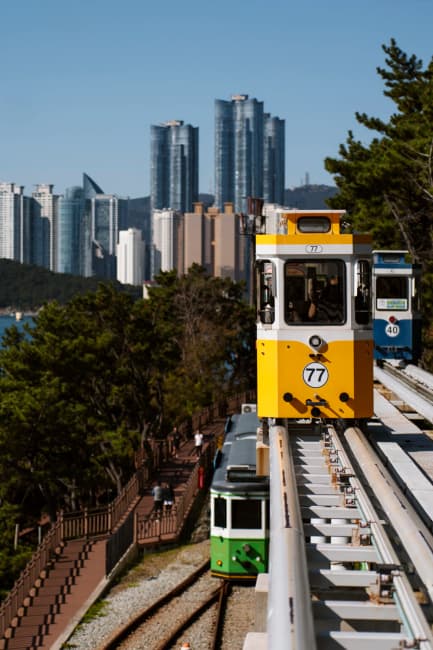
4. Walk an Olle Trail


Jeju’s Olle Trails are a network of walking paths that circle the island, covering over 400 km of coastline, countryside, and small villages. Each route is numbered and marked with little blue and orange ribbons so you can follow along easily. The trails range from easy seaside strolls to full-day hikes that take you through volcanic landscapes, forests, and rural farmland.
We hiked Olle Trail 6, which runs along the southern coast near Seogwipo and passes dramatic cliffs, waterfalls, and quiet fishing villages. It’s a great introduction if you only have time for one. The beauty of the Olle Trails is that they let you slow down and see parts of Jeju you’d miss if you were just driving from sight to sight. Even doing a short section is worth it.
5. Chase Jeju’s Waterfalls (Jeongbang, Cheonjiyeon, Cheonjeyeon)


Jeju is packed with waterfalls, each with its own vibe, and chasing them makes for a relaxing and scenic day trip. The three most famous are Jeongbang, Cheonjiyeon, and Cheonjeyeon, all near Seogwipo on the southern coast.
Warning: Cheonjiyeon and Cheonjeyeon are two different waterfalls. The spelling is almost identical, and it's easy to mess up the directions on your map.
Jeongbang Waterfall
Jeongbang is one of the few waterfalls in Asia that falls directly into the sea, making it dramatic and unforgettable. It’s about a 15-minute drive from Seogwipo city center. There’s a short, easy walk down from the parking area to the viewing platform. Tickets cost around ₩2,000 ($1.50 USD), and it’s open daily from early morning until evening. The best time to visit is in the morning when the light hits the water, and there are fewer tourists.
Cheonjiyeon Waterfall
Cheonjiyeon is just a 10-minute drive from Jeongbang and features a wide cascade that drops into a calm pond surrounded by lush foliage. You can walk along a scenic boardwalk that loops around the base of the waterfall. Admission is around ₩2,500 ($2 USD). It’s especially beautiful in the late afternoon when the surrounding greenery glows in the soft sunlight, and it’s an easy spot for a peaceful stroll or photos without much effort.
Cheonjeyeon Waterfall
Cheonjeyeon, also called the “Pond of Heaven,” is a series of three waterfalls connected by forested trails. It’s about 15 minutes from Cheonjiyeon. Tickets are slightly higher at ₩3,000 ($2–$3 USD). Walking between all three waterfalls takes 30 to 40 minutes, and the paths wind through shaded gardens, making it a nice mix of light hiking and sightseeing. The cascading water, lush surroundings, and nearby ponds make it one of the most photogenic spots on the island. Try to go early in the day. A lot of big coach bus tours end their tours here so the last hour before the area closes is too busy to be enjoyable.
Where to Stay (Before It’s Fully Booked)
6. Explore Manjanggul Lava Tube
Manjanggul Lava Tube is one of the longest lava tubes in the world, stretching over 7 kilometres, though only about 1 km is open to the public. Walking through this underground tunnel feels like stepping into another world where the walls are lined with fascinating lava formations, stalactites, and stalagmites. The temperature inside stays cool year-round, making it a nice escape from the summer heat or winter chill.
The main entrance is easily accessible by car or bus from Jeju City, and there’s a small fee of around ₩2,000 ($1.50 USD). The path is paved and relatively flat, so it’s suitable for most visitors, but sturdy shoes are recommended. Highlights include the enormous lava column in the middle of the cave and the eerie, otherworldly darkness at the far end. Guided tours are available if you want to learn more about how the lava flows shaped the island millions of years ago.
The Lava Tube is currently closed as part of a maintenance project, but is set to re-open at the end of December 2025.
7. Seopjikoji Coastline Walkway


Seopjikoji is one of Jeju’s most scenic coastal walks, known for its windswept cliffs, rolling green fields, and panoramic ocean views. The trail curves along the southeastern edge of the island, passing through volcanic rock formations, patches of wildflowers, and views of the dramatic Seongsan Ilchulbong peak in the distance.
It’s an easy, mostly flat walk that takes about 30 to 45 minutes round trip, depending on how often you stop for photos (which you will). The path starts near the parking lot by the Glass House and winds toward the bright white lighthouse at the tip of the peninsula. Come in the late afternoon for soft light over the cliffs, or early morning if you want it quiet (tour buses drop off big groups later in the day).
There’s no entrance fee, and it’s accessible year-round. Just bring a light jacket as the wind is almost guaranteed.
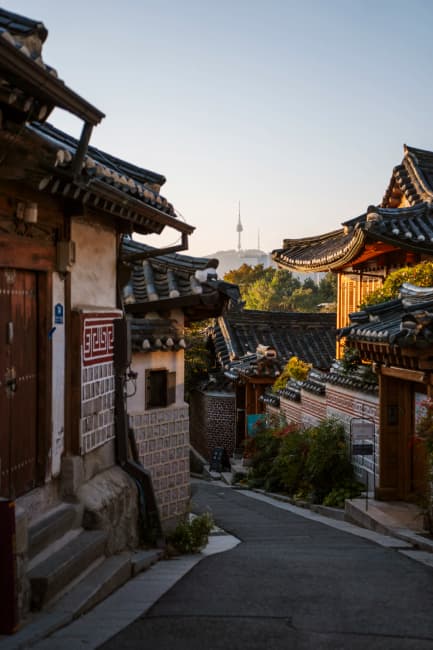
8. Visit Jeju Folk Village Museum
The Jeju Folk Village Museum is a great spot to step back in time and see how life on the island used to be. It’s an open-air museum with over 100 traditional thatched-roof houses, recreated village streets, and exhibits showing daily life, tools, and rituals from centuries past. There are often demonstrations of traditional crafts and performances.
It’s located in Seongeup, about a 40-minute drive from Jeju City, and there’s a small entrance fee of around ₩11,000 ($8 USD). Most visitors spend 1to 2 hours here. There’s also a small café and gift shop on site if you want to take a break or pick up traditional souvenirs. This museum is especially good if you want a cultural experience that contrasts with the island’s natural attractions.
9. Relax on Jeju’s Beaches (Hyeopjae, Hamdeok, Jungmun)

Jeju has some stunning beaches, each with its own vibe.
- Hyeopjae Beach on the west coast is known for its soft white sand and clear turquoise water, perfect for swimming and taking iconic island photos.
- Hamdeok Beach on the northeast side has shallow, calm waters, making it great for families or a relaxed day paddle.
- Jungmun Beach near Seogwipo is popular for surfing, walking along the black sand, and nearby cafes and restaurants.
Most beaches are free to access, and there are parking lots and basic facilities like restrooms at each. Sunrise or sunset are ideal times to visit for fewer crowds and incredible lighting. If you’re driving, all three beaches are accessible by car and also reachable via local buses, though a car makes it much easier to hop between them. Beaches are a nice counterpoint to Jeju’s hiking and cultural spots, giving you a chance to unwind and enjoy the island’s natural beauty.
Hyeopjae Beach
Located on the west coast, Hyeopjae is famous for its soft white sand, shallow turquoise water, and views of Biyangdo Island offshore. It’s perfect for swimming, sunbathing, or just relaxing with a picnic. Facilities include parking, restrooms, and small cafés. Access is easy by car or bus, and early mornings are best if you want to avoid crowds.
Hamdeok Beach
Hamdeok sits on the northeast coast and is known for its calm, shallow waters and soft sand, making it great for families or anyone looking to paddle safely. The water is clear, and the beach is framed by small green hills, giving it a serene feel. There are parking lots, restaurants, and cafes along the shore. Sunrise is spectacular here, and it’s less crowded than Hyeopjae.
Jungmun Beach
Near Seogwipo, Jungmun Beach is the most popular for surfing, walking along dramatic black sand, and exploring nearby coastal cliffs. It has stronger waves than Hyeopjae or Hamdeok, so it’s ideal if you’re after a more active beach experience. There’s parking, restrooms, and cafes, and it’s easy to pair with nearby attractions like Cheonjeyeon Falls or Jusangjeolli Cliffs. Sunset views are a must here.
10. See Jusangjeolli Cliff
Jusangjeolli Cliff is one of Jeju’s most iconic natural sights. These dramatic hexagonal rock columns were formed by volcanic lava cooling rapidly when it met the sea, creating a geometric spectacle along the southern coast near Seogwipo. It’s a short walk from the parking area down to the viewing platforms where you can safely admire the waves crashing against the cliffs. No ticket is required to visit, and it pairs perfectly with nearby Jungmun Beach or Cheonjeyeon Waterfall for a half-day outing. Early morning or late afternoon light makes for the best photos, and the sound of the ocean adds to the dramatic atmosphere.
11. Visit Oedolgae

Oedolgae is one of Jeju’s most photographed coastal views. The main attraction is a towering sea stack that rises 20 meters above the ocean, just off the island’s southern cliffs. The name means “lonely rock.” Legend says a widow turned to stone here while waiting for her husband, lost at sea.
The surrounding coastal path makes for a peaceful 20 to 30-minute walk, with benches and lookout points where you can pause to take in the view. On clear days, you can see all the way to Beomseom Island and the Hallasan slopes behind you. It’s especially beautiful at sunset, when the rock’s silhouette glows against the orange horizon.
There’s no entrance fee, and parking is free. The site is just a short drive from Seogwipo City, so easy to visit before or after Cheonjiyeon Waterfall.
12. Tour a Tangerine Orchard
Jeju is famous for its tangerines, and visiting an orchard is a fun way to experience the island’s agricultural side. Many orchards offer self-picking experiences, where you can taste sweet, juicy tangerines right off the tree. Some also sell fresh juice, jams, and other tangerine-based products. Popular spots include Hallim Park’s orchard and smaller roadside farms near Seogwipo. There’s usually a small entrance fee if you’re doing a full orchard tour, but casual visits to buy fruit are often free. It’s a colourful, fragrant, and very Instagrammable stop.
The tangarines don't grow year-round. They are in season from November to March, but the peak season ends in January.
13. Visit Seongsan Village Café Strip
After hiking Sunrise Peak, take time to explore Seongsan Village: a charming stretch of oceanfront cafés and restaurants just a few minutes’ walk from the trailhead.
Most cafés here face the water, with wide decks or rooftop patios overlooking Udo Island. It’s the perfect place to rest your legs after the climb and take in the view with a coffee or brunch. Popular choices include Café Aewol Monsant, known for its mirrored façade (designed by G-Dragon), and smaller local gems where you can try tangerine lattes or Jeju green tea desserts. Prices are a little higher than average, but the combination of coastal views and calm atmosphere makes it worth lingering.
If you’re not in a rush, wander the narrow backstreets behind the main café row. There you’ll find boutique shops, guesthouses, and small seafood restaurants where you can try fresh abalone or grilled mackerel.
14. Take a Day Trip to Udo Island
Just off Jeju’s east coast lies Udo Island, a peaceful little escape from your peaceful escape. It’s only a 15-minute ferry ride from Seongsan Port. Instead of highways and hotels, you’ll find coastal bike paths, rolling green hills, and beaches with sand so pale it almost glows.
The island is small enough to circle in a few hours. It's about 17 km around, and most visitors rent a bike, scooter, or electric buggy to explore. Each mode has its charm: bikes for a slow, scenic ride; scooters for the breeze and freedom; and buggies if you want to cruise comfortably as a couple or family.
Udo is known for its white coral sand beaches, especially Seobin Baeksa, where turquoise water meets smooth coral fragments instead of typical sand. It’s easily one of the most photogenic beaches in Korea. Other highlights include Udo-bong Peak, a short but rewarding climb with panoramic views of Jeju and the sea, and Hagosudong Beach, where you can swim or grab ice cream from one of the seaside stalls.
The ferry runs roughly every 30 minutes from Seongsan Port (₩8,500 / ~$6.50 round trip), and you’ll need to bring your passport for ticketing. Most visitors go for a half-day or full-day trip, depending on the weather and how leisurely you want to explore.
15. Explore Jeju’s Café Culture

Jeju is covered with design-forward cafés built into cliffs, gardens, and seaside lookouts. Some popular ones are:
- Monsant Café (owned by G-Dragon, near Aewol)
- Bomnal Café (filming spot for Korean dramas)
- Cafe Delmoondo (Hamdeok Beach)
- Cafe Aewol Monsant (for sunsets)
The cafe culture around the whole country is incredible, and a great cup of coffee is easy to find nationwide, but what makes the cafes on Jeju stand out is the matcha. Jeju matcha is some of the best in Korea (and some say best worldwide), grown in rich volcanic soil that gives it a distinct earthy flavour. The island’s humid climate and mineral-rich land make it ideal for cultivating high-quality green tea, especially around the O’Sulloc Tea Fields near Seogwang. Here, rolling hills of tea bushes stretch toward Hallasan, and visitors can sample matcha in everything from whisked tea to creamy desserts. Beyond O’Sulloc, smaller local farms and cafés across Jeju are experimenting with their own blends, offering matcha lattes, cakes, and soft serve made fresh from locally ground powder.
16. Quick Quirky stops
There is no shortage of quick and quirky stops to make as you explore the island. Here are a few of our top picks:
- Visit the O’Sulloc Tea Museum. A staple stop near Hallim. Free admission, with green tea fields, modern architecture, and a café serving green tea ice cream and matcha desserts. It’s simple but photogenic and pairs well with Camellia Hill or Spirited Garden.
- Jeju Stone Park. An outdoor museum and sculpture park celebrating Jeju’s volcanic origins and mythology. The massive volcanic stone statues and trails through lava fields make it feel mythic and mysterious. Great for travellers who like cultural depth.
- Visit the Jeju Glass Castle. A quirky but genuinely fun stop. It’s part art museum, part fantasy world, entirely made of glass. It’s kitschy but colourful, and works well as a rainy-day stop.
- Visit Camellia Hill. A massive botanical garden filled with camellias, hydrangeas, and seasonal blooms. It’s especially beautiful in winter (when the flowers peak) and ideal for photography walks.
- Visit Spirited Garden. Originally built by one man over decades, this peaceful bonsai garden near Hallim is a beautiful stop between Hyeopjae Beach and Hallasan. It’s quiet, lush, and calming.
How to Get to Jeju Island
Jeju Island is easily accessible from mainland South Korea. The quickest way is by plane—flights from Seoul’s Gimpo or Incheon airports take about 1 hour, with frequent daily departures. There are also flights from other major cities like Busan, Daegu, and Jeonju.
For a slower, scenic option, you can take a ferry from several ports on the mainland, including Mokpo and Busan. Ferry times vary from 2 to 12 hours depending on the route and type of ferry, and tickets can be booked online or at the port.
Once on the island, the easiest way to get around is by renting a car. Public buses exist, but schedules are limited and many attractions are spread out. Taxis and private tours are alternatives if you don’t want to drive.
Where to Stay On Jeju Island
Jeju’s surprisingly big (about the size of Maui) so where you stay makes a big difference. Most travelers base themselves in one of two main areas: Jeju City (north) or Seogwipo (south). Each has its perks depending on what kind of trip you’re after.
Jeju City (North)
Jeju City is the main hub near the airport and ferry terminals, making it the most convenient base for short trips or early flights. It’s packed with restaurants, cafés, and shops, and it’s a great launch point for Manjanggul Lava Tube, Hamdeok Beach, and most tours use the city as the pickup point. You’ll find everything from sleek boutique hotels to affordable guesthouses here. The vibe is busier and more urban. Perfect if you like having amenities close by.
Top Recommendations for Jeju City:
- Guest House Brick is a great backpackers' option. It has a common kitchen and is located near the main bus terminal.
- Ventimo Hotel & Residence Jeju is a great option is you want to be near the airport (ideal if you have an early departing flight)
- MIDO Hostel is a great budget option with dorms and a fun social dynamic.
Seogwipo (South)
Seogwipo is Jeju’s slower scenic side, surrounded by waterfalls, cliffs, and beaches. It’s quieter and greener than Jeju City, with many hotels perched on coastal bluffs overlooking the sea. If you want to be closer to nature or are planning to hike, this is where you want to be.
Top Recommendations for Seogwipo:
- Casaloma Hotel is a great upscale option with a rooftop pool, buffet breakfast, and a rooftop terrace that looks out to the sea.
- Hotel Yeon is a great option if you value being right on the beach.
There are other guest houses and hotels spread out across the smaller communities around the island. You can see all the options and compare prices here.
One issue for choosing where to base yourself is that you will always be far away from something. You can’t be close to the airport and the beaches and the trailheads at the same time. There are buses that connect the island pretty well, but they are quite a bit slower than driving, and the big issue is that the buses don't start running until around 5 or 6 am (depending on your stop). This is fine for a lot of day activities, but if you want to go to the sunrise peak at sunrise or if you have an early flight, this might be a problem. We cover all the options for how to get around the island in the next section. Where to stay will depend a lot also on how you choose to get around.
How To Get Around Jeju Island
Getting around Jeju is easiest with a rental car, especially if you want the freedom to catch sunrise at coastal viewpoints or explore remote areas where buses don’t run early. Roads are well-maintained, traffic is manageable outside of Jeju City, and most signs are in English and Korean. You can rent directly at the airport with an international driver’s permit. Make sure to book ahead, as cars sell out fast during peak seasons. You can compare the rates of all available major companies here.
If you’re not driving, Jeju’s bus system is efficient and covers most major attractions, though schedules can be limiting for sunrise missions or less-visited spots. You can use a T-money card (the same one used on the mainland) to tap on and off buses. Just load it at a convenience store and you’re good to go. Uber and Kakao T (Korea’s local rideshare app) are both affordable and widely used for shorter trips, making it easy to fill in the gaps when public transit doesn’t quite reach your destination.
Some Basic Korean Words For Jeju Island
This is a touristy island, so there is a lot of English spoken, and most signs will have an English translation. You definitely can get by with just English and maybe a little bit of Google Translate, but it's nice to be able to say hi or thank you in the local language just as a sign of respect. Here are a few key phrases to get you started:
| English | Translation | Phonetic |
|---|---|---|
| Hello | 안녕하세요 | ahn-nyung HAH-seh-yo |
| Please | 제발 / 부탁합니다 | cheh-BAL / boo-tak-ham-NEE-da |
| Thank you | 감사합니다 | gahm-sa-HAM-nee-da |
| Excuse me / Sorry | 실례합니다 | shil-lyeh-HAM-nee-da |
| Where is...? | 어디에 있어요? | uh-dee-eh EE-ssuh-yo |
When to Visit Jeju Island
The best time to visit Jeju is spring (April to June) and fall (September to November). Spring brings mild temperatures, blooming flowers, and clear skies, while fall offers cooler weather and vibrant foliage; both are perfect for hiking, sightseeing, and beach walks.
Summer (July to August) is warm and humid, with occasional monsoon rains, but it’s also when the beaches are at their liveliest. Winter is cooler and quieter, ideal if you prefer fewer crowds, though some outdoor activities may be limited by the weather.
Final Thoughts
Jeju Island is a perfect mix of natural beauty, cultural history, and outdoor adventure. It’s easy to navigate by car or guided tours, and its compact size means you can pack a lot into a day without feeling rushed. Whether you’re here for adventure, culture, or just to unwind, Jeju rewards curiosity and leaves you with a mix of striking landscapes and unique experiences you won’t forget any time soon.
FAQ
How do I get to Jeju Island?
Do I need a car to explore Jeju Island?
Where should I stay on Jeju Island?
When is the best time to visit Jeju Island?
How long should I stay on Jeju Island?
What are the must-see natural attractions in Jeju?
Can I see the Haenyeo (female divers) on Jeju?
What are the best beaches to visit on Jeju?
What are some fun day trips from Jeju Island?
What local food should I try in Jeju?
Is English widely spoken on Jeju Island?
Are there cultural attractions on Jeju Island?
Our Trusted Travel Partners
We only recommend products and services we personally use and trust.

SafetyWing
Travel medical insurance for nomads and remote workers
Booking.com
Find the best deals on hotels, apartments, and vacation rentals
AllTrails
Discover hiking trails with detailed maps and reviews
Surfshark
Secure VPN for safe browsing and accessing content worldwide
Get Your Guide
Find the best deals on tours and experiences
Airalo
Prepaid SIM cards for travelers
Trusted Housesitters
Find free accommodation by house and pet sitting worldwide
Wise
Send and receive money internationally with low fees* We may earn a commission when you make a purchase through our affiliate links, at no extra cost to you. We appreciate this support, which helps sustain our blog and allows us to create more content and help more great trips get planned!