
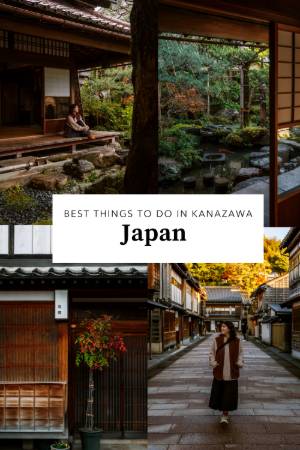
What Is Kanazawa?


Kanazawa is the capital of Ishikawa Prefecture and sits on the Sea of Japan coast, about 2.5 hours from Tokyo or Kyoto by bullet train. During the Edo period (1603-1868), Kanazawa was one of the wealthiest cities in Japan, ruled by the powerful Maeda clan. That wealth funded the arts, crafts, and cultural development that still define the city today.
The city has four well-preserved geisha districts, a long history as a center for Japanese arts and craftsmanship, some of the most beautiful gardens in the country, and temples that rival anything you'll find in Kyoto.
If you're looking to add a destination to your Japan itinerary that feels special without feeling overwhelming, Kanazawa should be at the top of your list.
We stayed here for 4 nights in November, after spending a similar amount of time in Kyoto. Having experienced both cities back-to-back, I can say with confidence that if you liked your time in Kyoto, you would love Kanazawa too. It offers a lot of the same stuff: the temples, the historic architecture, the cultural richness, the sense of stepping into old Japan. A key difference is the crowds! The crowds are much smaller here, especially in November, and a lot of people visit as a day trip, so timing things early and late make a big difference. This is especially nice for photographers if you like getting shots without 100 other tourists in frame.
)
Location Map
All locations mentioned in this blog are pinned here so you can visualize your trip!What Makes Kanazawa Special?

- Preserved History: The city was spared from World War II bombings, so its historic districts, temples, and traditional buildings are original, not reconstructions
- Traditional Crafts: Kanazawa is famous for gold leaf production (99% of Japan's gold leaf comes from here), Kutani porcelain, and Kaga yuzen silk dyeing
- Geisha Culture: Four historic geisha districts where geisha culture is still alive and practiced
- Kenrokuen Garden: Consistently ranked as one of the top three gardens in Japan
- Seafood: Proximity to the Sea of Japan means incredibly fresh seafood, especially in winter
- Manageable Size: You can explore the main sights in 1-2 days without feeling rushed
Best Things to Do in Kanazawa

1. Explore Higashi Chaya District


Higashi Chaya is Kanazawa's most famous geisha district, and it feels like stepping back in time. The narrow streets are lined with beautifully preserved two-story wooden buildings called chaya (teahouses), where geisha once entertained wealthy merchants and samurai.
Today, many of these buildings have been converted into cafes, restaurants, craft shops, and galleries, but the atmosphere remains intact. You'll see latticed windows, traditional facades, and lanterns glowing softly in the evening.
What to Do:
- Wander the main street and side alleys
- Visit Shima Teahouse, a preserved geisha house you can tour (¥500 or $3 USD)
- Stop for tea and wagashi (traditional sweets) at a historic teahouse
- Browse shops selling gold leaf products, Kutani ceramics, and sake
Best Time to Visit: Early morning (8-9 AM) before the day-trippers arrive, or early evening when the lanterns are lit.
Pro Tip: Don't just stick to the main street. The side alleys are quieter and just as atmospheric.
Vibe: Atmospheric, romantic, photogenic. Feels like a film set.
2. Wander Nagamachi Samurai District


Nagamachi is the former samurai district of Kanazawa, where middle-class and upper-class samurai lived during the Edo period. The neighbourhood has preserved earthen walls, narrow lanes, and traditional gates that give you a sense of what life was like for the samurai class.
Several samurai houses are open to the public, including the Nomura Samurai House, which features a beautiful private garden and traditional interiors.
This ended up being an unexpected highlight of our time here. The house itself is an interesting example of Japanese carpentry with its iconic attention to detail and centuries-old techniques that leave every nail invisible. The garden has a serene atmosphere that is straight out of a Ghibli movie, and the real surprise was the tea room. We wandered up to the top floor, where a woman offered us a Matcha. Obviously, we couldn't say no. She brought the tea out in traditional bowls, and we sat on the mats on the floor and sipped the Matcha while we looked out the window down into the garden. It was completely unplanned and felt like we'd been transported back in time.


What to Do:
- Walk the atmospheric streets and alleys
- Visit Nomura Samurai House (¥550 or $3.50 USD)
- Explore the Nagamachi Yuzenkan to learn about Kaga yuzen silk dyeing
Best Time to Visit: Afternoon, after visiting Kenrokuen and the castle
Pro Tip: In winter, the earthen walls are covered with straw mats (komogake) to protect them from snow and ice, which adds to the historic atmosphere.
Vibe: Quiet, historic, contemplative. Less touristy than the geisha districts.
3. Stroll Through Kenrokuen Garden
Kenrokuen is one of the Three Great Gardens of Japan, and it lives up to the hype. It's a sprawling landscape garden that showcases the six attributes of a perfect garden according to Chinese landscape theory: spaciousness, seclusion, artifice, antiquity, water features, and panoramic views.
The garden changes dramatically with the seasons. In spring, cherry blossoms and plum blossoms bloom. In summer, the ponds are filled with irises and lotus flowers. In the fall, the maple trees turn brilliant shades of red and orange. In winter, the gardeners install yukitsuri (conical rope structures that protect tree branches from heavy snow), which creates a uniquely beautiful winter landscape.
What to Expect:
- Expansive ponds, streams, and waterfalls
- Stone lanterns, bridges, and teahouses
- Meticulously maintained trees and landscapes
- Seasonal flowers and foliage
Entry Fee: ¥320 ($2 USD)
Best Time to Visit: Early morning for fewer crowds, or visit during seasonal highlights (cherry blossoms in April, fall colours in November, yukitsuri from November to March)
Pro Tip: Enter through the Katsurazaka Gate (less crowded than the main entrance) and work your way through the garden counterclockwise.
Vibe: Peaceful, meticulously beautiful, calming.
4. Visit Kanazawa Castle Park


Right next to Kenrokuen, Kanazawa Castle was the seat of the powerful Maeda clan for nearly 300 years. Much of the original castle was destroyed by fire, but several structures have been reconstructed, and the castle grounds are now a spacious public park.
The park is lovely for a stroll, and the castle buildings are impressive examples of traditional Japanese architecture. The Ishikawa-mon Gate, one of the few original structures, is particularly beautiful.
Entry Fee: Free to walk the grounds; ¥320 ($2 USD) to enter the castle buildings.
Best Time to Visit: Visit anytime during daylight hours and combine this with a visit to Kenrokuen (they're right next to each other).
Pro Tip: The park is especially beautiful during cherry blossom season when the grounds are filled with blooming sakura trees.
Vibe: Spacious, historic, peaceful. A nice complement to the more manicured Kenrokuen.
5. Discover Nishi Chaya and Kazuemachi Chaya Districts


While Higashi Chaya gets most of the attention, Kanazawa has three other geisha districts that are just as beautiful and far less crowded.
Nishi Chaya: Smaller and quieter than Higashi Chaya, with a more residential feel. There are fewer shops and cafes, but the streets are just as photogenic.
Kazuemachi Chaya: The smallest and most off-the-beaten-path district, located along the Asano River. It's incredibly atmospheric, especially at dusk when the lanterns reflect on the water.
Utatsuyama Chaya: The fourth district, located on the slopes of Mount Utatsuyama. It's less accessible and mostly residential, but worth exploring if you have extra time.
Vibe: Peaceful, local, underrated. Perfect for travellers who want to escape the crowds.
6. Browse Omicho Market
Omicho Market has been Kanazawa's main food market for nearly 300 years. It's a lively, covered market with over 170 stalls selling fresh seafood, produce, local specialties, and prepared foods.
Kanazawa is famous for its seafood, thanks to its proximity to the Sea of Japan. Winter is peak season for snow crab, sweet shrimp, and yellowtail, but the market is worth visiting year-round.
If you want to make the most of your visit, book onto a short walking tour to get a local insight into what to order.
What to Try:
- Fresh sashimi bowls (kaisendon) piled high with seasonal fish
- Grilled seafood skewers
- Local specialties like jibuni (duck and vegetable stew) and kaburazushi (fermented turnip and yellowtail)
Best Time to Visit: Morning, when the market is busiest and the seafood is freshest
Pro Tip: Grab a kaisendon for lunch from one of the market stalls. It's cheap, delicious, and ridiculously fresh.
Vibe: Lively, delicious, authentic. A great glimpse into local food culture.
7. Visit Oyama Shrine


Oyama Shrine is a serene shrine near Castle Park. This is a great place to see while you're in the area and an awesome photo spot. It's rarely busy, and it's incredibly photogenic. If you weren't able to get all the shots you wanted in the Kyoto crowds, add this on to your castle visit and bring your camera.
The shrine is dedicated to Maeda Toshiie, the founder of the Maeda clan that ruled the region for nearly 300 years. The shrine itself is peaceful and understated. One of the main attractions is the striking three-story gate at the entrance. It was built in 1875, and the gate is an unusual fusion of Japanese, Chinese, and European architectural styles.
The other cool part (my personal favourite) is the grounds. There are short walking paths that take you through the curated gardens and carefully designed waterways. We visited on a rainy day, and it felt surreal strolling through the garden paths in the light rain. When it started raining harder, we took shelter under the shrine's roof and watched the garden through the rain. It was actually the perfect peaceful reset we needed.
The shrine grounds are compact and can be explored in 20-30 minutes, making it an easy stop if you're already walking between Kenrokuen Garden and the Nagamachi samurai district.
It's not a major destination on its own, but the distinctive gate, the shrine's historical significance, and the wonderful garden make it a worthwhile detour, especially since it's rarely crowded and there's no admission fee.
Admission: Free
Best Time to Visit: Great anytime.
Pro Tip: Visit before or after your trip to Castle Park.
Vibe: Serene and contemplative
8. Visit the 21st Century Museum of Contemporary Art
If you need a break from traditional Japan, the 21st Century Museum of Contemporary Art is a sleek, modern space featuring rotating exhibitions of contemporary art from Japan and around the world.
The museum's most famous installation is Leandro Erlich's Swimming Pool, an optical illusion that makes it look like people are standing underwater in a pool. It's interactive, fun, and very Instagrammable.
Entry Fee: Free to enter the public spaces; ¥450 ($3 USD) for the exhibition zones.
Best For: Art lovers, rainy days, and anyone who wants something different from temples and gardens.
Vibe: Modern, playful, thought-provoking.
9. Learn About Gold Leaf at Hakuza Sakuda
Kanazawa produces 99% of Japan's gold leaf, and you can learn about the painstaking process at Hakuza Sakuda, a workshop and shop in the Higashi Chaya district.
You can watch artisans at work, learn about the history of gold leaf production, and even try your hand at gold leaf application in a hands-on workshop.
What to Buy:
- Gold leaf-covered sweets and snacks
- Gold leaf cosmetics
- Gold leaf craft supplies
- Decorative gold leaf items
Pro Tip: Gold leaf ice cream is a thing in Kanazawa. You can find it at shops around Higashi Chaya. It's touristy, but it's fun to try once.
Vibe: Educational, unique, quintessentially Kanazawa.
Where to Eat in Kanazawa


Kanazawa's food scene is a major draw, especially if you love seafood. The city is known for fresh fish, traditional kaiseki (multi-course) dining, and local specialties that you won't find anywhere else.
Omicho Market Stalls
The best place for fresh sashimi bowls and grilled seafood. Cheap, delicious, and authentic. Best For: Lunch, seafood lovers, budget meals
Fumuroya Café
A historic cafe in Higashi Chaya serving traditional sweets and matcha in a beautifully preserved building.
Best For: Afternoon tea, traditional sweets, atmosphere
Mori Mori Sushi
A popular conveyor belt sushi chain with incredibly fresh fish. The quality rivals sit-down sushi restaurants at a fraction of the price.
Best For: Sushi lovers, casual dining, great value
Kanazawa Maimon Sushi
Another excellent sushi spot, known for seasonal ingredients and generous portions.
Best For: Fresh seafood, local specialties
Jibuni Restaurants
Jibuni is a traditional Kanazawa dish made with duck, vegetables, and a rich broth. Many restaurants around the city specialize in it.
Best For: Traditional Kanazawa cuisine, warming winter meals
Curio Espresso and Vintage Design
A stylish cafe with excellent coffee, pastries, and a vintage design aesthetic. A nice break from traditional Japanese food.
Best For: Coffee lovers, Western-style breakfast, trendy vibes
How to Get to Kanazawa
Kanazawa is well-connected to Japan's major cities via the Hokuriku Shinkansen, which opened in 2015 and made the city much more accessible.
From Tokyo
Train: Hokuriku Shinkansen from Tokyo Station to Kanazawa Station (about 3 hours, ¥17,410 or $112 USD)
Covered by: JR Pass
Frequency: Multiple departures per hour
From Kyoto
Train: Thunderbird Limited Express from Kyoto Station to Kanazawa Station (about 2 hours and 15 minutes, ¥7,000 or $45 USD)
Not covered by: JR Pass (operated by JR West, but it's a limited express that requires a surcharge)
Frequency: About once per hour
From Osaka
Train:Thunderbird Limited Express from Osaka Station to Kanazawa Station (about 2 hours and 40 minutes, ¥8,000 or $50 USD)
Not covered by: JR Pass
Frequency: About once per hour
By Air
Komatsu Airport is about 40 minutes from Kanazawa by bus (¥1,300 or $8 USD). There are domestic flights from Tokyo, Osaka, and other major Japanese cities, as well as some international connections.
If you have a JR Pass, the Shinkansen from Tokyo is the easiest and most scenic route. If you're coming from Kyoto or Osaka without a JR Pass, the Thunderbird is still comfortable and efficient, just not covered by the pass.
Getting Around Kanazawa


Kanazawa is a compact city, and most of the main sights are walkable or accessible via a short bus ride. The city has an excellent loop bus system designed specifically for tourists.
Loop Bus
The Kanazawa Loop Bus (also called the Kenrokuen Shuttle) connects all the major tourist sites in a convenient circuit. Buses run every 15 minutes, and a single ride costs ¥200 ($1.30 USD).
Day Pass: ¥600 ($4 USD) for unlimited rides. This is worth it if you're visiting multiple sites in one day and want the freedom to be able to pop back to your hotel on a whim.
Walking
The historic districts (geisha districts and samurai quarters) are all within walking distance of each other. If your hotel is central, you can easily walk between Kenrokuen Garden, Kanazawa Castle, and the geisha districts in 20-30 minutes.
Bike Rental
Kanazawa has a bike-sharing system called Machinori, with rental stations all over the city. It's cheap (¥200 per day) and fun if you want to explore at your own pace. The city is flat and bike-friendly.
Taxis
Available but not necessary unless you're travelling with heavy luggage or going outside the main tourist areas.
Where to Stay in Kanazawa
Most visitors stay near Kanazawa Station or in the central area between Kenrokuen and the geisha districts. Both spots make it easy to reach the main sights.
Top-rated central pick:

Hotel Kanazawa Zoushi
Hotel Kanazawa Zoushi features an exceptional 9.7 location rating with family rooms offering air-conditioning, private bathrooms with bidets, hypoallergenic bedding, and work desks. Select rooms have tatami or parquet floors with seating areas. Complimentary Asian breakfast includes local specialties. Less than 1 kilometre to Kanazawa Station, 4-minute walk to Saifuku-ji Temple, 17 minutes to Kanazawa Castle, 2 kilometres to Kenrokuen Garden.Check AvailabilityGood standard hotels near Kanazawa Station:

Daiwa Roynet Hotel KANAZAWA-MIYABI
Daiwa Roynet Hotel KANAZAWA-MIYABI offers modern family rooms with air-conditioning, private bathrooms with bidets, baths, refrigerators, work desks, TVs, and free WiFi with a 9.0 location rating. Just 5 minutes from Kanazawa Station, less than 1 kilometre to Hosho-ji Temple, and 3 kilometres to Kanazawa Castle. Features lounge, public bath, lift, 24-hour front desk, housekeeping, full-day security, and luggage storage. Paid on-site parking is available. Check Availability
Daiwa Roynet Hotel Kanazawa Eki Nishiguchi
Daiwa Roynet Hotel Kanazawa Eki Nishiguchi features soundproofed air-conditioned rooms with work desks and TVs. They've earned an excellent 9.3 location rating, being just 2 minutes from Kanazawa Station, 2.8 kilometres from Kenrokuen Garden and Kanazawa Castle. Modern Italian restaurant serves lunch and dinner. Highly praised buffet breakfast includes warm dishes and fresh fruits. Terrace, lounge, 24-hour front desk, and luggage storage available.Check AvailabilityBudget-friendly hostel:

Blue Hour Kanazawa
Blue Hour Kanazawa is just 3 minutes from Kanazawa Station with an excellent 9.4 location rating. Early 10:00 AM check-in with luggage storage allows full-day exploration. Ten-minute walk to historic Omi-cho Market and Kenrokuen Garden, 20 minutes by bus to Kanazawa Castle. Female-only floor available. Shared lounge with English-speaking staff. Two hours thirty minutes to Kyoto, 75 minutes to UNESCO Shirakawa-go villages, 2 hours to Takayama. Check AvailabilitySolid mid-range options near Kenrokuen / Katamachi

Kaname Inn Tatemachi
Kaname Inn Tatemachi boasts an exceptional 9.6 location rating in central Kanazawa. Just 350 meters to the 21st Century Museum, 700 meters to Myoryu-ji Ninja Temple, 800 meters to Kenrokuen Garden, and 1.1 kilometres to Kanazawa Castle. Spacious rooms feature kettles, fridges, slippers, bathrobes, and toiletries. Selectors most evenings. 24-hour staff assistance. Near Omicho Market and Seisonkaku Villa. Perfect blend of culture and comfort.Check Availability
Hotel Amanek Kanazawa
Hotel Amanek Kanazawa offers modern family rooms with air-conditioning, bidets, tea/coffee makers, fridges, kettles, and complete amenities with a 9.1 location rating. On-site restaurant serves Japanese and European cuisine. Features a fitness center, lounge, and public bath. Less than 1 kilometre to Myoryuji Ninja Temple and Kenrokuen Garden, 16-minute walk to Kanazawa Castle, 2 kilometres to Kanazawa Station. Bike hire and 24-hour front desk available. Check AvailabilityRyokan (traditional Inns)

Ryokan Karasawa
Ryokan Karasawa offers traditional Japanese accommodations in Kanazawa with air-conditioned family rooms featuring private bathrooms and garden views. Select rooms include baths, yukata robes, and tatami floors. Relaxing facilities include a lounge, public bath, and peaceful garden. Free WiFi and on-site private parking available. Twelve-minute walk to Aeon Town Kanazawa Shimeno. Five kilometers to Kenrokuen Garden and Kanazawa Castle. Check Availability
Motoyu Ishiya
Motoyu Ishiya is a historic 200-year-old ryokan featuring classic architecture, an original Noh stage, and mountain gardens with an 8.3 location rating. Twenty minutes to Kanazawa Castle, Higashi-Chaya, and Omi-cho Market. Luxurious tatami rooms offer futon bedding, air-conditioning, flat-screen TVs, fridges, and yukata robes. Indoor and outdoor hot-spring baths are available. Seasonal cuisine: Kaga vegetables, Nanao Bay seafood, and Jibuni duck hot pot. Check AvailabilityBest Time to Visit Kanazawa


Spring (March to May)
Cherry blossoms bloom in April, and the weather is mild and pleasant. Kenrokuen is stunning during this season.
Pros: Cherry blossoms, comfortable weather, beautiful gardens
Cons: Busier than other seasons, higher accommodation prices
Summer (June to August)
Warm and humid. Fewer tourists, but the heat can be intense.
Pros: Fewer crowds, lush greenery
Cons: Hot and humid
Fall (October to November)
Peak season for fall foliage. The gardens and temples are spectacular, and the weather is perfect.
Pros: Stunning autumn colours, comfortable weather, great food season
Cons: Busier, especially on weekends
Winter (December to February)
Cold and snowy, but incredibly beautiful. The yukitsuri in Kenrokuen is a must-see, and winter is the prime season for fresh seafood like snow crab.
Pros: Yukitsuri in Kenrokuen, fresh winter seafood, fewer crowds, peaceful atmosphere
Cons: Cold, some outdoor activities are less appealing
How Long to Spend in Kanazawa
1 Day: You can hit the main highlights (Kenrokuen, Kanazawa Castle, Higashi Chaya, Omicho Market) in one day, but it'll be rushed.
2 Days: The sweet spot. Enough time to explore the main sights without rushing, plus visit one of the quieter geisha districts and browse the craft shops.
3 Days: Ideal if you want to take day trips to nearby destinations like Shirakawa-go or the Noto Peninsula, or if you just want to explore Kanazawa at a leisurely pace.
Day Trips from Kanazawa


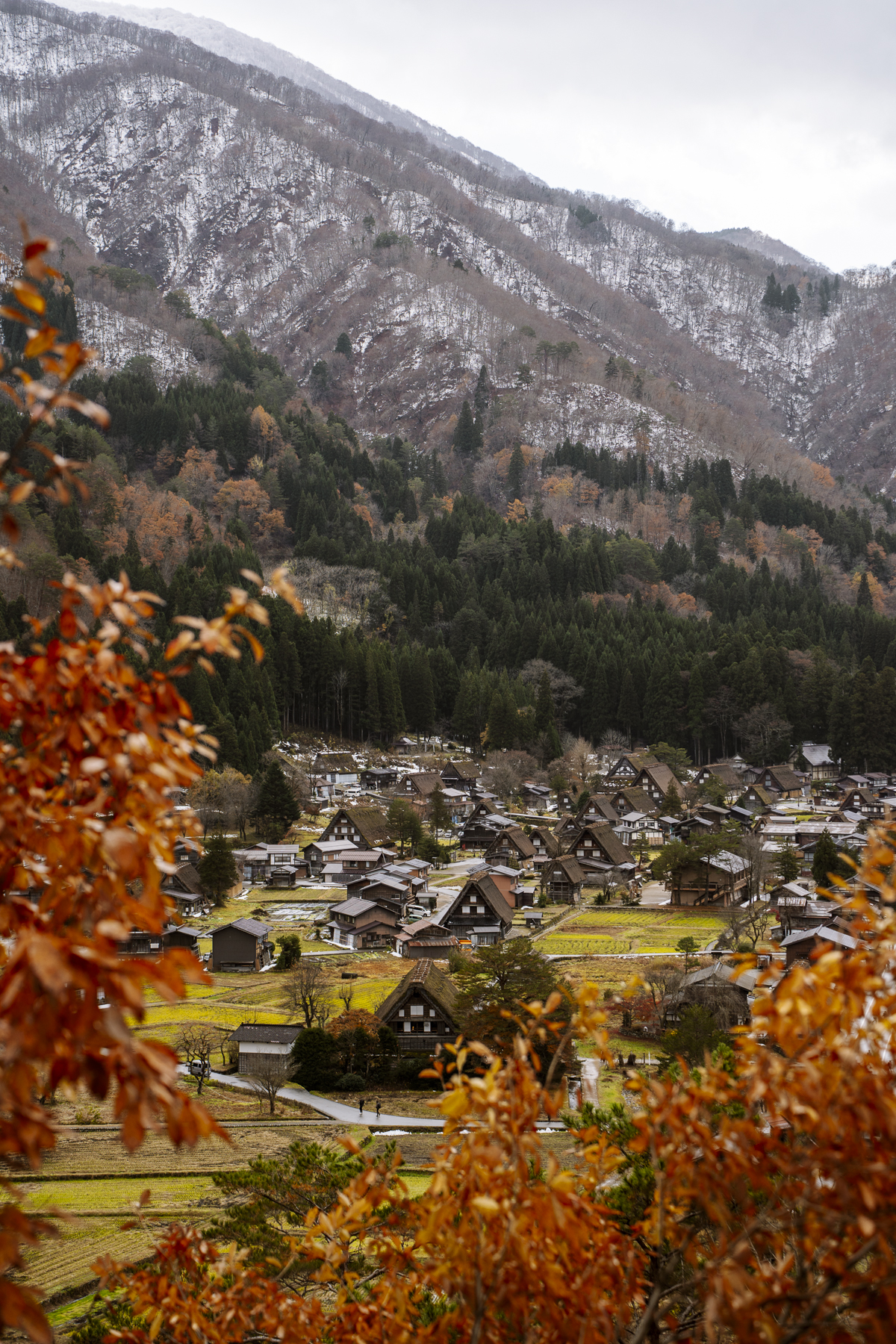
Shirakawa-go
A UNESCO World Heritage village famous for its gassho-zukuri farmhouses (steep thatched roofs designed to withstand heavy snow). It looks like a fairy tale, especially in winter.
Distance: About 1.5 hours by bus
Best For: Traditional architecture, scenic villages, photography
Noto Peninsula
A rural peninsula north of Kanazawa with coastal scenery, hot springs, and traditional fishing villages.
Distance: 1-2 hours by train or bus
Best For: Nature lovers, off-the-beaten-path exploration
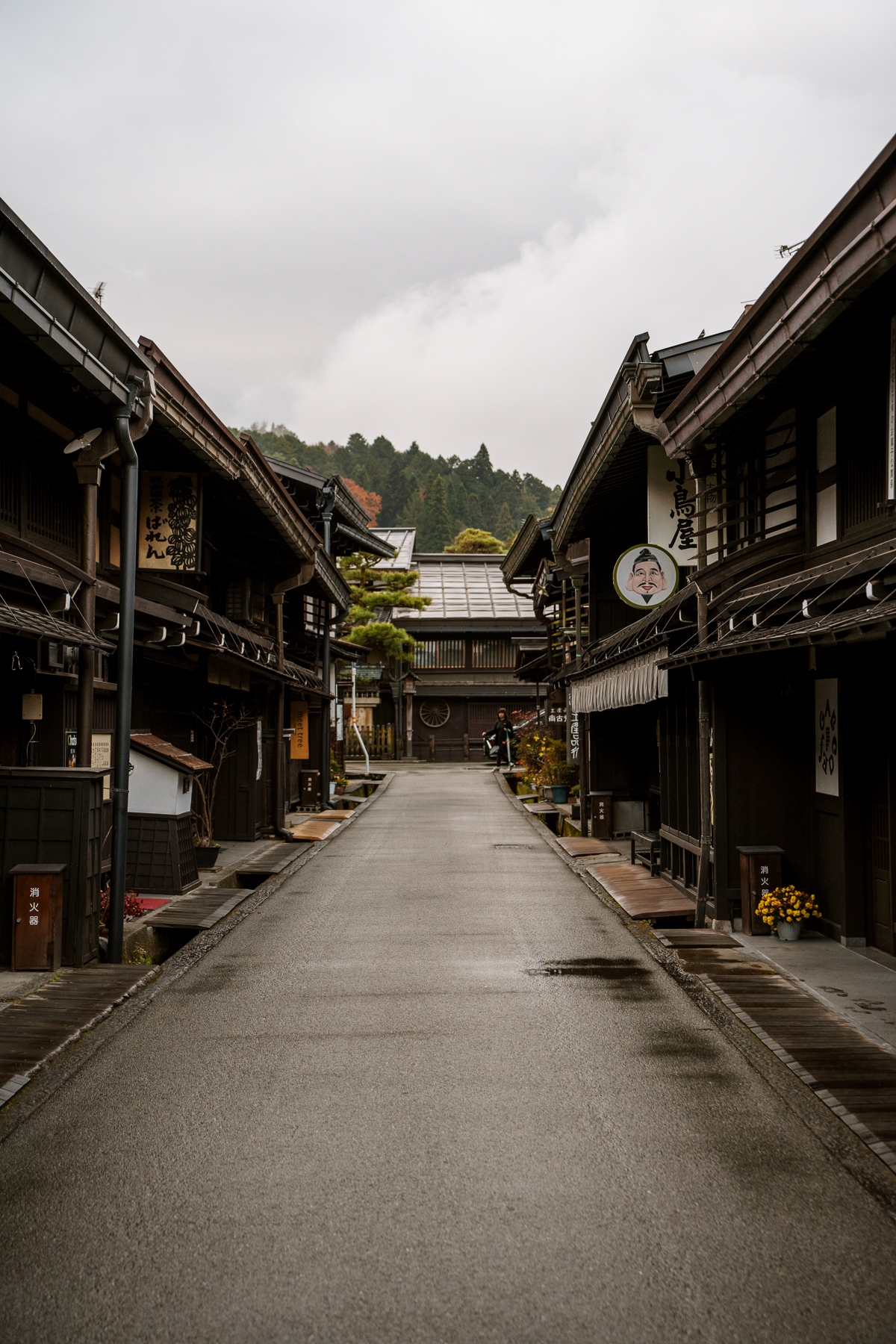
Takayama
A charming mountain town with preserved Edo-period streets and a famous morning market.
Distance: About 2 hours by train
Best For: Traditional towns, mountain scenery, sake breweries
Final Thoughts
Kanazawa is what Kyoto used to be. It's rich in history, culture, and beauty, but not yet overwhelmed by mass tourism. It's a city where you can wander geisha districts without being stuck in a crowd, admire world-class gardens without fighting for photos, and experience traditional Japanese crafts without feeling like you're in a theme park.
If you're planning a trip to Japan and want to see historic, cultural Japan without the chaos of Kyoto's peak tourist zones, add Kanazawa to your itinerary. You won't regret it.
FAQ
Is Kanazawa worth visiting?
How many days do you need in Kanazawa?
What is Kanazawa famous for?
When is the best time to visit Kanazawa?
How do you get to Kanazawa from Tokyo?
Is Kanazawa a walkable city?
Where should I stay in Kanazawa?
Is Kanazawa less crowded than Kyoto?
Our Trusted Travel Partners
We only recommend products and services we personally use and trust.

SafetyWing
Travel medical insurance for nomads and remote workers
Booking.com
Find the best deals on hotels, apartments, and vacation rentals
AllTrails
Discover hiking trails with detailed maps and reviews
Surfshark
Secure VPN for safe browsing and accessing content worldwide
Get Your Guide
Find the best deals on tours and experiences
Airalo
Prepaid SIM cards for travelers
Trusted Housesitters
Find free accommodation by house and pet sitting worldwide
Wise
Send and receive money internationally with low fees* We may earn a commission when you make a purchase through our affiliate links, at no extra cost to you. We appreciate this support, which helps sustain our blog and allows us to create more content and help more great trips get planned!